Shallow Water: What a Fix Costs
Shallow water boat lift costs, dock options, and installation price ranges for low-depth waterfronts.
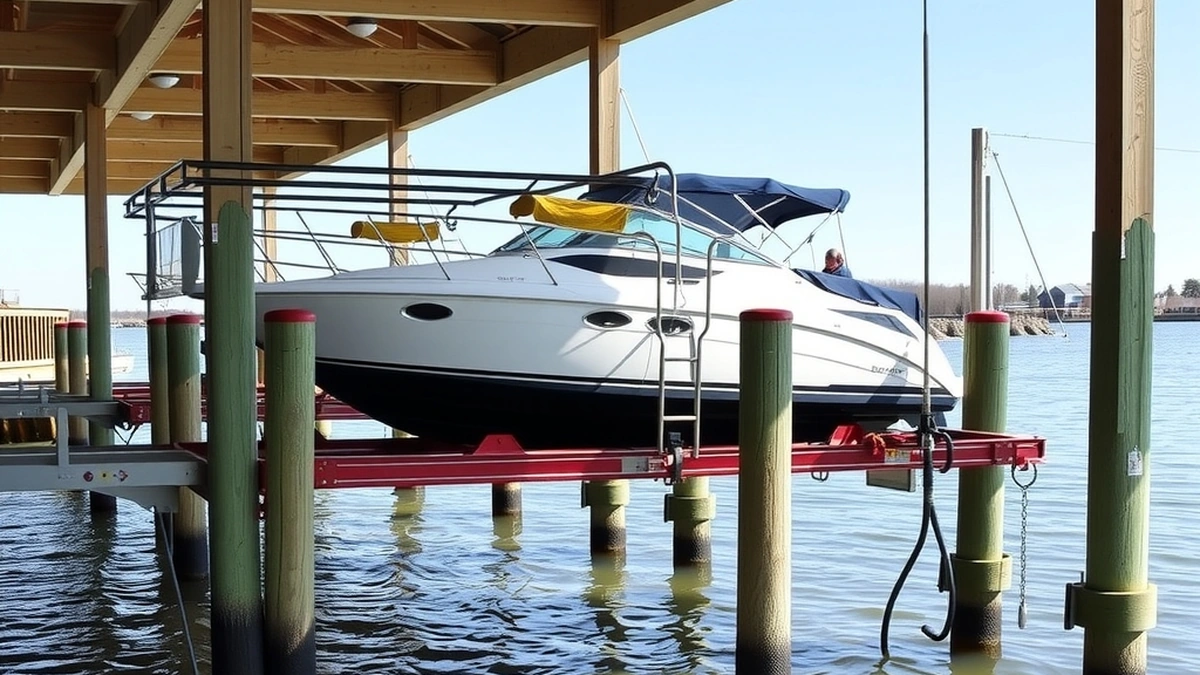
Fixing shallow water access typically costs between $1,500 and $60,000, depending on whether you need a PWC lift, cradle lift, hydraulic lift, or new dock construction.
- PWC lift
- $1,500-$5,000
- Cradle lift (4,000 lb)
- $5,000-$12,000
- Elevator lift (10,000 lb)
- $12,000-$25,000
- Hydraulic lift
- $15,000-$35,000
- Installation
- $1,000-$3,000
Some links on this page are affiliate links.If you buy through them we may earn a commission at no extra cost to you. We do not accept payment for rankings. Read the full disclosure.
Shallow water limits how close a boat can get to shore and which lift types can sit safely on the bottom. Fixing the problem usually means adding a lift made for low clearance, extending or rebuilding a dock, or both. Total project costs range from roughly $1,500 for a small personal watercraft lift to $60,000 or more for new dock construction, not including ongoing maintenance.
How Shallow Water Changes Your Options
Water depth determines whether a lift can rest on the lakebed or seabed and how far a dock must extend to reach floatable depth. In many inland lakes and coastal areas, low tide or seasonal drawdown leaves only two to four feet of water near shore. A standard lift that needs five or six feet of clearance will sit on mud or strike the bottom.
Before buying equipment, measure the depth at the lowest expected water level, not the high-water mark. Subtract the boat’s draft plus a safety margin of at least 12 inches. If the result is under four feet, your lift options narrow to shallow-water cradles, elevator models, or PWC-specific units. Deeper sites can use hydraulic lifts, but they cost more and often require more substantial mounting.
Equipment Costs by Lift Type
Prices below are equipment-only estimates. Installation is priced separately in the next section.
| Lift type | Capacity | Equipment cost (USD) |
|---|---|---|
| PWC lift | Up to 1,500 lb | $1,500-$5,000 |
| Cradle lift | 4,000 lb | $5,000-$12,000 |
| Elevator lift | 10,000 lb | $12,000-$25,000 |
| Hydraulic lift | Varies | $15,000-$35,000 |
A PWC lift is the least expensive way to get a small craft off the bottom in shallow water. A 4,000-pound cradle lift fits many runabouts and small bowriders. Elevator lifts handle heavier boats up to 10,000 pounds and work well when vertical clearance is limited. Hydraulic lifts sit at the top of the range and are often chosen for larger vessels or sites where pilings must support significant weight.
To size a lift, add the boat’s dry weight to fuel, gear, and water. A 3,500-pound boat with 400 pounds of fuel and equipment needs a lift rated for at least 3,900 pounds, which makes a 4,000-pound cradle lift the minimum appropriate choice. Buying a lift rated exactly at the boat’s weight leaves no margin for passengers or cargo.
Installation Adds $1,000 to $3,000
Professional installation typically costs $1,000 to $3,000, depending on site access, bottom conditions, and whether electrical work is needed. A simple cradle lift on firm sand takes less time than a hydraulic lift that requires piling brackets or a concrete pad.
If the bottom is soft mud, installers may need mud mats or wider footings to prevent sinking. That labor is included in the installation estimate, but extensive site prep can push costs higher. Electrical hookups for motorized lifts add material and labor, especially if the nearest power source is far from the water.
For a full cost picture, see our guide on how much does a boat lift cost and the breakdown in boat lift installation.
Dock Construction Can Be the Largest Expense
When shallow water makes a lift impractical close to shore, the fix often means building or extending a dock until the water is deep enough. Dock construction runs $15,000 to $60,000, depending on length, materials, piling depth, and local labor rates.
A 20-foot dock extension at $750 to $3,000 per linear foot falls inside that range. Wood is usually the least expensive material, while composite decking and aluminum framing cost more but require less maintenance. Pilings must reach stable soil, which may mean deeper driving in soft-bottom areas.
Dock and lift projects often overlap. You might extend a dock 30 feet to reach four feet of water, then install a cradle lift at the end. That combined project could cost $20,000 to $45,000 including equipment and installation. For context on how lifts and docks compare, read boat lift vs boat dock.
Permits and Environmental Rules
Most waterfront construction requires permits from local, state, or federal agencies. Docks, pilings, and lifts can affect navigation, water flow, and shoreline habitat, so authorities often review plans before work begins. Skipping permits can result in fines or orders to remove the structure.
The U.S. Environmental Protection Agency regulates discharges and wetlands impacts that may apply to in-water work. The National Association of Certified Home Inspectors publishes guidance on residential dock and lift condition that can help you evaluate existing structures. Check with your city or county building department and state natural resources agency before signing contracts.
Repair Versus Replacement
If you already have a lift that struggles in shallow water, repair may cost less than replacement. Common fixes include replacing cables, bunks, motors, or worn pulleys. Repair costs vary widely by part and labor, but they often run hundreds rather than thousands of dollars.
Replacement makes sense when the frame is corroded, the capacity is too low for your current boat, or the lift cannot be adapted to the available depth. For repair guidance, see boat lift repair and boat lift maintenance.
DIY Versus Professional Install
Some PWC lifts and small cradle lifts are marketed as DIY-friendly. A handy homeowner with basic tools can save the $1,000 to $3,000 installation fee, but only if the bottom is firm, the lift is light enough to position safely, and no electrical work is required.
Larger elevator and hydraulic lifts are not DIY projects for most owners. They involve heavy components, precise leveling, and sometimes anchoring into pilings or concrete. Improper installation can drop a boat or damage a dock, so professional installation is the safer choice for anything above PWC scale. If you want to explore self-install limits, see diy boat lift.
Sample Project Scenarios
These examples show how costs add up. All figures are estimates.
Scenario 1: PWC in three feet of water
- PWC lift: $1,500-$5,000
- Installation: $1,000-$3,000
- Total: $2,500-$8,000
Scenario 2: 4,000-pound boat with existing dock
- Cradle lift: $5,000-$12,000
- Installation: $1,000-$3,000
- Total: $6,000-$15,000
Scenario 3: 10,000-pound boat, new dock extension
- Elevator lift: $12,000-$25,000
- Dock extension (20 feet): $15,000-$60,000
- Installation: $1,000-$3,000
- Total: $28,000-$88,000
Scenario 4: Large boat, hydraulic lift, soft bottom
- Hydraulic lift: $15,000-$35,000
- Installation with mud mats: $3,000 (top of range)
- Total: $18,000-$38,000
Maintenance Keeps the Fix Working
Lifts in shallow water face more exposure to mud, sand, and fluctuating water levels. Rinse the unit after use in saltwater, inspect cables and bunks each season, and lubricate moving parts according to the manufacturer’s schedule. A well-maintained lift lasts longer and costs less over time than one that is ignored until it fails.
For routine care steps, see boat lift maintenance. If you are comparing brands or models for a new purchase, start with best boat lift. For cost metrics based on dock or platform size, see boat lift cost per square foot.
Frequently asked questions
What is the cheapest shallow water fix?
A PWC lift is the lowest-cost option, ranging from $1,500 to $5,000 before installation.
How much does installation add?
Professional installation typically adds $1,000 to $3,000 to the equipment price.
Can I build a dock in shallow water?
Yes, but dock construction ranges from $15,000 to $60,000 depending on size, materials, and site conditions.
Which lift works best for low water?
Shallow-water cradle and elevator lifts are common choices; hydraulic lifts suit deeper or more complex sites.
Do I need a permit for a dock or lift?
Many jurisdictions require permits for over-water structures; check local building and environmental rules before starting.
Where can I find repair help?
Boat Lift Lab covers boat lift repair and maintenance to help you keep existing equipment working.
Sources
Some links are affiliate links.If you buy through them we may earn a commission at no extra cost to you. We do not accept payment for rankings. Read the full disclosure.