Boat Lift Maintenance Schedule: A Seasonal Guide
Keep your boat lift running safely with a routine maintenance schedule for cables, motors, and structural parts.
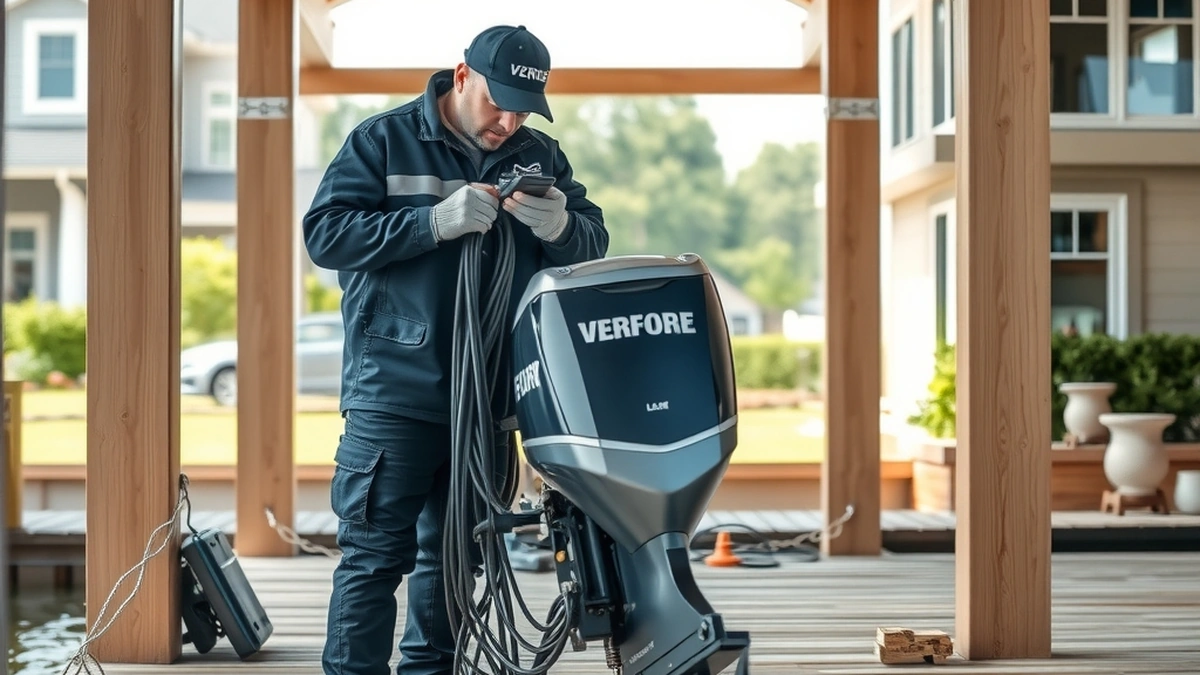
Inspect cables, lubricate moving parts, and test safety systems every 3–6 months. Flush saltwater systems monthly and schedule professional service annually.
- Visual inspection
- Every 3 months
- Lubrication
- Every 6 months
- Cable replacement
- Every 2–3 years
- Professional service
- Annually
- Saltwater rinse
- Monthly or after each use
Some links on this page are affiliate links.If you buy through them we may earn a commission at no extra cost to you. We do not accept payment for rankings. Read the full disclosure.
A boat lift maintenance schedule protects your investment and prevents dropped boats. Inspect cables, lubricate moving parts, and test safety systems every three to six months. Flush saltwater systems monthly and schedule professional service once a year.
Why a Maintenance Schedule Matters
Boat lifts sit in a harsh environment. Sun, waves, and saltwater wear down cables, motors, and metal frames faster than most owners expect. A small issue caught during a routine check costs far less than a catastrophic failure. For example, replacing a worn cable early might cost a few hundred dollars. Letting it snap can drop a boat and damage the hull, dock, and lift structure, easily running into thousands of dollars in repairs.
Consider the replacement cost of the lift itself. A cradle lift rated for 4,000 pounds typically costs $5,000–$12,000. An elevator lift for 10,000 pounds runs $12,000–$25,000. Hydraulic models range from $15,000–$35,000, and PWC lifts cost $1,500–$5,000. Spending a few hours each season on upkeep is cheap insurance for equipment that costs this much to replace.
Monthly Maintenance Tasks
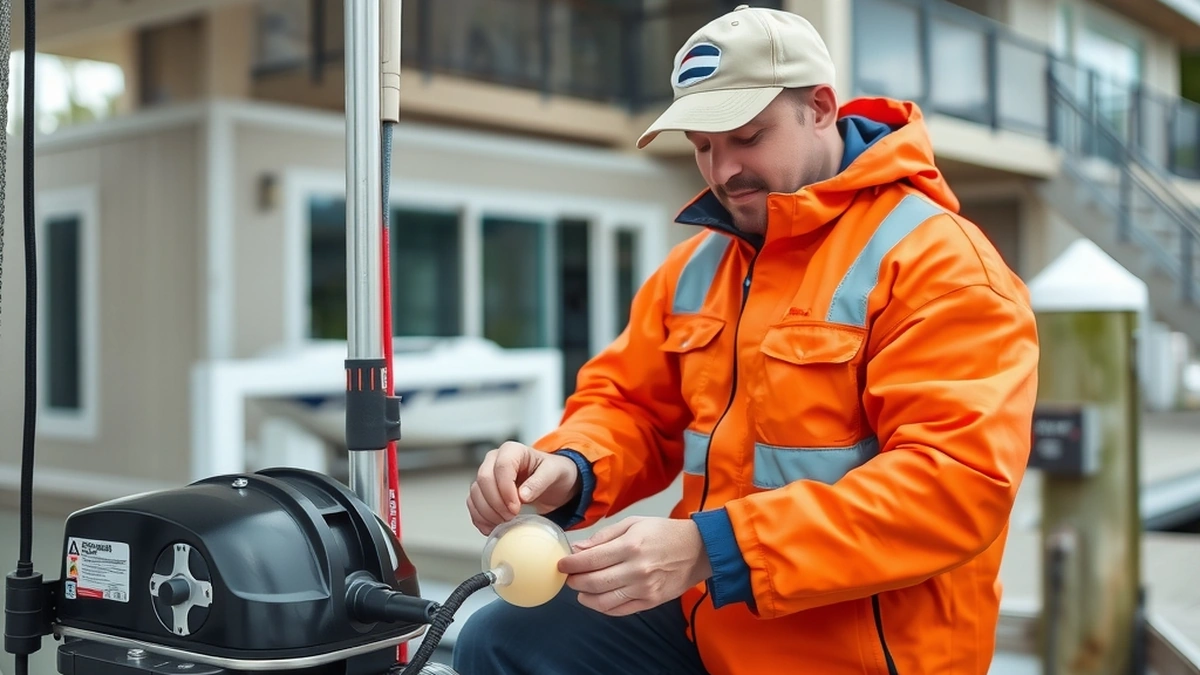
Every month, walk the dock and look at the lift. Check the cables for fraying, broken strands, or corrosion. Run the lift through a full cycle without a boat on it and listen for grinding or unusual motor noise. Look at the bunks or cradle pads for wear that could scratch the hull. Verify that limit switches stop the lift at the top and bottom positions.
If you boat in saltwater, rinse the entire lift with fresh water after every use. Salt buildup accelerates corrosion on galvanized steel and aluminum. Even in freshwater, a monthly rinse removes algae and sediment that can hold moisture against metal parts.
Quarterly Inspection Checklist
Every three months, perform a more detailed inspection. Tighten bolts and fasteners on the frame, cradle, and motor mount. Vibration from normal operation loosens hardware over time. Check the alignment of the lift so the boat sits level on the cradle. An uneven lift puts uneven stress on cables and can bend the frame.
Inspect the motor and drive system. For electric lifts, check wiring for cracks or rodent damage. For hydraulic lifts, look for fluid leaks around cylinders and hoses. Low hydraulic fluid reduces lifting capacity and can damage the pump. If your lift uses a gearbox, check the oil level and top it off according to the manufacturer’s instructions.
Test the safety systems. Verify that the emergency stop works and that the lift holds position without drifting down. A lift that slowly lowers under load may have a leaking cylinder or a worn brake.
Semiannual Lubrication and Adjustment
Twice a year, lubricate all moving parts. Apply marine-grade grease to cable sheaves, pulley bearings, and hinge points. Lubricate the screw threads on screw-drive lifts. Do not over-grease cables; excess grease traps dirt and grit, which acts like sandpaper on the wire strands.
Check cable tension. Cables stretch over time, and loose cables can slip on the drum or wind unevenly. Tighten cables according to the lift manual so they spool neatly. If a cable shows broken wires, kinks, or heavy rust, replace it immediately. Do not wait for the next scheduled inspection.
Annual Professional Service
Once a year, hire a qualified marine technician to service the lift. A professional can test motor amperage, check electrical grounding, inspect the structural welds, and replace worn components before they fail. This service typically costs a few hundred dollars, which is minor compared to the $1,000–$3,000 installation cost for a new lift or the $15,000–$60,000 cost of dock construction if a failure damages your dock.
Ask the technician to load-test the lift with your boat on it. This confirms the lift can handle its rated capacity under real conditions. If you own a 4,000-pound cradle lift, the technician should verify it lifts that weight smoothly without straining the motor or cables.
Seasonal Opening and Closing
At the start of the boating season, de-winterize the lift. Remove any protective covers, reconnect power, and run the lift through several cycles. Check that all lights and controls work. Inspect the dock pilings and mounting hardware to make sure the lift is still securely attached.
At the end of the season, clean the lift thoroughly. Remove marine growth from bunks and cradles. If you store the boat on the lift during winter, consider a lift cover to protect the motor and cables from ice and snow. In cold climates, verify that the lift can operate in freezing temperatures or plan to store the boat elsewhere.
Common Problems and What They Mean
Grinding noises usually indicate dry bearings or a misaligned cable. Slow lifting speed often means low voltage, a weak battery, or a worn motor. A lift that drifts down under load likely has a leaking hydraulic cylinder or a worn brake. Rust on cables is not just cosmetic; it reduces the breaking strength of the wire.
If you notice any of these issues, schedule repairs promptly. Minor fixes are affordable. Major failures can require replacing the entire lift or repairing dock damage. For more on repair options, see our guide to boat lift repair.
Maintenance Costs Versus Replacement Costs
Routine maintenance is inexpensive. Grease, cleaning supplies, and replacement cables cost a few hundred dollars per year. Professional annual service adds a similar amount. Compare that to replacement costs. A new 4,000-pound cradle lift costs $5,000–$12,000. A 10,000-pound elevator lift costs $12,000–$25,000. Installation adds $1,000–$3,000. Even a PWC lift costs $1,500–$5,000.
Spending $500–$1,000 annually on maintenance extends the life of equipment worth tens of thousands of dollars. It also protects your boat, which is likely worth far more than the lift itself. For help choosing a lift if replacement becomes necessary, see our best boat lift roundup.
Keep Records
Maintain a log of every inspection, lubrication, and repair. Note the date, what you checked, and any parts replaced. This record helps you spot patterns, such as cables that wear faster than expected, and it supports warranty claims if a component fails prematurely. It also makes the lift easier to sell if you upgrade your boat or dock later.
A consistent boat lift maintenance schedule takes only a few hours each season, but it prevents expensive failures and keeps your boat safe on the water. For more on lift ownership, see our articles on boat lift installation and how long does a boat lift last.
Frequently asked questions
How often should I inspect my boat lift?
Perform a visual inspection every 3 months and a full operational check at the start and end of each boating season.
When do lift cables need replacement?
Replace galvanized steel cables every 2–3 years or sooner if you see broken strands, corrosion, or stretching.
Can I do boat lift maintenance myself?
Owners can handle rinsing, lubrication, and visual checks, but electrical and structural repairs should go to a professional.
What happens if I skip maintenance?
Skipping maintenance leads to cable failure, motor burnout, and dropped boats, which can cost thousands in repairs or replacement.
Does saltwater require more maintenance?
Yes. Rinse the lift with fresh water after every use in saltwater and inspect metal parts monthly for corrosion.
How much does professional lift service cost?
Annual service typically runs a few hundred dollars, far less than replacing a 4,000 lb cradle lift priced at $5,000–$12,000.
Sources
Some links are affiliate links.If you buy through them we may earn a commission at no extra cost to you. We do not accept payment for rankings. Read the full disclosure.