How Long Does a Boat Lift Last?
Boat lift lifespan by type, materials, and maintenance, plus cost context and replacement signs.
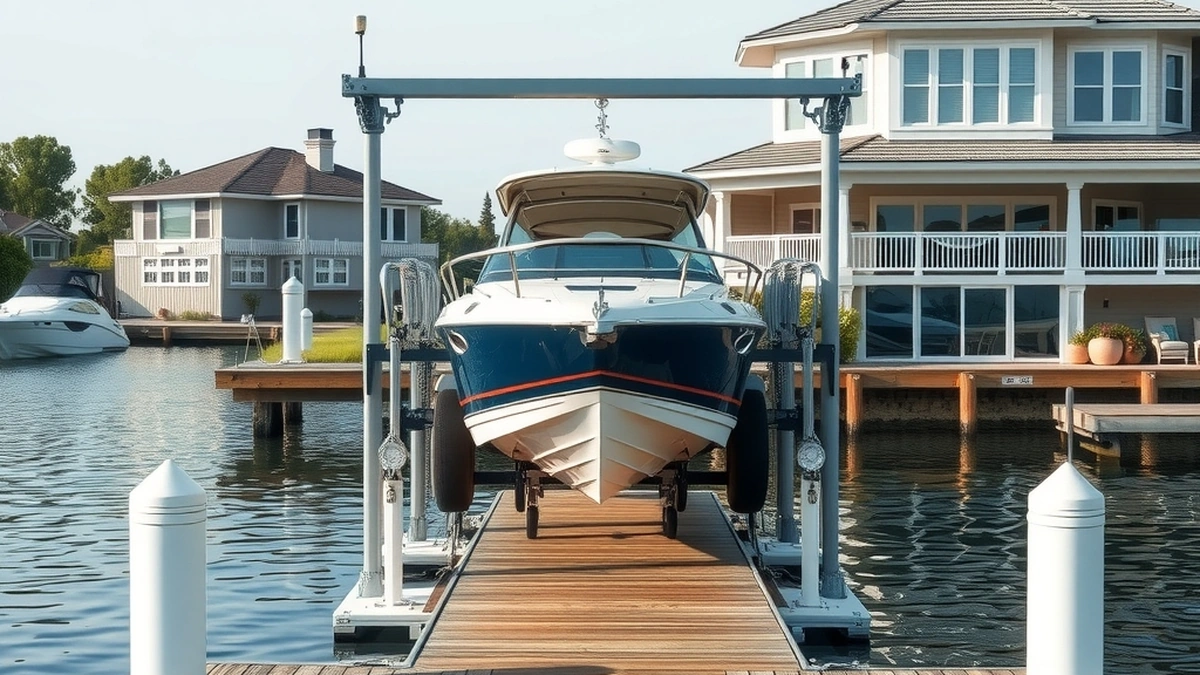
Most boat lifts last 15 to 25 years with proper maintenance, though saltwater exposure and neglected cables can cut that to 10 years or less.
- Typical lifespan
- 15–25 years
- Saltwater lifespan
- 10–15 years
- Freshwater lifespan
- 20–30 years
- Cable replacement
- Every 3–5 years
- Motor/pump service
- Every 5–7 years
Some links on this page are affiliate links.If you buy through them we may earn a commission at no extra cost to you. We do not accept payment for rankings. Read the full disclosure.
A boat lift typically lasts 15 to 25 years. In freshwater, many lifts reach 20 to 30 years with consistent care. In saltwater, expect closer to 10 to 15 years before corrosion and wear demand major repairs or replacement. The actual number depends on the lift type, materials, water conditions, and how well you maintain it.
What Determines Boat Lift Lifespan
Several factors control how long a boat lift stays in service. Water type is the biggest. Saltwater attacks metal fasteners, cables, and frames much faster than freshwater. If you boat in saltwater, rinsing the lift after use and using marine-grade coatings or stainless steel components can add years.
Capacity matters too. A lift rated for 4,000 pounds that regularly hoists a 4,500-pound boat will strain cables, motors, and structural beams. Overloading shortens lifespan and creates a safety risk. Always match the lift to your boat’s wet weight, including fuel, gear, and water in tanks.
Usage frequency plays a role. A lift used every weekend wears cables and motors faster than one used a few times per season. Storage style also matters. A lift left exposed to sun and storms degrades faster than one under a covered dock or with a canopy.
Finally, maintenance is the variable you control. Greasing bearings, inspecting cables, and servicing motors on schedule can extend life by several years. Neglecting those tasks often leads to premature failure.
Lifespan by Lift Type
Different lift designs age differently. Here is how common types compare.
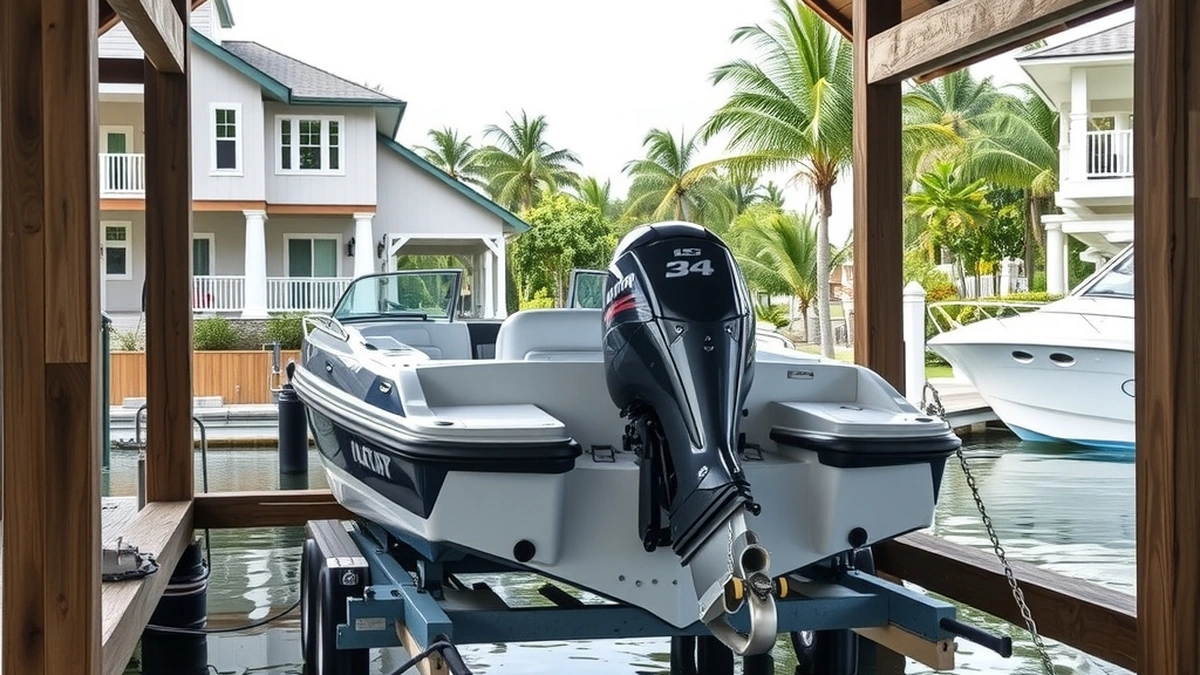
Cradle lifts are common for boats in the 4,000-pound range. A new cradle lift typically costs between $5,000 and $12,000. With routine cable replacement and frame inspection, a cradle lift can last 15 to 25 years in freshwater and 10 to 15 years in saltwater.
Elevator lifts handle heavier boats, often around 10,000 pounds. These units cost roughly $12,000 to $25,000. Because they carry more weight and use more structural steel, they are built to last, but the cables and pulleys carry higher loads and need closer attention. Expect 15 to 25 years with good maintenance.
Hydraulic lifts cost between $15,000 and $35,000. They use pumps, hoses, and seals that require periodic service. The frame can last decades, but hydraulic components often need rebuilding or replacement every 7 to 10 years. If you skip seal and fluid maintenance, the lift can fail well before the structure does.
PWC lifts are smaller and less expensive, usually $1,500 to $5,000. Because they carry lighter loads and have simpler mechanisms, they often last 10 to 15 years, though the bunks and cables still wear out and need replacement.
Installation typically adds $1,000 to $3,000. A poorly installed lift can put uneven stress on the frame and dock, shortening life regardless of the lift type.
Maintenance Schedule That Extends Life
Regular upkeep is the cheapest way to reach the upper end of a lift’s lifespan. Use this schedule as a starting point, and adjust for your local conditions.
- After every saltwater use: Rinse the lift with fresh water to remove salt residue from cables, motors, and frames.
- Monthly during season: Inspect cables for fraying, kinks, or broken strands. Check bolts and fasteners for tightness.
- Every 3 months: Lubricate cables and grease bearings and pulleys.
- Every season: Test the motor or hydraulic pump. Listen for unusual noises and check for leaks.
- Every 3 to 5 years: Replace lift cables, even if they look okay. Internal corrosion can weaken them before visible signs appear.
- Every 5 to 7 years: Service motors and hydraulic systems. Replace seals, flush fluid, and test pressure.
If you are not comfortable performing these tasks, a professional service can handle them. You can read more about ongoing care in our guide to boat lift maintenance.
Signs It Is Time to Repair or Replace
Not every issue means you need a new lift. Some problems are straightforward repairs.
Repair when:
- Cables are frayed but the frame and motor are sound.
- A motor or pump fails but the structure is solid.
- Bolts or fasteners are corroded but beams and welds are intact.
- Bunks or cradle pads are worn but the frame is fine.
Replace when:
- The main frame or I-beams show significant rust, pitting, or cracks.
- Welds are failing or structural components are bent.
- Repair costs approach a large fraction of a new lift. For example, if a new cradle lift costs $5,000 to $12,000 and a repair quote is $4,000 to $6,000 on an older unit, replacement is often the better value.
- The lift no longer meets your boat’s weight. If you upgrade from a 4,000-pound boat to a 10,000-pound boat, you need a new lift rated for the larger load, not a patch job on the old one.
If your lift is mounted on a dock that is also aging, consider the whole system. Dock construction can run from $15,000 to $60,000, so a failing lift on a sound dock is a simpler decision than replacing both at once.
Cost Context and Value
Understanding lifespan helps you budget. A lift is a long-term investment, not a seasonal purchase.
For example, if you buy a cradle lift for $8,000 (midpoint of the $5,000 to $12,000 range) and pay $2,000 for installation, your total is $10,000. If it lasts 20 years, that is $500 per year before maintenance. Add cable replacement every four years at an estimated $300 to $600, and the annual cost remains modest compared to the cost of hull damage from a failed lift.
An elevator lift at $18,000 plus $2,000 installation totals $20,000. Over 20 years, that is $1,000 per year. A hydraulic lift at $25,000 plus installation could reach $28,000, or about $1,400 per year over 20 years. These are estimates, and actual prices vary by region, dealer, and model.
If you are comparing lift types or planning a purchase, see our breakdown at how much does boat lift cost. If you are weighing a lift against a fixed dock, our article on boat lift vs boat dock covers the trade-offs.
Installation and DIY Considerations
Installation quality affects lifespan as much as the lift itself. A lift mounted to a dock that cannot support the load will shift, sag, or pull fasteners loose. Professional installation usually costs $1,000 to $3,000 and helps ensure the lift is level, properly anchored, and matched to the dock structure.
Some owners choose a DIY approach. If you go that route, follow the manufacturer’s instructions precisely, use marine-grade hardware, and verify that your dock can handle the point loads. Our guide to DIY boat lift covers what to consider before starting.
Improper installation can also void warranties and create safety hazards. If you are unsure, hire a professional. A well-installed lift costs more upfront but avoids expensive structural repairs later.
When to Call a Professional
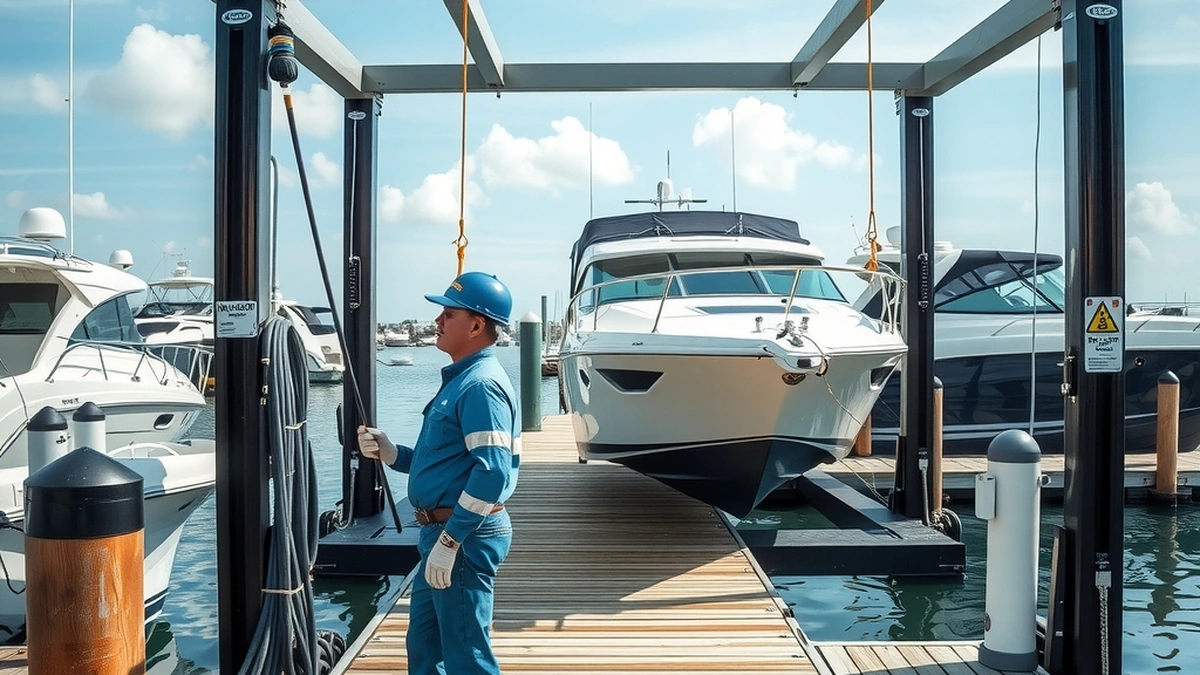
Some tasks are best left to experts. Electrical work on lift motors, hydraulic system service, and structural welding should be handled by someone with the right training and tools. If your lift stops holding position, makes grinding noises, or shows signs of frame distortion, stop using it and call a service provider.
You can also explore boat lift repair for common failure modes and what a repair visit typically involves.
Bottom Line
A boat lift lasts 15 to 25 years in freshwater and roughly 10 to 15 years in saltwater, assuming regular maintenance. Cables usually need replacement every 3 to 5 years, and motors or hydraulic systems need service every 5 to 7 years. Match the lift to your boat’s weight, rinse after saltwater use, and inspect the frame and cables each season. When the structure itself fails or repairs cost nearly as much as a new unit, replacement is the safer and more economical choice.
Frequently asked questions
How long does a boat lift last?
A well-maintained boat lift typically lasts 15 to 25 years in freshwater and 10 to 15 years in saltwater before major components need replacement.
What shortens boat lift life the most?
Saltwater corrosion, overloading beyond rated capacity, and ignoring cable or motor maintenance are the biggest factors that reduce lifespan.
How often should boat lift cables be replaced?
Lift cables should be inspected every season and replaced roughly every 3 to 5 years, or sooner if you see fraying, kinks, or corrosion.
Do hydraulic lifts last longer than cradle lifts?
Not necessarily; hydraulic lifts have more moving parts and seals to maintain, while cradle lifts are simpler but still depend on cable and frame condition.
When should I replace my boat lift?
Replace the lift when repairs cost more than a reasonable share of a new unit, or when the frame, beams, or welds show structural corrosion or cracks.
Can regular maintenance extend lift life?
Yes. Rinsing after saltwater use, lubricating cables, greasing bearings, and servicing motors can add years to the usable life of a lift.
Sources
Some links are affiliate links.If you buy through them we may earn a commission at no extra cost to you. We do not accept payment for rankings. Read the full disclosure.