boat lift repair: when it is worth it
A practical guide to deciding whether to repair or replace a boat lift, with cost comparisons and safety checks.
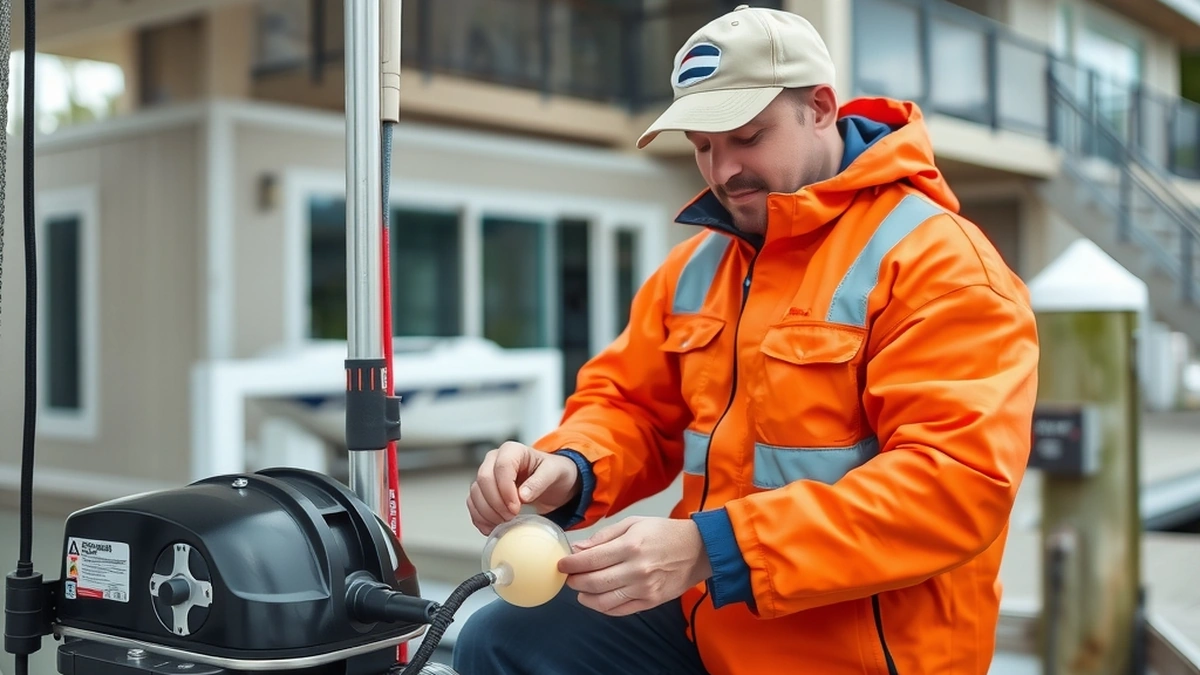
Repair when the fix costs under half of a new lift and the frame, welds, and beams are sound; replace if corrosion, structural cracks, or repeated failures dominate.
- Typical repair threshold
- Under 50% of replacement cost
- 4,000 lb cradle lift (new)
- $5,000–$12,000
- 10,000 lb elevator lift (new)
- $12,000–$25,000
- Hydraulic lift (new)
- $15,000–$35,000
- Installation (new)
- $1,000–$3,000
Some links on this page are affiliate links.If you buy through them we may earn a commission at no extra cost to you. We do not accept payment for rankings. Read the full disclosure.
Boat lift repair is worth it when the fix costs less than roughly half the price of a comparable new lift and the main structure remains sound. If the frame, welds, or beams show advanced corrosion or cracking, replacement is usually the safer and cheaper long-term choice. This guide walks through how to compare repair costs against new lift prices, what to inspect, and when to call a professional.
Assess the structure first
Before pricing any repair, inspect the lift’s load-bearing frame. Look for rust that penetrates metal, cracks at welds, bent beams, or pilings that have shifted. A lift rated for 4,000 pounds must carry the boat, fuel, water, gear, and the lift’s own cradle weight. If the structure cannot reliably hold that load, no cable or motor repair makes it safe to use.
Surface rust on a beam is often cosmetic. Flaking metal or holes through a cross-member are structural. When in doubt, have a marine contractor or dock builder evaluate the frame before spending money on parts.
Compare repair cost to replacement cost
Use replacement cost as the ceiling for repair spending. New lift prices vary by type and capacity:
- Cradle lift, 4,000 lb: $5,000–$12,000
- Elevator lift, 10,000 lb: $12,000–$25,000
- Hydraulic lift: $15,000–$35,000
- PWC lift: $1,500–$5,000
- Installation: $1,000–$3,000
If a 4,000 lb cradle lift costs $8,000 new plus $2,000 for installation, the total replacement outlay is about $10,000. Half of that is $5,000. A repair quote above $5,000 on that lift usually favors replacement, especially if the lift is more than halfway through its expected service life.
For a 10,000 lb elevator lift priced at $18,000 plus $2,500 for installation, the total is $20,500. The repair break-even point is roughly $10,250. Spending $3,000 on cables and a motor makes sense; spending $12,000 on a corroded frame does not.
These are estimates. Actual quotes depend on local labor rates, dock access, and lift brand.
Common repairs and typical costs
Some components wear out on a regular schedule and are worth replacing individually:
- Cables and pulleys: High-wear items that stretch, fray, or corrode. Replacing them restores safe operation without touching the frame.
- Motors and drives: Electric motors can burn out, and hydraulic pumps can leak. A motor swap is often far cheaper than a new lift.
- Switches and controls: Corroded relays or water-damaged control boxes cause intermittent operation and are usually inexpensive to fix.
- Bunks and guides: Worn carpet, rotten wood, or cracked guides can damage a hull but are straightforward to replace.
If a lift needs cables ($400–$900 estimated), a motor ($700–$1,500 estimated), and labor ($500–$1,000 estimated), the total might be $1,600–$3,400. On a $10,000 replacement project, that is well under the 50% threshold and often worth doing.
Repeated repairs change the math. If the same lift needed cable replacement two years ago, motor replacement last year, and now needs a gearbox, the cumulative cost may exceed the value of keeping the old lift.
Safety checks that decide repair versus replace
OSHA and NACHI guidance emphasizes that lifting equipment must be inspected regularly and removed from service when defects affect load capacity. For a boat lift, that means:
- Cable condition: No broken strands, kinks, or severe corrosion.
- Sheaves and pulleys: No wobble, cracks, or worn grooves.
- Fasteners: No missing bolts, stripped threads, or rusted-through hardware.
- Limit switches: Must stop travel at the upper and lower limits.
- Electrical: GFCI protection, sealed connections, and no exposed wiring near water.
If any of these fail on a structurally sound lift, repair is appropriate. If the frame itself fails any of these checks, replacement is the safer path.
Installation and site conditions matter
A new lift is not just the equipment price. Installation typically runs $1,000–$3,000 and may require dock modifications, piling reinforcement, or electrical work. If your dock is aging or was not built for the lift’s weight, those site costs can push a replacement project higher.
Repairing an existing lift avoids new installation fees, though a contractor may still charge for haul-out, alignment, and testing. When comparing quotes, confirm whether the estimate includes removal of old parts, disposal, and load testing after the repair.
You can review typical installation considerations in our boat lift installation guide, and see how lift pricing breaks down in our boat lift cost overview.
Maintenance extends the repair window
Regular maintenance is the biggest factor in whether a lift reaches the repair stage or skips straight to replacement. Rinse saltwater off cables and frames, lubricate sheaves, inspect electrical connections seasonally, and check cable tension according to the manufacturer’s schedule. A lift maintained this way can often reach 15 to 25 years of service before major components fail.
If you have kept up with maintenance and only one part has failed, repair is usually the logical choice. If maintenance was neglected for years and multiple systems are failing at once, replacement is more likely to be cost-effective.
When to replace instead of repair
Replace the lift when:
- The frame has structural cracks, advanced corrosion, or compromised welds.
- Repair estimates exceed half the cost of a comparable new lift including installation.
- The lift has required major repairs in two or more consecutive years.
- Capacity no longer matches your boat. Moving from a 4,000 lb cradle lift to a 10,000 lb elevator lift means buying new equipment, not repairing the old one.
- The dock itself needs major work. A $15,000–$60,000 dock construction project may be a better time to install a new lift matched to the new structure.
Replacement also brings a new warranty and current safety features, which older lifts may lack.
Get a professional inspection
For any lift over 10 years old or showing signs of structural wear, pay for a professional inspection before authorizing repairs. A marine contractor can measure cable thickness, check weld integrity, and test limit switches. That inspection fee is small compared with the cost of a dropped boat or a dock collapse.
If you decide to move forward with repair, ask for a written estimate that lists parts, labor, disposal, and testing. Compare that number to the replacement cost for your lift type, then apply the 50% rule.
Boat lift repair is worth it when the structure is sound and the bill stays under half of replacement. When the frame is compromised or repairs keep recurring, a new lift is the safer investment.
For help choosing a replacement, see our best boat lift guide, or compare lift and dock options in our boat lift versus boat dock article. Routine upkeep is covered in our boat lift maintenance guide, and expected service life is detailed in our boat lift lifespan article.
Next, compare how much does boat lift cost, boat lift installation, boat lift maintenance before you commit.
Frequently asked questions
When is boat lift repair worth it?
When the repair costs less than about half of a new lift and the main frame, welds, and beams show no serious corrosion or cracks.
What lift parts fail most often?
Cables, pulleys, motors, switches, and bunks usually wear out first and are the most common repair items.
How much does a new 4,000 lb cradle lift cost?
A new 4,000 lb cradle lift typically costs $5,000–$12,000, not including installation.
Can I repair lift cables myself?
Only if you have the right tools and safety knowledge; otherwise hire a professional because dropped boats cause serious injury and damage.
How long do boat lifts last?
Lifespan varies by material and maintenance, but well-maintained lifts often last 15–25 years before major replacement is needed.
Where can I find local help?
Ask a licensed contractor or installer who has worked with the same system and can inspect your site.
Sources
Some links are affiliate links.If you buy through them we may earn a commission at no extra cost to you. We do not accept payment for rankings. Read the full disclosure.