Boat Lift vs Boat Dock: Which One Fits Your Waterfront
Compare boat lifts and docks by cost, capacity, water depth, and maintenance to choose the right setup for your boat.
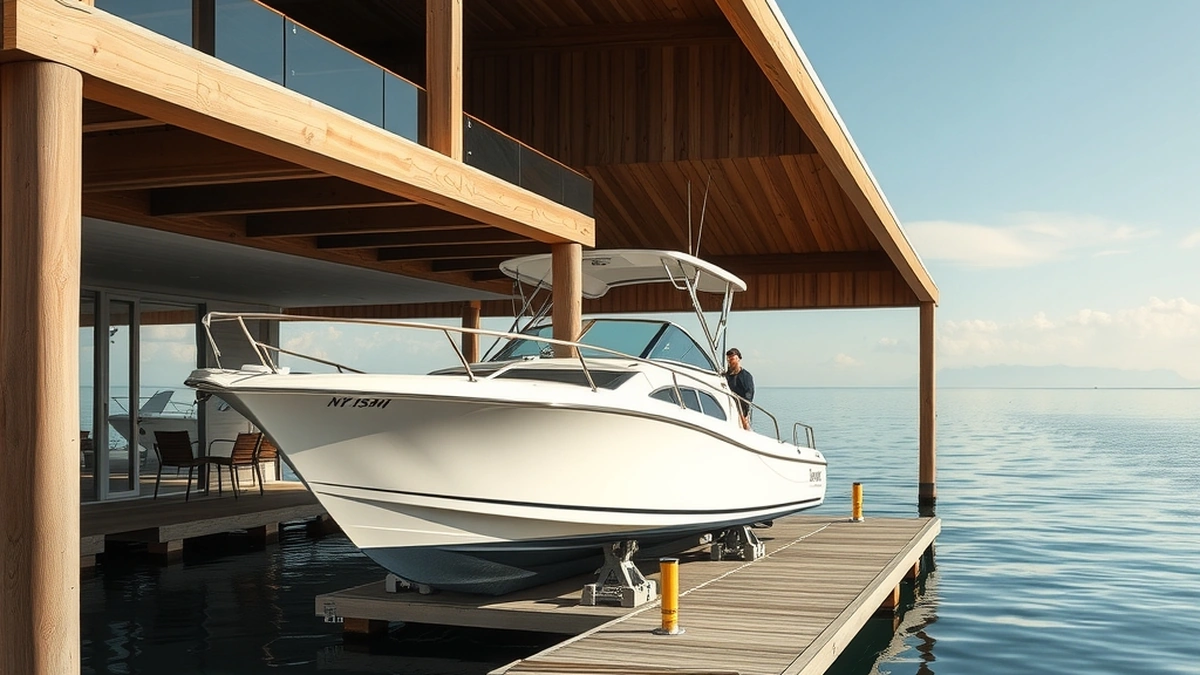
A boat lift holds your boat out of the water; a dock gives you a platform to board and tie up. Many waterfront properties use both.
- Primary purpose
- Lift stores boat above water; dock provides access platform
- Typical lift cost (4,000 lb cradle)
- $5,000–$12,000
- Typical dock construction cost
- $15,000–$60,000
- Installation cost
- $1,000–$3,000
Some links on this page are affiliate links.If you buy through them we may earn a commission at no extra cost to you. We do not accept payment for rankings. Read the full disclosure.
Boat Lift vs Boat Dock: The Core Difference
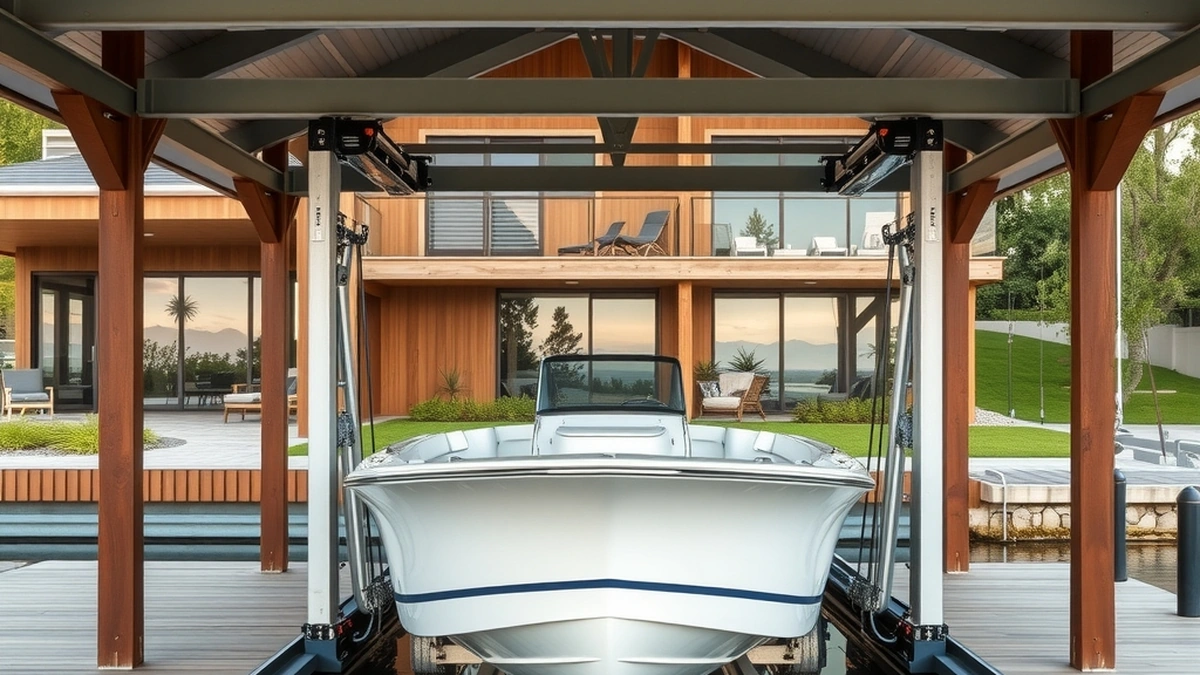
A boat lift stores your vessel out of the water, while a boat dock provides a platform for boarding, tying up, and accessing the shore. These are not interchangeable products, and choosing between them starts with what you want the structure to do. If your goal is long-term hull protection, a lift is the tool for the job. If you need a place to stand while loading gear or welcoming guests, a dock is the starting point. Many waterfront properties use both together, with the lift mounted beside or off the end of the dock.
How Each Option Works
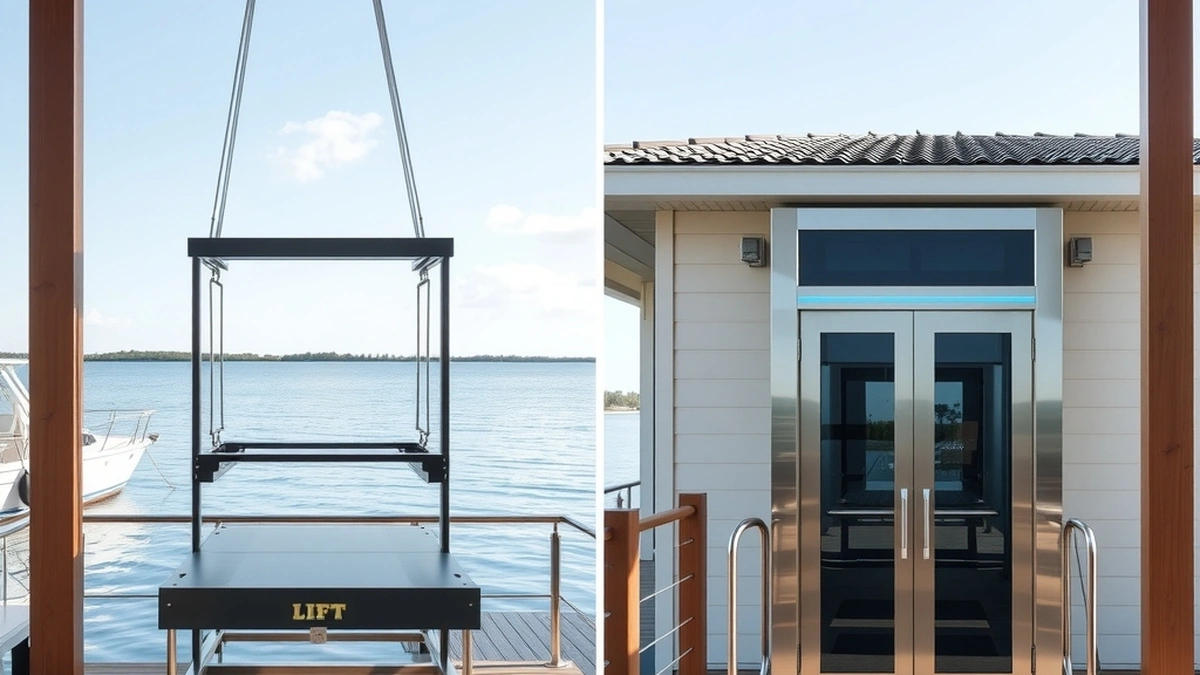
A boat lift uses a cradle, elevator, or hydraulic mechanism to raise the hull above the waterline. Cradle lifts are common for recreational boats in the 4,000-pound range and typically cost $5,000 to $12,000 for the equipment. Elevator lifts for heavier boats around 10,000 pounds generally run $12,000 to $25,000. Hydraulic systems for larger vessels can range from $15,000 to $35,000. Personal watercraft lifts are smaller units priced around $1,500 to $5,000. Installation usually adds $1,000 to $3,000 depending on site conditions and piling requirements.
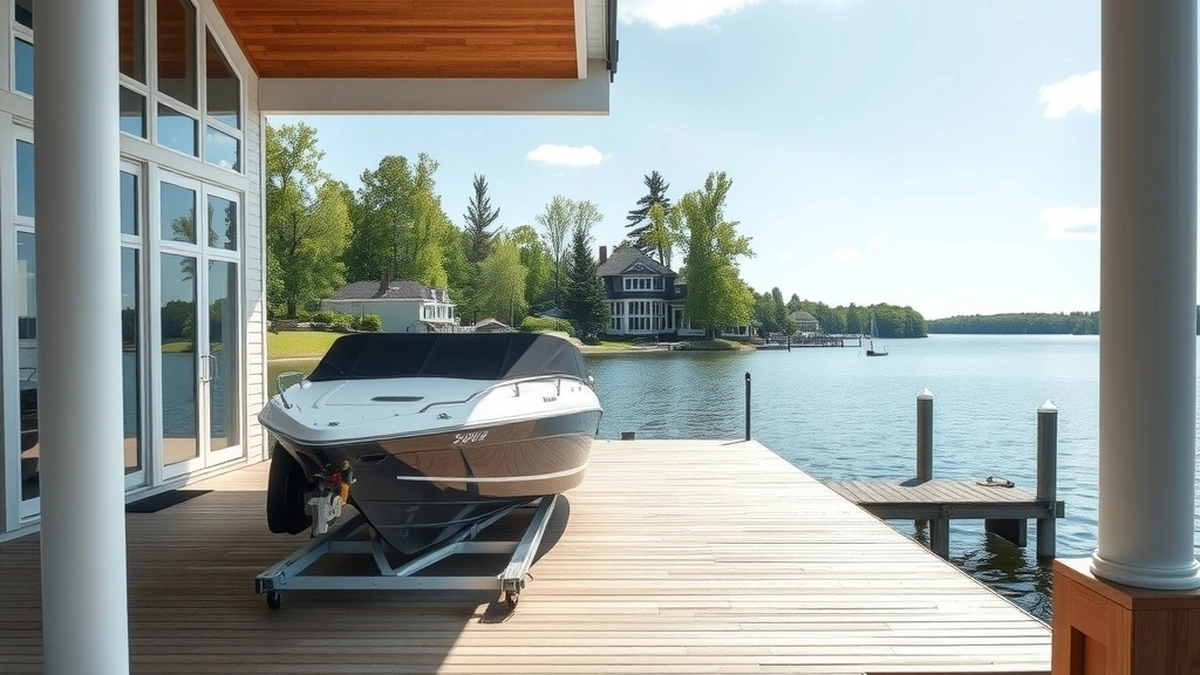
A dock is a fixed or floating platform built from wood, composite, aluminum, or concrete. Dock construction costs typically fall between $15,000 and $60,000, driven by size, materials, water depth, and whether pilings are required. Unlike a lift, a dock does not remove the boat from the water. Boats tied to a dock remain in contact with the water unless a lift is added to the same footprint.
Capacity and Water Depth Come First
Before comparing brands or materials, match the equipment to your boat and your site. Boat lift capacity is rated in pounds, and you should account for the boat’s wet weight, including fuel, water, and gear. A 4,000-pound cradle lift is sized for a boat and trailer package near that limit, not just the dry hull weight listed by the manufacturer.
Water depth determines which lift styles are practical. Elevator lifts need sufficient clearance beneath the boat to raise it fully without bottoming out. Cradle lifts and pile-mounted units can work in shallower conditions, but the water must still be deep enough to float the boat onto the cradle. Docks also depend on depth and bottom conditions. Fixed docks require pilings driven to stable soil, while floating docks rise and fall with water level but need mooring and anchorage.
If you are unsure about your site, measuring depth at low tide or low water season is the first step. That number narrows the lift options before you compare prices.
Cost Comparison With Real Arithmetic
Equipment price is only part of the total. Here is how the numbers can add up for a mid-sized recreational boat:
- 4,000 lb cradle lift: $5,000 to $12,000
- Installation: $1,000 to $3,000
- Total lift project: $6,000 to $15,000
Compare that with dock construction:
- Dock construction: $15,000 to $60,000
- Installation is typically included in construction pricing, but site prep or permits may add cost.
If you want both a dock and a lift, a combined project could look like this:
- Dock: $25,000 (mid-range estimate)
- 4,000 lb cradle lift: $8,500 (mid-range estimate)
- Lift installation: $2,000
- Combined total: approximately $35,500
These figures are estimates. Actual quotes vary by region, contractor, and site conditions. For more detail on lift pricing, see our guide on how much does a boat lift cost.
Maintenance and Hull Protection
A boat lift removes the hull from the water between uses, which slows marine growth, reduces blistering, and limits staining. That protection comes with maintenance responsibilities. Cables, bunks, motors, and pulleys need inspection on a regular schedule. Saltwater accelerates corrosion on metal components, so rinsing and checking for wear matters more in coastal environments.
Docks also require upkeep. Wood decking can rot, splinter, or become slippery with algae. Composite and aluminum decking reduce some of that work but often cost more upfront. Pilings can shift or degrade, especially in freeze-thaw climates or areas with strong current.
If your boat stays on a dock without a lift, bottom paint and more frequent hull cleaning are normal parts of ownership. A lift reduces those tasks but shifts the maintenance burden to the lift mechanism itself. For ongoing care, our boat lift maintenance and boat lift repair guides cover what to watch for.
Installation and Site Considerations
Installing a lift usually means securing it to pilings, the dock frame, or the seabed, depending on the model. A cradle lift mounted to an existing dock can be simpler than a freestanding elevator lift that requires its own piling cluster. Installation costs of $1,000 to $3,000 assume reasonable access and stable bottom conditions. Rock, deep silt, or limited shoreline access can push costs higher.
Dock construction is a heavier civil project. Permits may be required from local, state, or federal agencies depending on the waterway. Fixed docks need pilings, while floating docks need anchorage and gangways. Both must account for water level changes, wave action, and boat traffic.
If you are planning a new install, review our boat lift installation overview for what to expect during the process.
When to Choose One, Both, or Neither
Choose a boat lift if your priority is keeping the hull out of the water, reducing bottom growth, and protecting the boat during long periods of non-use. A lift makes sense for owners who store a boat for weeks at a time and want to limit bottom painting.
Choose a dock if your priority is access. A dock gives you a stable place to board, load coolers, fish, or tie up a dinghy. If you have multiple boats or guests who swim from the platform, a dock serves social and practical needs that a lift cannot.
Choose both if you have the budget and shoreline space. A dock provides the platform, and a lift beside it provides storage. This is common on residential lakefront and canal properties.
Choose neither if you use a marina slip with existing infrastructure or if you trailer your boat and launch from a ramp. In those cases, owning a lift or dock may add cost without adding utility.
Quick Reference Table
| Feature | Boat Lift | Boat Dock |
|---|---|---|
| Primary function | Stores boat out of water | Provides access platform |
| Typical equipment cost | $1,500–$35,000 | N/A |
| Typical construction cost | N/A | $15,000–$60,000 |
| Installation | $1,000–$3,000 | Included in construction range |
| Hull protection | High | Low |
| Boarding space | Limited | High |
| Best for | Storage between trips | Access and mooring |
This table shows general ranges. Your quote will depend on boat size, water depth, materials, and local labor rates.
If you are still deciding which lift style fits your boat, our best boat lift comparison breaks down options by capacity and drive type. For hands-on owners, DIY boat lift covers what is involved in self-installation, and how long does a boat lift last explains lifespan factors by material and environment.
Frequently asked questions
What is the main difference?
A boat lift raises and stores your vessel out of the water, while a dock is a fixed or floating platform used for boarding, mooring, and access.
Can I have both?
Yes. Many owners install a dock for access and a boat lift beside it to store the boat off the bottom between trips.
Which costs more?
Dock construction usually costs more, ranging from $15,000 to $60,000, compared with $5,000 to $35,000 for most boat lifts.
Does a lift protect the hull?
Yes. Keeping the boat out of the water reduces blistering, marine growth, and hull wear compared with long-term dock mooring.
What water depth do I need?
It depends on the lift style and boat draft. Shallow water may limit elevator lifts, while cradle and pile-mount options work in varied depths.
How long does a boat lift last?
Lifespan varies by material, usage, and maintenance. Aluminum and galvanized steel frames typically last many years with routine care.
Sources
Some links are affiliate links.If you buy through them we may earn a commission at no extra cost to you. We do not accept payment for rankings. Read the full disclosure.