Cradle Lift vs Floating Dock: Which Fits Your Boat
Compare cradle boat lifts and floating docks by capacity, water depth, cost, and installation to choose the right setup.
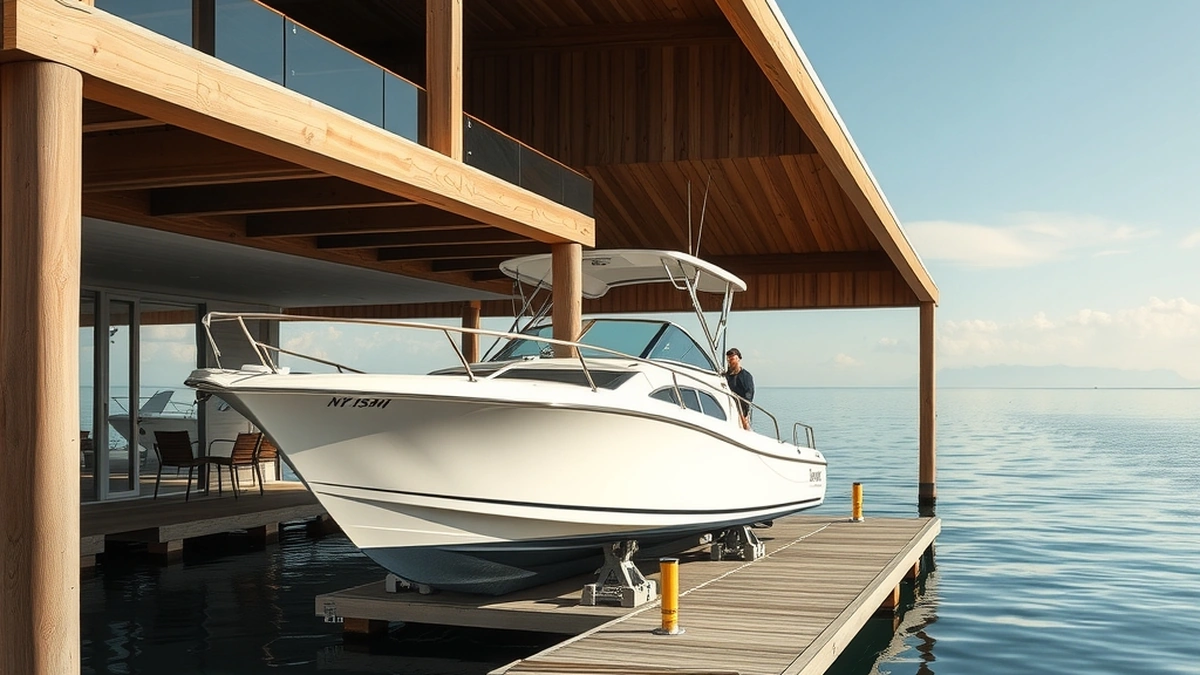
A cradle lift holds your boat out of the water on a frame; a floating dock lets it sit in the water at a fixed pier. Choose based on boat weight, water depth, and how much hull protection you need.
- Best for
- Keeping hull out of water vs. easy water access
- Typical capacity
- 4,000 lb cradle lift vs. varies by dock size
- Equipment cost
- $5,000–$12,000 vs. $15,000–$60,000 dock construction
- Installation
- $1,000–$3,000 vs. included in dock build
- Water depth need
- Enough to float boat off cradle vs. deep enough for dock float
Some links on this page are affiliate links.If you buy through them we may earn a commission at no extra cost to you. We do not accept payment for rankings. Read the full disclosure.
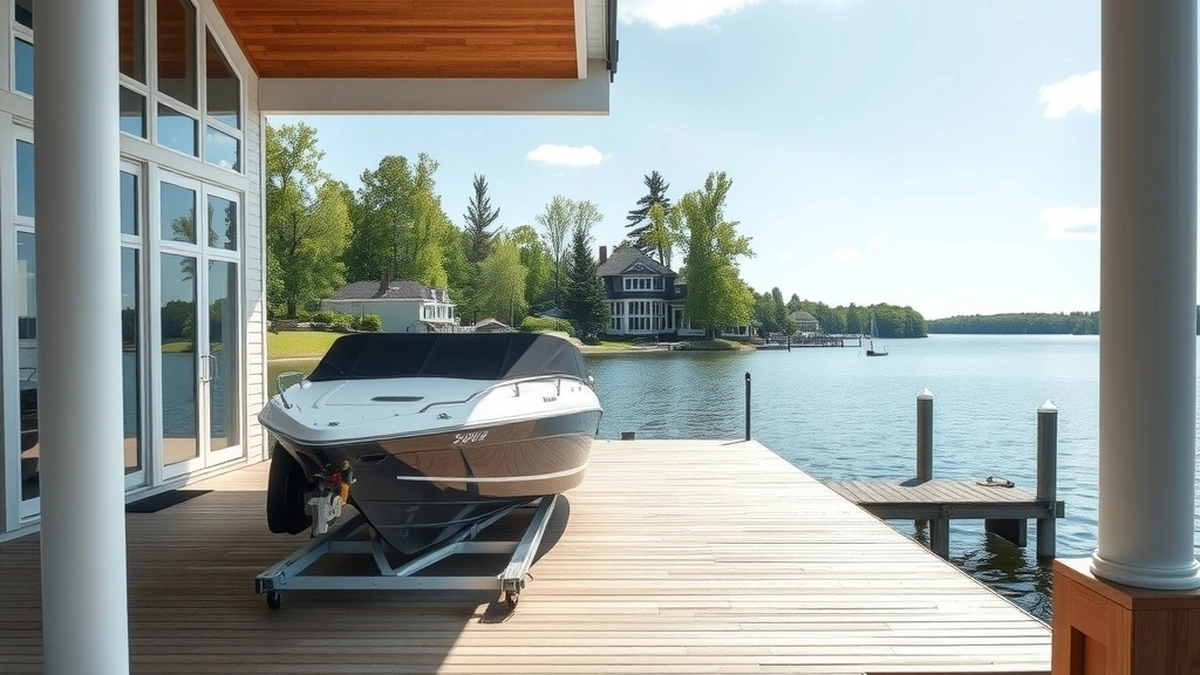
A cradle lift holds your boat above the water on a padded frame. A floating dock keeps your boat in the water beside a buoyant pier. The right choice depends on your boat’s weight, your water depth, and whether you want the hull out of the water between trips.
How a Cradle Lift Works
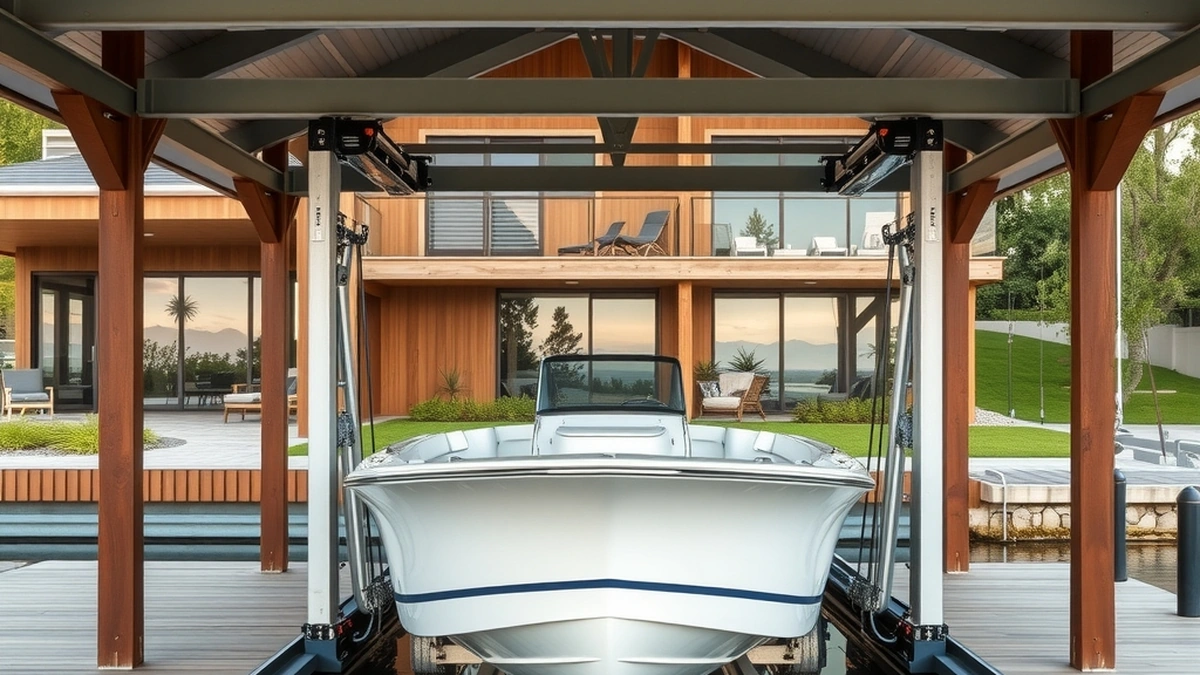
A cradle lift uses a metal frame with bunks or beams that cradle the hull. A motor, cable, or hydraulic system raises the boat so the bottom sits clear of the water. This protects the hull from algae, blistering, and marine growth. It also makes it easier to wash the bottom, inspect the running gear, and apply bottom paint on your own schedule.
Capacity is the first filter. A 4,000 lb cradle lift typically costs between $5,000 and $12,000 for the equipment. If your boat weighs 3,500 lb with fuel and gear, that lift works with margin to spare. If your boat weighs 9,000 lb, you need a heavier model, and equipment pricing moves into a different tier. Installation usually adds $1,000 to $3,000 depending on piling conditions and electrical hookup.
Water depth matters too. You need enough depth to float the boat off the cradle when you launch, and enough clearance under the dock or lift structure to raise the boat fully. Shallow water or a steep shoreline can limit where a cradle lift can be installed.
How a Floating Dock Works
A floating dock consists of buoyant pontoons or air chambers supporting a deck. It rises and falls with tide, rain, or drawdown, so the freeboard stays consistent. Boats tie alongside or slip into a slip cut into the dock. Because the boat stays in the water, hull fouling happens faster, and you will need bottom paint and more frequent cleaning.
Dock construction is a larger civil project. A floating dock installation typically falls inside a broader range of $15,000 to $60,000, depending on length, width, decking material, and anchorage. That is not lift equipment; it is a permanent waterfront structure. If you already own a dock, adding a boat slip or finger pier may cost less, but you are still building marine infrastructure.
Floating docks work well when water depth changes throughout the season. A fixed pier can leave you high and dry at low tide or too far above the water at high water. A floating dock moves with the surface, which makes boarding easier in variable conditions.
Side-by-Side Comparison
| Factor | Cradle Lift | Floating Dock |
|---|---|---|
| Boat position | Out of the water | In the water |
| Hull protection | High; bottom stays dry | Lower; bottom fouls normally |
| Typical equipment cost | $5,000–$12,000 for 4,000 lb | $15,000–$60,000 for dock construction |
| Installation | $1,000–$3,000 | Built into dock project |
| Water depth need | Sufficient to float on/off | Sufficient for float volume and draft |
| Tide or level change | Fixed unless adjustable | Rises and falls automatically |
| Best use | Storage between trips | Boarding, mooring, and access |
These are estimates. Actual prices depend on your boat’s weight, shoreline conditions, local labor rates, and whether you need electrical service or pilings.
Capacity and Load Math
Start with your boat’s wet weight. That means hull, engine, fuel, water, gear, and passengers. A 22-foot bowrider might weigh 3,800 lb dry. Add 400 lb of fuel and gear, and you are near 4,200 lb. A 4,000 lb cradle lift would be undersized. You should size up rather than max out the lift.
If you are looking at heavier boats, other lift types carry different price points. A 10,000 lb elevator lift runs roughly $12,000 to $25,000. Hydraulic lift systems can range from $15,000 to $35,000. PWC lifts are smaller, typically $1,500 to $5,000. These figures show how quickly cost climbs with capacity, so know your actual weight before you request quotes.
For a floating dock, capacity is measured by dock size and float volume rather than a single lift rating. A dock must support people, the boat’s mooring loads, and wave energy. Your dock builder should calculate dead load and live load based on your expected use.
Water Depth and Shoreline
Measure depth at low tide or the lowest seasonal level. A cradle lift needs enough water for the boat to float off the bunks. If your boat draws 2.5 feet, you need more than 2.5 feet at the lift location, plus clearance for the cradle structure itself. If the water is too shallow, the boat will bottom out before it floats free.
A floating dock needs enough depth so the floats do not rest on the bottom at low water. It also needs enough depth for the boat’s draft alongside the dock. In areas with large tidal swings, a floating dock avoids the problem of a fixed pier becoming unreachable or submerged.
Shoreline slope affects both. A steep drop-off can make cradle lift piling installation more complex. A gradual slope may allow a floating dock to be anchored close to shore with minimal dredging.
Cost Examples
Here is how the numbers can add up in real scenarios.
Scenario 1: 4,000 lb boat with cradle lift
- Equipment: $5,000–$12,000
- Installation: $1,000–$3,000
- Total estimate: $6,000–$15,000
Scenario 2: Floating dock only
- Dock construction: $15,000–$60,000
- Total estimate: $15,000–$60,000
Scenario 3: Floating dock plus cradle lift
- Dock construction: $15,000–$60,000
- Lift equipment: $5,000–$12,000
- Lift installation: $1,000–$3,000
- Total estimate: $21,000–$75,000
These are estimates, not quotes. Site conditions, permitting, and electrical work can move the final price outside these ranges.
Maintenance Differences
A cradle lift protects the hull but requires its own maintenance. Cables, sheaves, motors, and bearings need inspection. If you have a saltwater lift, rinse components regularly and check for corrosion. Your lift may also need periodic re-bunking if the pads wear or shift. For more on keeping lift hardware in good shape, see our boat lift maintenance guide.
A floating dock keeps the boat in the water, so the bottom fouls normally. You will need bottom paint, periodic haul-outs for bottom work, and more frequent cleaning if you leave the boat in place for weeks. The dock itself needs float checks, deck fastener inspections, and anchorage review after storms.
If your lift ever needs service, our boat lift repair overview covers common failure points and when to call a professional.
Installation and Permitting
Cradle lift installation usually involves piling mounts or a frame bolted to an existing dock, plus electrical wiring for the motor. Expect $1,000 to $3,000 for professional installation. If you are handy and the site is simple, some owners handle part of the work themselves, but electrical and heavy lifting are best left to pros. Our boat lift installation guide walks through the process.
Floating dock construction is more involved. You may need permits from local, state, or federal agencies before placing structures in navigable water. Dock construction pricing from $15,000 to $60,000 often includes engineering, materials, labor, and anchoring. Do not assume a dock can go in without approvals.
When to Choose Each
Choose a cradle lift when:
- You want the hull out of the water to slow blistering and fouling.
- Your boat fits within a standard lift capacity, such as 4,000 lb.
- You have enough water depth to float the boat on and off.
- You already have a dock or pilings to mount the lift.
Choose a floating dock when:
- Water level changes significantly with tide or season.
- You want easy boarding and a stable platform beside the boat.
- You are building a new waterfront access point anyway.
- You do not mind bottom paint and regular hull cleaning.
Many owners use both. A floating dock handles boarding and day use, while a cradle lift stores the boat dry when it is not on the water. If you are deciding between a lift and a dock in general terms, our boat lift vs boat dock comparison covers the broader categories.
Bottom Line
A cradle lift vs floating dock decision comes down to whether you want your boat out of the water or in it. A 4,000 lb cradle lift costs roughly $5,000 to $12,000 plus $1,000 to $3,000 for installation. Floating dock construction runs $15,000 to $60,000. Measure your boat’s wet weight, check low-water depth at your site, and get a site-specific quote before you order.
Frequently asked questions
What is a cradle lift?
A cradle lift is a frame that raises your boat above the waterline, supporting the hull on padded bunks so the bottom stays dry between uses.
What is a floating dock?
A floating dock is a buoyant platform that rises and falls with the water level, giving you a stable walkway and mooring spot next to your boat.
How much does a 4,000 lb cradle lift cost?
A 4,000 lb cradle lift typically costs between $5,000 and $12,000 for the equipment, not including installation.
How much does dock construction cost?
Dock construction generally runs from $15,000 to $60,000 depending on size, materials, and site conditions.
Can I use both together?
Yes. Many owners install a floating dock for boarding and add a cradle lift nearby to park the boat when it is not in use.
Which needs less maintenance?
A floating dock usually needs less hull-related maintenance since the boat stays in the water, while a cradle lift protects the bottom but requires lift upkeep.
Sources
Some links are affiliate links.If you buy through them we may earn a commission at no extra cost to you. We do not accept payment for rankings. Read the full disclosure.