Permit Missing: Warning Signs Before You Install
How to spot missing permit warning signs for boat lifts and docks, plus what it costs to fix unpermitted work.
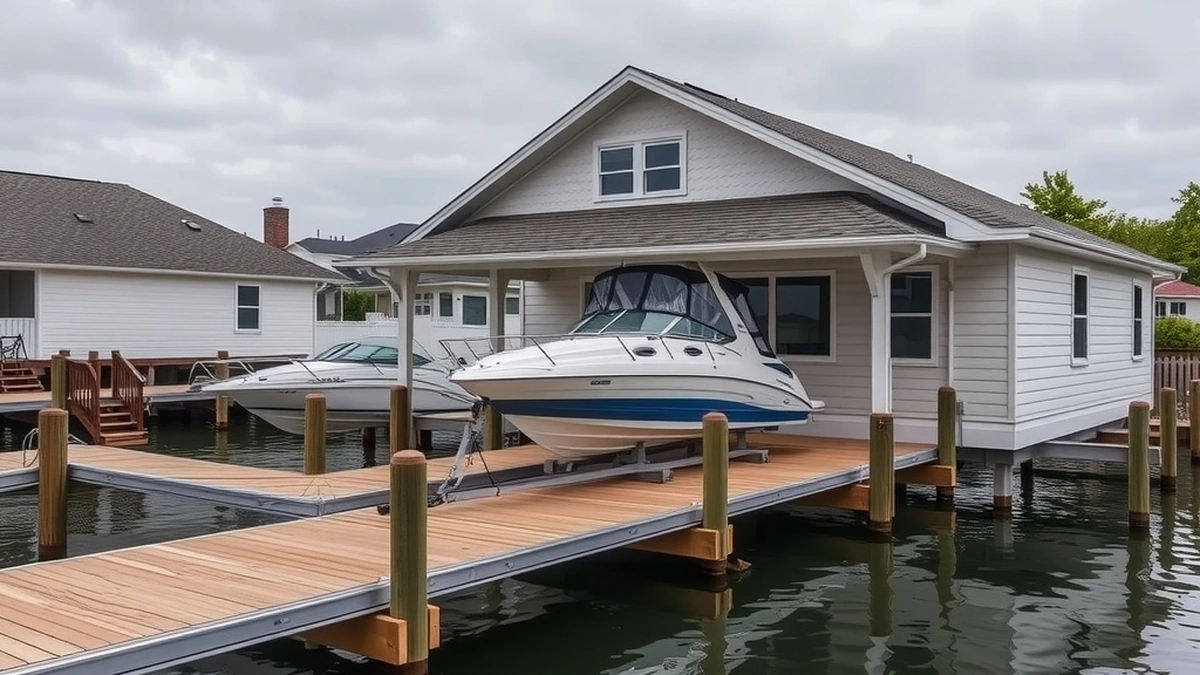
A missing permit is a legal and safety red flag. Check local building codes before installing a boat lift or dock, because unpermitted work can trigger fines, removal orders, and liability issues.
- Primary concern
- Missing or expired permits
- Typical lift cost range
- $1,500–$35,000
- Typical installation cost
- $1,000–$3,000
- Dock construction cost
- $15,000–$60,000
Some links on this page are affiliate links.If you buy through them we may earn a commission at no extra cost to you. We do not accept payment for rankings. Read the full disclosure.
A missing permit is not a paperwork technicality. It is a warning sign that a boat lift or dock may have been installed without local code review, which can expose the owner to fines, forced removal, and liability if someone is injured. Before signing off on any waterfront installation, confirm that the required permits exist and that the structure matches the approved plans.
Why Permits Matter for Boat Lifts and Docks
Local governments regulate marine construction because lifts and docks affect navigation, shoreline stability, water quality, and neighboring property rights. A permit creates a record that the project was reviewed for setbacks, water depth, load capacity, and electrical safety. When that record is missing, there is no official confirmation that the structure meets code.
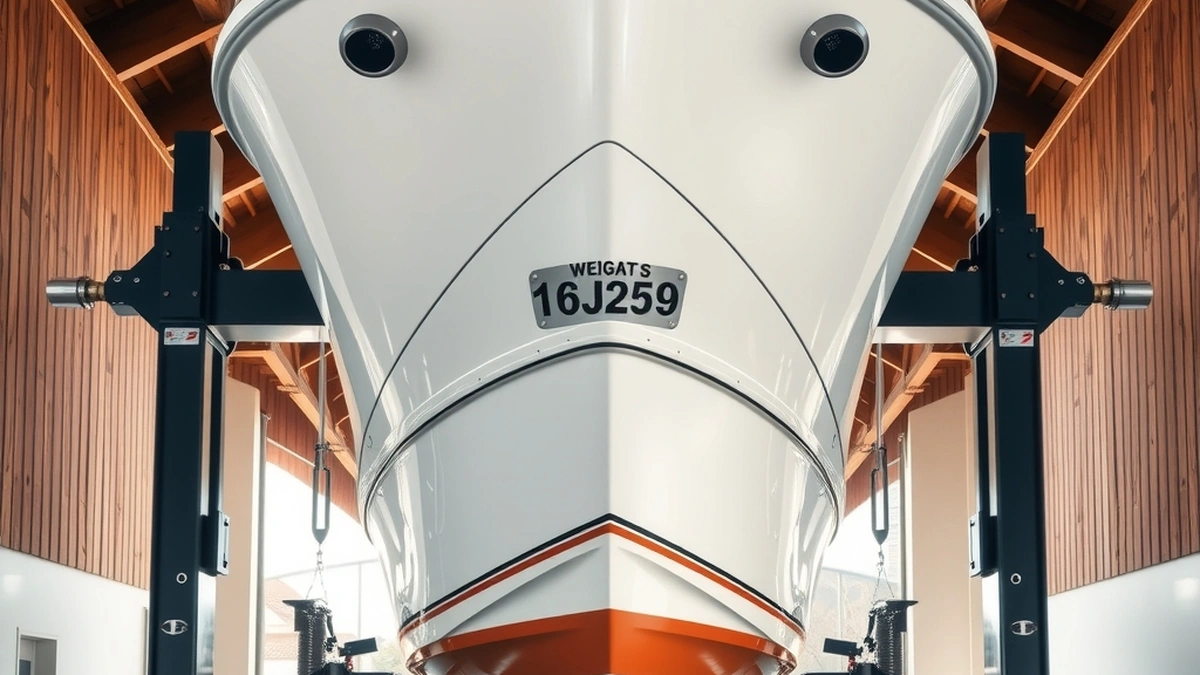
Capacity and water depth come first. A lift rated for a 4,000-pound boat costs roughly $5,000–$12,000 for the cradle unit alone, while a 10,000-pound elevator lift runs about $12,000–$25,000. Hydraulic models range from $15,000–$35,000, and PWC lifts start around $1,500–$5,000. Installation typically adds $1,000–$3,000. Dock construction can run $15,000–$60,000 depending on size and materials. These figures are estimates, and permit fees are separate.
Warning Signs That a Permit Is Missing
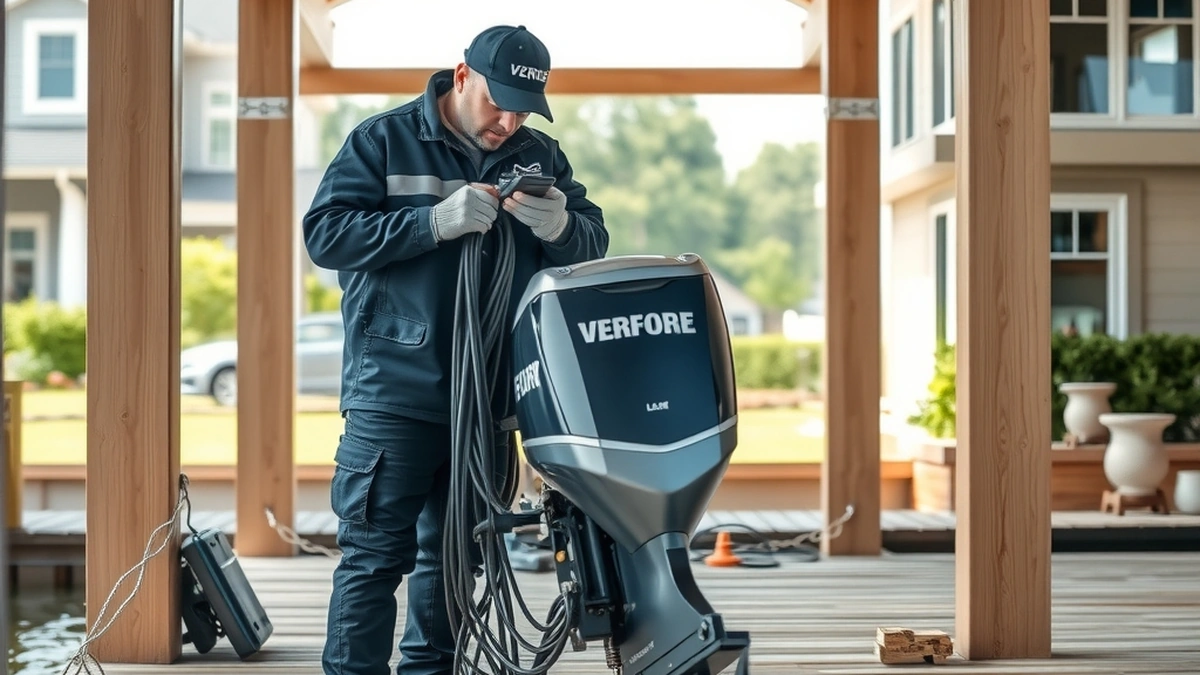
Several red flags suggest a lift or dock was installed without proper approval. The seller or installer cannot produce a permit number or final inspection document. The structure appears larger or deeper than neighboring approvals would allow. Electrical wiring runs to the lift without a visible disconnect or GFCI protection. Pilings or cradles sit in water depths that do not match the rated capacity for the boat stored on them.
Other signs include work completed overnight or by an unlicensed handyman, no posted permit placard during construction, and a lack of as-built drawings. If any of these apply, treat the installation as unpermitted until proven otherwise.
Cost and Load Examples
Permit issues become expensive when they intersect with equipment costs. Consider a 4,000-pound cradle lift at $8,000, mid-range for that category. Installation at $2,000 brings the total to $10,000. If a building department orders removal because the permit is missing, the owner may lose the full $10,000 plus demolition costs, before buying a compliant replacement.
For a larger example, a hydraulic lift at $25,000 plus $2,500 installation equals $27,500. Adding a dock at $30,000 brings the project to $57,500. Unpermitted work on that scale can trigger fines that scale with project value, not just the lift itself. These numbers are estimates, and actual prices vary by region, water depth, and site conditions.
What to Do If You Spot Missing Permits
First, stop using the lift or dock if safety is in question. Contact the local building or zoning department to ask whether a permit exists for the address. Request copies of the application, approved plans, and final inspection. If nothing exists, apply for retroactive approval if the jurisdiction allows it. Some areas require removal first, while others permit after-the-fact review with modifications.
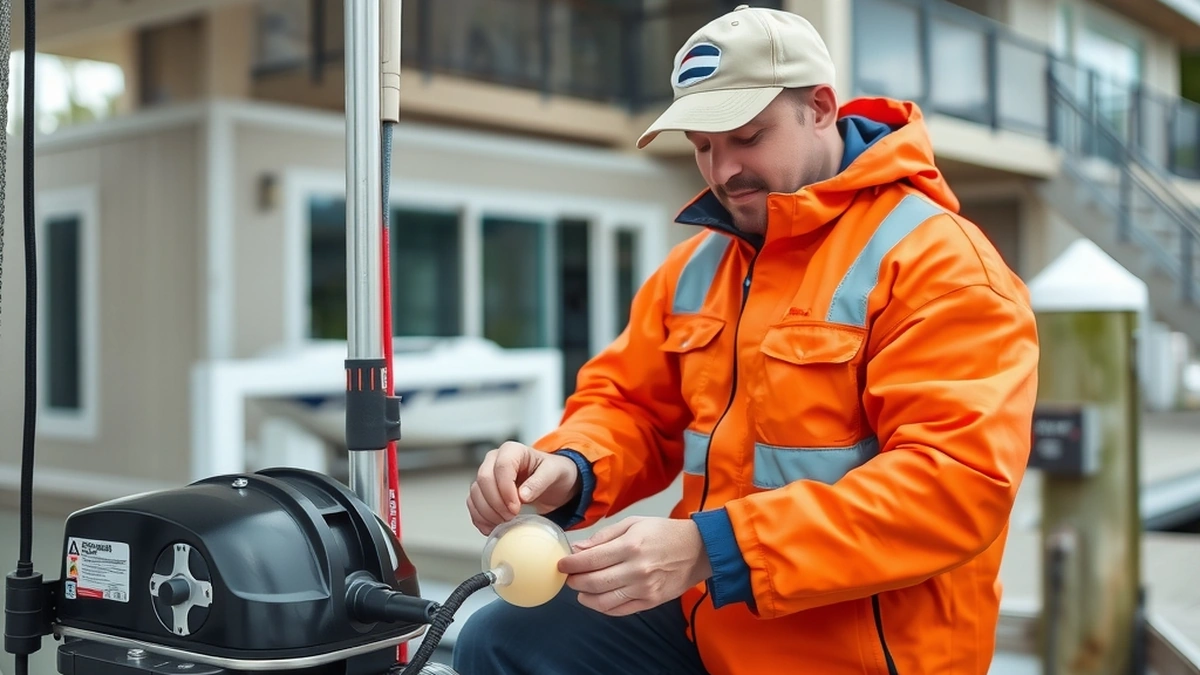
Hire a licensed marine contractor to evaluate capacity, piling depth, and electrical connections. Do not assume that because a lift has operated for years without incident, it is compliant. Age does not cure a missing permit.
When Repairs or Replacement Make Sense
If the structure is sound but lacks paperwork, retroactive permitting may be the least expensive path. If the lift is undersized for the boat or the dock is in the wrong water depth, replacement is often safer than trying to permit a nonconforming structure. A new cradle lift for a 4,000-pound boat at $5,000–$12,000, plus $1,000–$3,000 installation, gives a compliant baseline. A PWC lift at $1,500–$5,000 may suit smaller watercraft.
For major waterfront work, dock construction at $15,000–$60,000 should include permit costs in the budget. These are estimates, not quotes. Get itemized bids from local contractors before deciding.
How to Prevent Permit Problems on New Installs
Always confirm who pulls the permit before work begins. Reputable installers include permit acquisition in their scope. Ask for the permit number, inspect the approved plans, and schedule the final inspection yourself if possible. Keep copies of all paperwork with your home records.
Match the lift to the boat’s weight and the site’s water depth. A 10,000-pound elevator lift at $12,000–$25,000 is only appropriate if the dock and pilings support that load. Electrical work should follow local code and include proper disconnects. Documentation protects you at resale and during insurance claims.
For more on budgeting, see our guide to how much a boat lift costs. If you are hiring help, review boat lift installation basics. Existing structures that need attention can be evaluated through boat lift repair. Ongoing care is covered in boat lift maintenance. For model comparisons, visit best boat lift. To understand how lifts differ from fixed structures, read boat lift vs boat dock. DIYers should check diy boat lift before starting, and cost planning help is available at boat lift cost per square foot.
A missing permit is a signal to pause, not proceed. Verify approvals before you pay, install, or rely on any boat lift or dock.
Frequently asked questions
What does permit missing mean?
It means a boat lift or dock was installed without the required local government approval, which can create code violations and liability exposure.
Who issues marine construction permits?
Permits usually come from city or county building departments, sometimes with additional review from state or federal agencies such as the Army Corps of Engineers.
Can I sell a home with an unpermitted lift?
You can, but buyers and lenders often require disclosure, and unpermitted structures can delay closing or reduce appraised value.
How much does a boat lift cost?
PWC lifts run about $1,500–$5,000, cradle lifts for 4,000 pounds about $5,000–$12,000, and hydraulic lifts about $15,000–$35,000, before installation.
What is installation cost?
Professional installation typically adds $1,000–$3,000, depending on site access, water depth, and lift type.
Should I fix unpermitted work myself?
Minor adjustments may be DIY-friendly, but permitting and structural corrections usually require a licensed contractor and official sign-off.
Sources
Some links are affiliate links.If you buy through them we may earn a commission at no extra cost to you. We do not accept payment for rankings. Read the full disclosure.