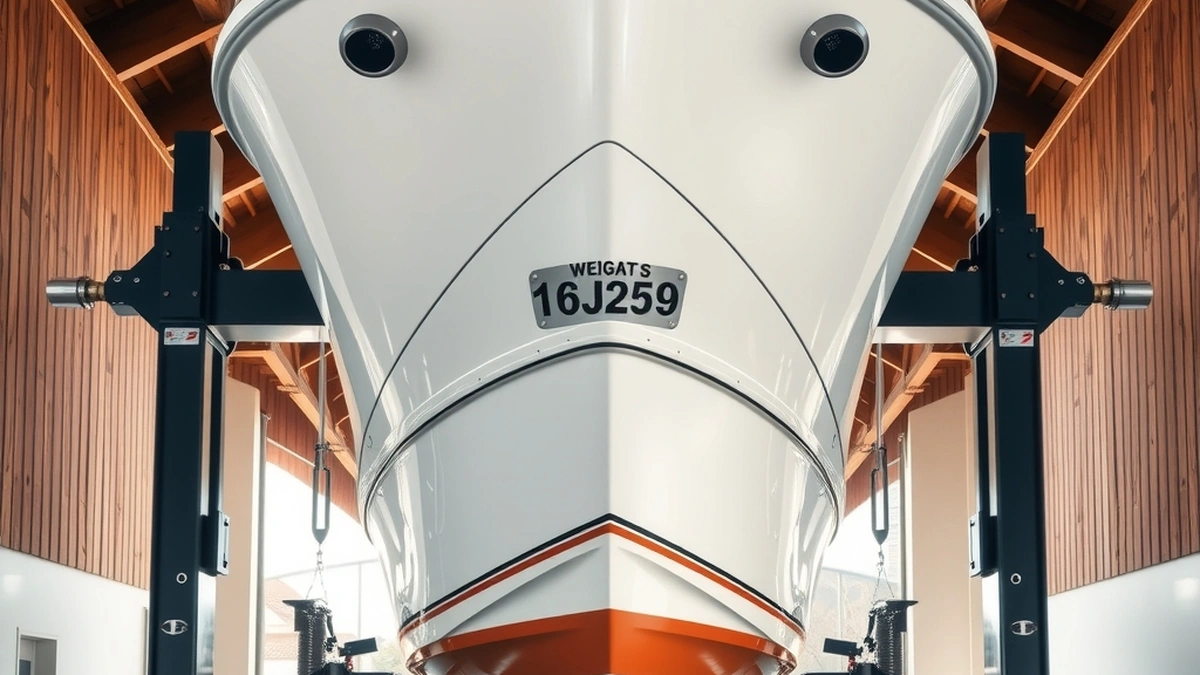
Power Unavailable: How to Prevent It on Your Boat Lift
Keep your boat lift running during outages with backup power, proper wiring, and routine electrical maintenance.
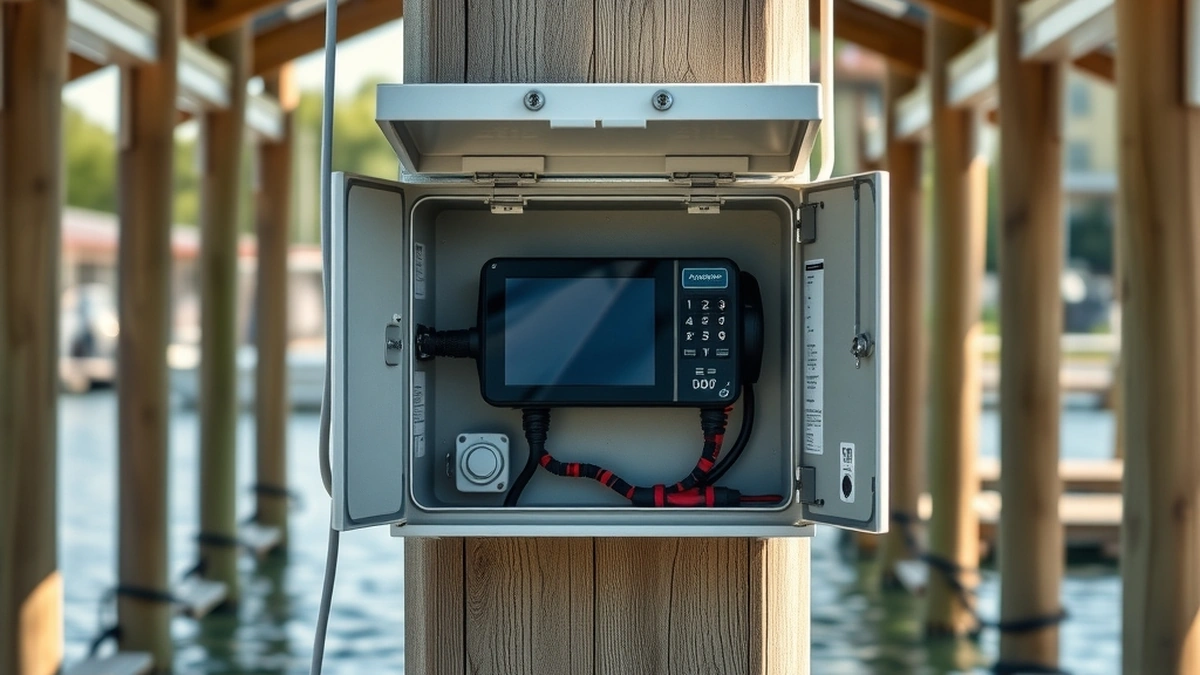
Install a backup power source, protect wiring from moisture, inspect connections seasonally, and size your electrical circuit to the lift motor to prevent power loss.
- Primary cause of lift power loss
- Tripped breakers, GFCI faults, or corroded wiring
- Recommended backup
- Marine-grade battery or generator
- Typical lift install cost
- $1,000-$3,000
- Inspection frequency
- Before each boating season
Some links on this page are affiliate links.If you buy through them we may earn a commission at no extra cost to you. We do not accept payment for rankings. Read the full disclosure.
Power unavailable on a boat lift means the motor will not run, leaving your boat stuck in the water or on the cradle. The most common causes are tripped breakers, GFCI trips, corroded wiring, and loose connections at the motor or control box. Preventing power loss comes down to protecting electrical components from moisture, sizing the circuit correctly, and adding a backup power source for outages.
Start With the Power Source
Most residential boat lifts run on 120-volt or 240-volt AC shore power. The circuit must match the motor’s voltage and amperage draw. If the breaker is too small, it will trip under load. If the wire gauge is too thin for the run from the house panel to the dock, voltage drop can stall the motor or cause intermittent operation.
Have a licensed electrician confirm the circuit size before installing a new lift. For example, a 4,000 lb cradle lift typically costs between $5,000 and $12,000, while a 10,000 lb elevator lift ranges from $12,000 to $25,000. Spending extra on proper wiring upfront protects that investment. If you are comparing lift types, our guide on how much does a boat lift cost breaks down pricing by model and capacity.
Protect Wiring From Water and Corrosion
Dock wiring faces constant humidity, salt spray, and temperature swings. Use conduit rated for wet locations, seal every entry point into the control box, and keep junction boxes above the splash zone. Corroded terminals increase resistance, which can cause the motor to overheat or shut down entirely.
Inspect wire nuts, terminal blocks, and the GFCI outlet at the start of each season. Look for green or white corrosion on copper, cracked insulation, or water inside enclosures. If you find damage, turn off power at the breaker before touching anything. For existing lifts with recurring electrical faults, our boat lift repair page covers common failure points and when to call a professional.
Add Backup Power
Shore power outages are common during storms, which is exactly when you may need to move your boat. A marine-grade battery backup connected to the lift controller allows one or two lift cycles without grid power. For longer outages, a properly sized generator with a transfer switch can keep the dock energized.
Size the backup to the lift motor’s running watts plus starting surge. A hydraulic lift system, which typically costs $15,000 to $35,000, may draw more current than a smaller PWC lift priced between $1,500 and $5,000. Match the battery or generator to the specific lift you own rather than guessing.
Install the Lift Correctly From the Start
Electrical problems often begin during installation. The control box should be mounted where it is accessible but protected from direct rain. Wiring should be secured so it cannot chafe against dock pilings or lift beams. If the lift is being installed on a new dock, coordinate the electrician and dock builder so conduit runs are buried or routed safely before decking goes down.
Installation typically runs $1,000 to $3,000 depending on site conditions and distance from the main panel. Dock construction itself can range from $15,000 to $60,000, so electrical work is a small share of the total but critical to reliability. For more on the build process, see our boat lift installation overview.
Test and Maintain Seasonally
Preventive maintenance is cheaper than emergency repairs. Test the lift motor, remote, and limit switches monthly during the boating season. Run the lift through a full cycle with no boat on the cradle to confirm smooth operation and listen for humming or straining that indicates electrical stress.
Check the GFCI outlet by pressing its test and reset buttons. If it will not reset or trips repeatedly, there may be a ground fault in the motor or wiring. Keep the control box lid closed and latched when not in use. Routine upkeep extends the life of electrical components and reduces the chance of being stranded with a dead lift. Our boat lift maintenance guide outlines a seasonal checklist.
Know When to Call an Electrician
Resetting a breaker is a task most owners can handle safely. Replacing wiring, installing a subpanel, or troubleshooting a ground fault near water should be left to a licensed professional familiar with marine electrical standards. Water and electricity are unforgiving, and dock environments accelerate wear.
If your lift loses power repeatedly despite resetting breakers and checking outlets, schedule an inspection. A technician can measure voltage at the motor, test insulation resistance, and identify whether the issue is the supply, the wiring, or the motor itself.
Match Power to Lift Capacity
Heavier boats require larger lifts with stronger motors, which increases the electrical load. A PWC lift for a personal watercraft costs $1,500 to $5,000 and may run on a standard outlet, while a 10,000 lb elevator lift costing $12,000 to $25,000 likely needs a dedicated 240-volt circuit. Do not plug a high-capacity lift into an extension cord or a shared outlet with other dock equipment.
When planning a new lift, confirm that your dock’s electrical service can handle the added load. If you are also deciding between a lift and a fixed dock, our boat lift vs boat dock comparison explains how power access factors into that choice.
Power loss on a boat lift is preventable with proper circuit sizing, weather-protected wiring, seasonal testing, and a backup power source. Treat the electrical system as part of the lift, not an afterthought, and your boat will stay accessible even when the grid goes down.
Frequently asked questions
Why does my boat lift lose power?
Power loss usually comes from a tripped breaker, a GFCI outlet that has shut down, loose wiring, or corrosion at the motor connection caused by moisture exposure.
How can I prevent power loss at the dock?
Use weatherproof enclosures, seal conduit entries, test GFCI outlets monthly, keep wiring above splash zones, and schedule a seasonal electrical inspection.
Should I install a backup battery for my lift?
A marine-grade battery backup keeps the lift operational during short outages and lets you lower or raise your boat when shore power is unavailable.
What size circuit does a boat lift need?
Circuit size depends on the lift motor voltage and amperage draw; consult the lift manual and a licensed electrician to match the breaker and wire gauge.
Can I fix lift wiring myself?
Minor tasks like resetting a breaker are safe for owners, but wiring repairs near water should be handled by a qualified marine electrician.
How often should I inspect lift electrical components?
Inspect connections, conduit, and the control box at least once per season, and after any major storm or extended period of non-use.
Sources
Some links are affiliate links.If you buy through them we may earn a commission at no extra cost to you. We do not accept payment for rankings. Read the full disclosure.