Permit Missing: How to Prevent It
How to prevent a missing boat lift or dock permit, which agencies regulate waterfront work, and what to verify before equipment is ordered.
Prevent a missing permit by checking three authorities before ordering equipment: the local building department, the state waterfront or environmental agency, and any HOA or riparian owner. Most lift projects need at least one permit, and waterfront work often needs two.
- First check
- Local building department
- Second check
- State waterfront agency
- Third check
- HOA and riparian rights
- Typical lead time
- 2 weeks to 3 months
- Cost of skipping
- Removal order or retroactive fees
Some links on this page are affiliate links.If you buy through them we may earn a commission at no extra cost to you. We do not accept payment for rankings. Read the full disclosure.
A missing permit is prevented by three phone calls before any equipment is ordered: the local building department, the state waterfront agency and the association or riparian owner. Most lift projects need at least one approval, and new structures over water often need two. The check takes an afternoon and saves a removal order.
A boat lift permit is the written authorization a property owner obtains before installing a lift or building a structure over water, issued by whichever authority has jurisdiction over the shoreline, the water body or the construction. There is no single national permit, which is why the check has to be local.
What a Missing Permit Actually Means
A permit is not a formality for the file. It is the record that the structure was reviewed for setback, navigation, environmental impact and structural adequacy. When it is missing, none of those reviews happened, and the authority’s remedy is usually to stop the work or require the structure to come out.
That is the asymmetry that matters. A permit costs a few hundred dollars and some waiting. Removal of an unpermitted dock or boat house costs tens of thousands and leaves you with a shoreline to restore.
Who Regulates What
Four layers can apply, and they do not always talk to each other.
| Authority | Typical jurisdiction | What they review |
|---|---|---|
| Local building department | Structure and electrical | Construction, load, inspections |
| State environmental or natural resources agency | Overwater work | Coverage, habitat, navigation |
| Federal agency, in some waters | Navigable waters | Authorization for structures |
| HOA, riparian owner or lake association | Private rules | Design, setbacks, mooring |
A lift bolted to an existing, permitted dock may only need an electrical permit. A new boat house with pilings usually needs the local building permit plus the state overwater authorization, and the state review is the slow one.
The Documents a Project Usually Needs
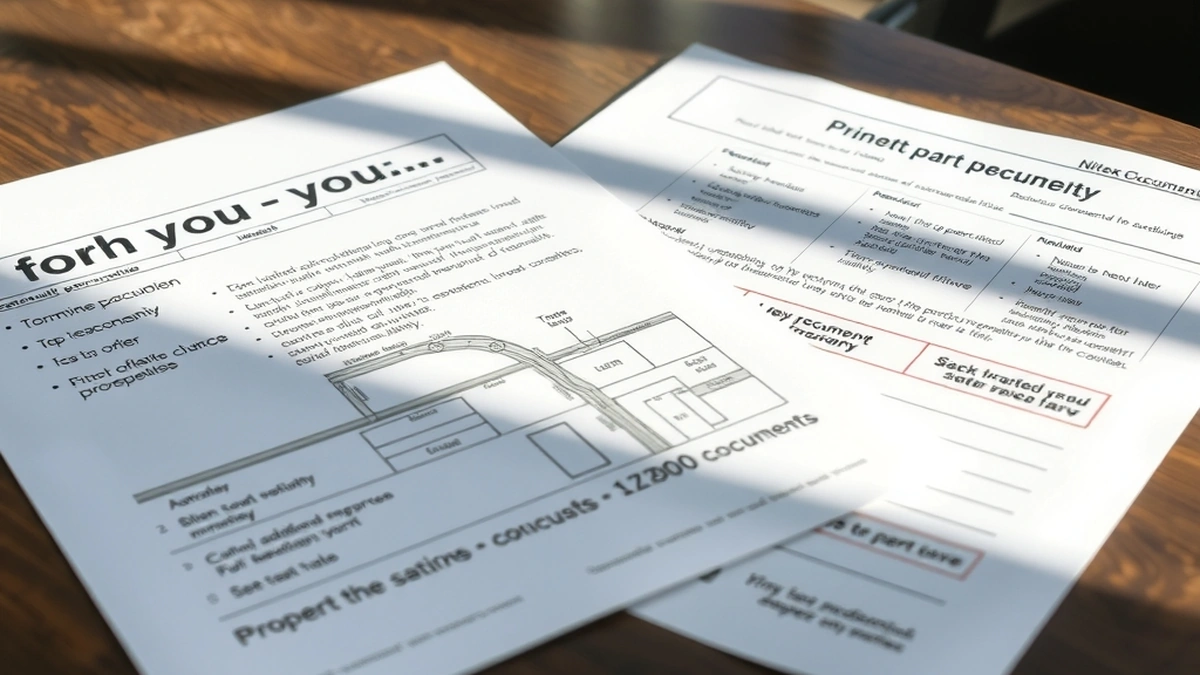
- A site plan showing the dock, the lift location, the mean high water line and the setback distances.
- A structural description of the lift and its mounting, including the rated capacity and the loaded boat weight.
- An electrical plan if the lift has a motor, showing the circuit and the disconnect location.
- Proof of riparian ownership or the right to build, which is a title question rather than a permit question.
- Any HOA approval, if the property is in an association with waterfront rules.
The second item catches people out. Reviewers want to see that the dock is being asked to carry a defined load, not a lift of unknown capacity.
Prevention Checklist by Stage
The timing matters as much as the check. A permit obtained after the pilings are driven is a different conversation.
| Stage | Action | Output |
|---|---|---|
| Before design | Call local and state authorities | List of required approvals |
| Before ordering | Confirm equipment meets the approved plan | Capacity and mounting match |
| Before construction | Submit applications and pay fees | Permit numbers issued |
| During construction | Request inspections at the required stages | Signed inspection record |
| Before use | Obtain the final approval or certificate | Documented compliance |
Skipping the first row is the root of almost every permit problem. The design is drawn before anyone asked what the rules are, and then the design has to change.
What Happens If You Skip It
The mild outcome is a letter requiring a retroactive application. The application costs more than a new one, may be refused, and can require as-built drawings produced after the fact.
The severe outcome is a removal order. Structures built without authorization over state water can be ordered dismantled, and the cost of removing pilings and restoring the shoreline sits with the owner. Insurance can also be affected: an unpermitted structure may be excluded from a policy or from a claim after storm damage.
There is a resale problem as well. A buyer’s title search or a survey can turn up an unpermitted dock, and the deal stalls until it is resolved. Our guide to permit missing signs lists what a surveyor or inspector looks for.
Fixing It After the Fact
Retroactive permits exist, and the path is usually: gather as-built information, hire whoever can certify the structure, apply, pay a higher fee, and accept whatever conditions the authority imposes.
Sometimes the authority requires changes before approval, such as additional pilings, a smaller roof or a revised electrical installation. Those changes are the reason prevention is cheaper than cure, and they are not negotiable.
Our guide to permit missing repair covers the remediation process, and permit missing cost covers what the retroactive route typically adds.
How to Verify Before Ordering
Ask four questions and write down the answers. Who has jurisdiction over my shoreline? What is the application and fee? Who is the named applicant on the permit? What inspections are required before the lift can be used?
If a contractor says no permit is needed, ask for that in writing with the authority’s name attached. A verbal assurance is not a defense in front of a code officer.
For the build side, read boat lift installation cost and dock construction cost. Neither is worth starting before the paper is in order. The permit is the cheapest part of the project and the one that decides whether the rest of it stays.
Frequently asked questions
Do I need a permit for a boat lift?
Often yes, depending on the state and water body. A lift mounted on an existing permitted dock may need no new permit, while a new structure usually needs one.
Who issues boat lift permits?
The local building department handles construction permits, the state environmental or natural resources agency handles overwater work, and the HOA or riparian owner may add conditions.
How long does a waterfront permit take?
Two weeks to three months is typical. Structures over navigable or tidally influenced water take longer because a state or federal review may be involved.
What happens if a permit is missing?
The authority can issue a stop-work order or require removal, and a retroactive permit usually costs more than the original would have, with no guarantee of approval.
Can a contractor pull the permit for me?
Usually yes, and many do. Confirm in writing who is named as the applicant, because the property owner remains responsible for compliance.
Does a permit add to the project cost?
Yes, but it is small against the equipment. Permit fees are commonly a few hundred dollars, while removal of an unpermitted structure can run into five figures.
Sources
Some links are affiliate links.If you buy through them we may earn a commission at no extra cost to you. We do not accept payment for rankings. Read the full disclosure.