Floating Dock vs Cradle Lift: Capacity, Depth, and Cost
Compare floating docks and cradle lifts by capacity, water depth, cost, and installation to choose the right boat storage system.
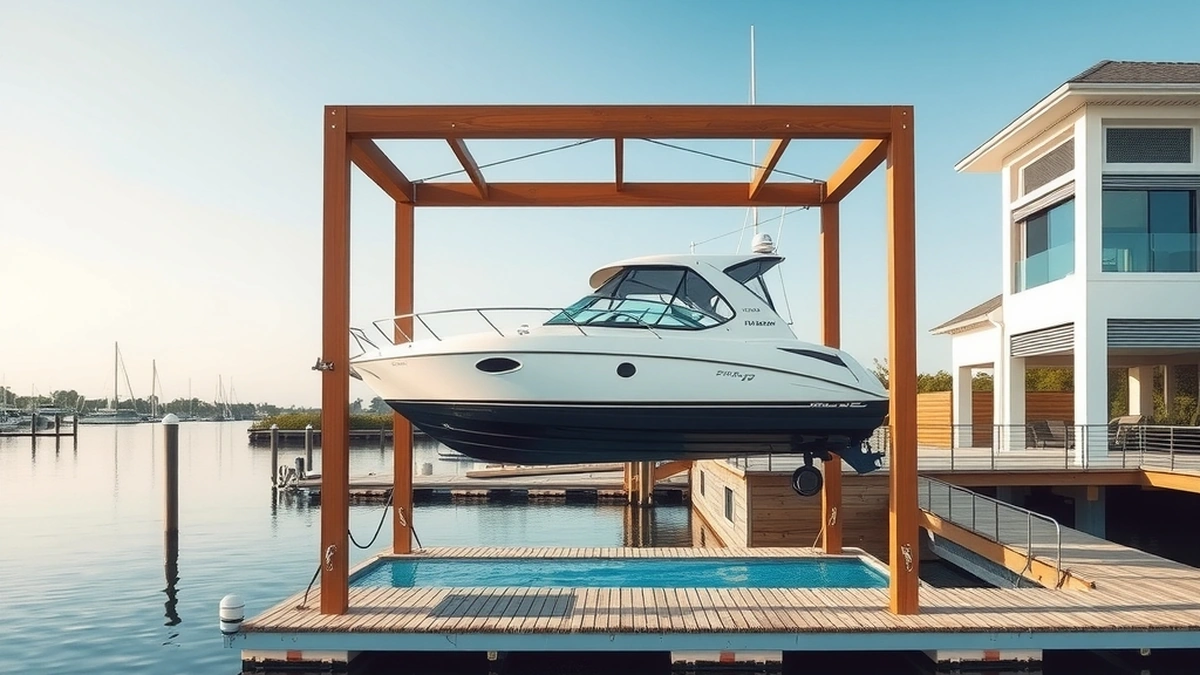
Choose a floating dock for deep water and easy boarding; choose a cradle lift for shallow water and hull protection under 4,000 pounds.
- Best for deep water
- Floating dock
- Best for shallow water
- Cradle lift
- Cradle lift cost (4,000 lb)
- $5,000–$12,000
- Dock construction cost
- $15,000–$60,000
- Installation cost
- $1,000–$3,000
Some links on this page are affiliate links.If you buy through them we may earn a commission at no extra cost to you. We do not accept payment for rankings. Read the full disclosure.
A floating dock sits at the water surface and moves with the tide, while a cradle lift raises a boat out of the water on a frame. Choose a floating dock when you have deep water and want easy boarding. Choose a cradle lift when water depth is limited and you want to keep the hull off the bottom between uses.
What Is a Floating Dock?
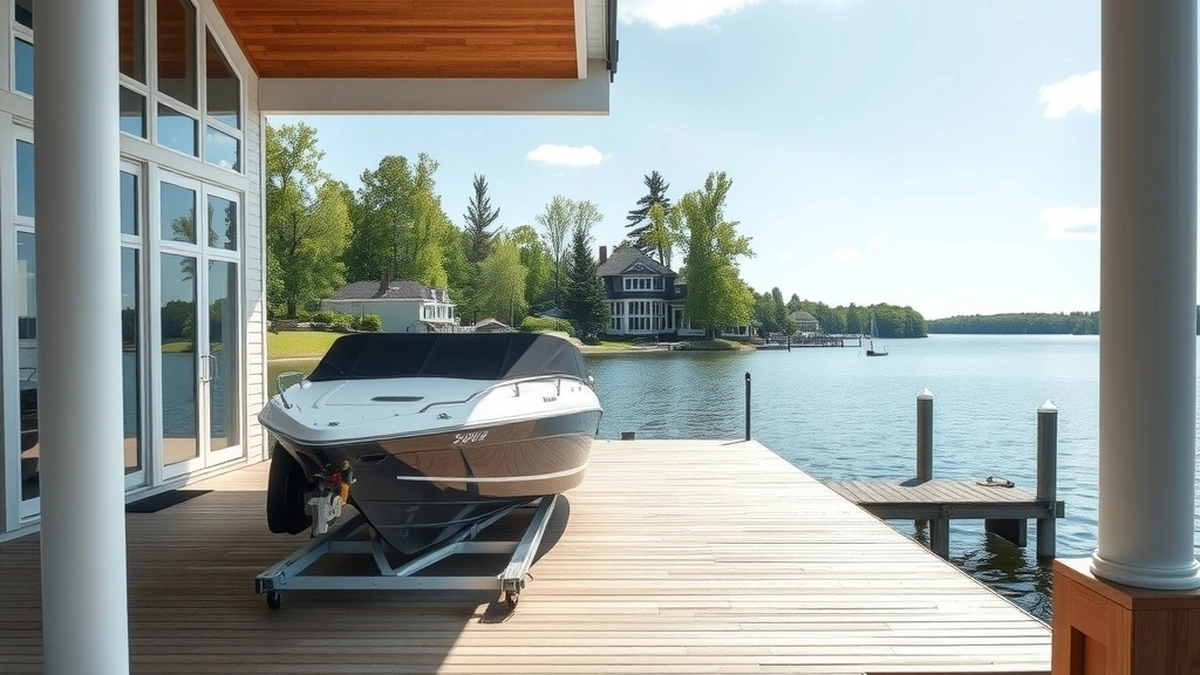
A floating dock is a buoyant platform anchored to the shoreline or seabed. It rises and falls with water level, so the deck stays at roughly the same height relative to your boat. Floating docks work well in deep water, tidal areas, and locations where the bottom changes seasonally. They are often used for boarding, swimming, and tying up boats rather than storing them out of the water.
Because a floating dock does not lift a boat, the hull remains in the water. That means exposure to marine growth, osmotic blistering, and hull osmosis over time. Owners in saltwater typically need bottom paint and regular cleaning. Floating docks also require enough water depth to float the dock itself and to keep the boat from resting on the bottom at low tide.
What Is a Cradle Lift?
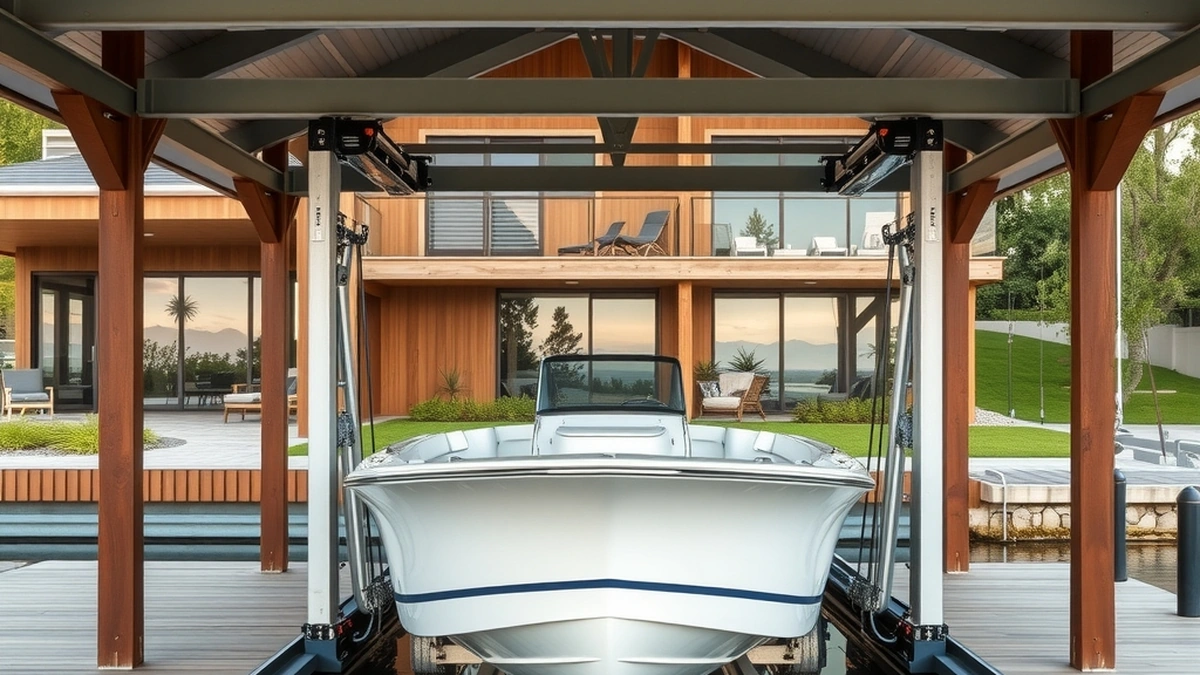
A cradle lift holds a boat on bunks or beams and raises it above the waterline. Cradles are common for smaller boats and personal watercraft because they protect the hull from water exposure and make bottom cleaning easier. A 4,000 lb cradle lift typically costs between $5,000 and $12,000, depending on material, drive type, and options.
Capacity matters more than brand. If your boat weighs 3,200 pounds with fuel, gear, and water, you need a lift rated above that number. A 4,000 lb cradle gives you an 800 pound margin, which is about 20 percent. Operating at or near capacity shortens cable and motor life. For a 10,000 lb boat, an elevator-style lift can cost $12,000 to $25,000, while hydraulic systems often run $15,000 to $35,000.
Capacity and Water Depth First
Boat Lift Lab ranks capacity and water depth before brand because those two factors determine whether a system will work at all. Use the table below as a starting point, not a final specification.
| Feature | Floating Dock | Cradle Lift |
|---|---|---|
| Boat stays out of water | No | Yes |
| Typical capacity limit | Dock load rating | 1,500 to 25,000+ lb by model |
| Minimum water depth | Deep enough to float dock and boat | Shallow; depends on cradle draft |
| Tidal adjustment | Automatic | Manual or motorized |
| Typical product cost | Included in dock construction | $5,000–$12,000 for 4,000 lb |
| Installation | $1,000–$3,000 typical | $1,000–$3,000 typical |
Water depth is measured at mean low water, not high tide. If your site has three feet of depth at low tide, a floating dock may bottom out unless the dock and boat draw less than that. A cradle lift needs only enough depth to float the boat onto the cradle and enough clearance to raise it above the bottom.
Cost Breakdown and Arithmetic
Costs separate quickly once you add installation and construction. A cradle lift alone is often less expensive than building a dock, but the total project depends on what already exists at your property.
Cradle lift example:
- 4,000 lb cradle lift: $5,000–$12,000
- Installation: $1,000–$3,000
- Total estimated range: $6,000–$15,000
Dock construction example:
- Dock construction: $15,000–$60,000
- Installation: $1,000–$3,000
- Total estimated range: $16,000–$63,000
If you already own a dock, adding a cradle lift may cost less than replacing the dock. If you have no dock and need deep-water access, dock construction becomes the larger line item. These figures are estimates. Site conditions, permits, electrical work, and removal of old structures can change the final price.
For load math, add the boat’s dry weight to fuel, water, and gear. A boat listed at 3,500 pounds dry might weigh 4,100 pounds ready to cruise. That puts it over a 4,000 lb cradle. Step up to the next capacity class or reduce the load. Never size a lift to the dry weight printed on a brochure.
Installation and Site Requirements
Installation usually takes one to three days for a cradle lift and longer for a full dock. Electrical service is required for motorized lifts. A standard 120V circuit may work for smaller lifts, while larger hydraulic systems often need 240V. A licensed electrician should confirm wire size, breaker rating, and grounding.
Soil conditions affect pilings and anchors. Sandy bottoms may need deeper pilings; rocky shorelines may limit anchor placement. Floating docks need anchor points that can handle wave and wind loads. Cradle lifts need a level mounting surface and enough clearance above the cradle to raise the boat without hitting a boat house roof or overhead wires.
Permits vary by state and county. Some jurisdictions regulate dock size, setbacks, and navigation hazards. Check local requirements before ordering. For more on the installation process, see our guide to boat lift installation.
Maintenance and Longevity
Floating docks need float checks, anchor line inspection, and deck cleaning. Wood or composite decking can rot or fade. Aluminum frames last longer but cost more upfront. In freezing climates, dock owners sometimes remove sections or install ice eaters to prevent damage.
Cradle lifts need cable inspection, bunk padding replacement, and motor or drive maintenance. Cables wear from friction and corrosion. Replace them before they fray. Saltwater lifts should be rinsed after use. Bunks should be checked for rot or UV damage. If a lift starts making noise or raising unevenly, schedule service before a failure drops the boat. Our boat lift repair and boat lift maintenance guides cover common service intervals.
Which One Should You Choose
Pick a floating dock if you have deep water, want to board directly from the dock, and do not need to store the boat out of the water. Pick a cradle lift if your water is shallow, you want hull protection, and your boat fits within a standard lift capacity. Capacity and water depth come first. Brand comes second.
If you are still deciding between a lift and a dock structure, read boat lift vs boat dock. For budget context, see how much does boat lift cost and boat lift cost per square foot.
Frequently asked questions
What is the main difference?
A floating dock stays at water level for boarding, while a cradle lift raises the boat out of the water on bunks or beams.
Which works in shallow water?
A cradle lift works better in shallow water because it does not rely on deep water to float a dock structure.
What does a 4,000 lb cradle lift cost?
A 4,000 lb cradle lift typically costs between $5,000 and $12,000, not including installation.
How much does dock construction cost?
Dock construction typically ranges from $15,000 to $60,000 depending on size, materials, and site conditions.
Do I need permits for either option?
Yes, waterfront structures often require local or state permits; check with your municipality before installation.
How often should I maintain a boat lift?
Inspect cables, bunks, and motors at least once per season and flush saltwater systems after use in coastal areas.
Sources
Some links are affiliate links.If you buy through them we may earn a commission at no extra cost to you. We do not accept payment for rankings. Read the full disclosure.