Common PWC Lift Problems and Fixes
A practical guide to the most frequent PWC lift problems, causes, and what repairs typically cost.
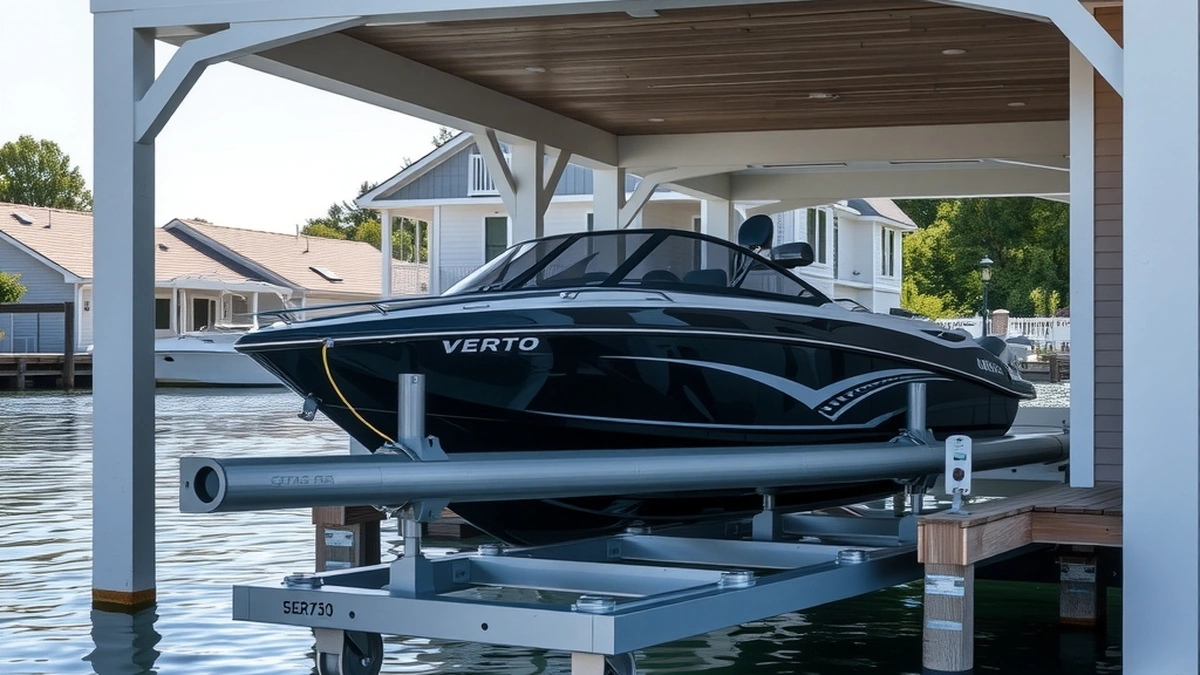
Most PWC lift problems come from cradle misalignment, cable wear, or motor failure, and many can be resolved with inspection, adjustment, or part replacement.
- Typical PWC lift cost
- $1,500-$5,000
- Typical installation cost
- $1,000-$3,000
- Common issues
- Cables, bunks, motors, alignment
- Best first step
- Check capacity and water depth
Some links on this page are affiliate links.If you buy through them we may earn a commission at no extra cost to you. We do not accept payment for rankings. Read the full disclosure.
PWC lift problems usually fall into a few predictable categories: worn cables, damaged bunks, motor or drive issues, and cradle misalignment. Most of these issues show up as difficulty loading, uneven lifting, or unusual noises during operation. Addressing them early prevents damage to the personal watercraft and the lift itself.
Start by confirming that the lift matches your PWC weight and your site’s water depth. A standard PWC lift costs roughly $1,500-$5,000, while installation typically runs $1,000-$3,000. If you are comparing options, a cradle lift rated for 4,000 pounds costs about $5,000-$12,000, an elevator lift for 10,000 pounds runs $12,000-$25,000, and hydraulic systems range from $15,000-$35,000. Those larger capacities are overkill for most PWCs, but they matter if the lift will also handle a small boat.
Worn or Frayed Cables
Cables carry the full weight of the PWC, so wear here is a safety issue. Look for broken strands, kinks, rust, or cable that has slipped out of its drum groove. A cable that squeaks or chatters during lifting is often nearing the end of its service life.
Replace cables in pairs when possible, and match the manufacturer’s diameter and material rating. Do not attempt to splice a frayed cable or continue operating with visible broken wires. If you are unsure about load ratings, review the lift’s capacity plate before ordering parts.
Cracked or Shifted Bunks
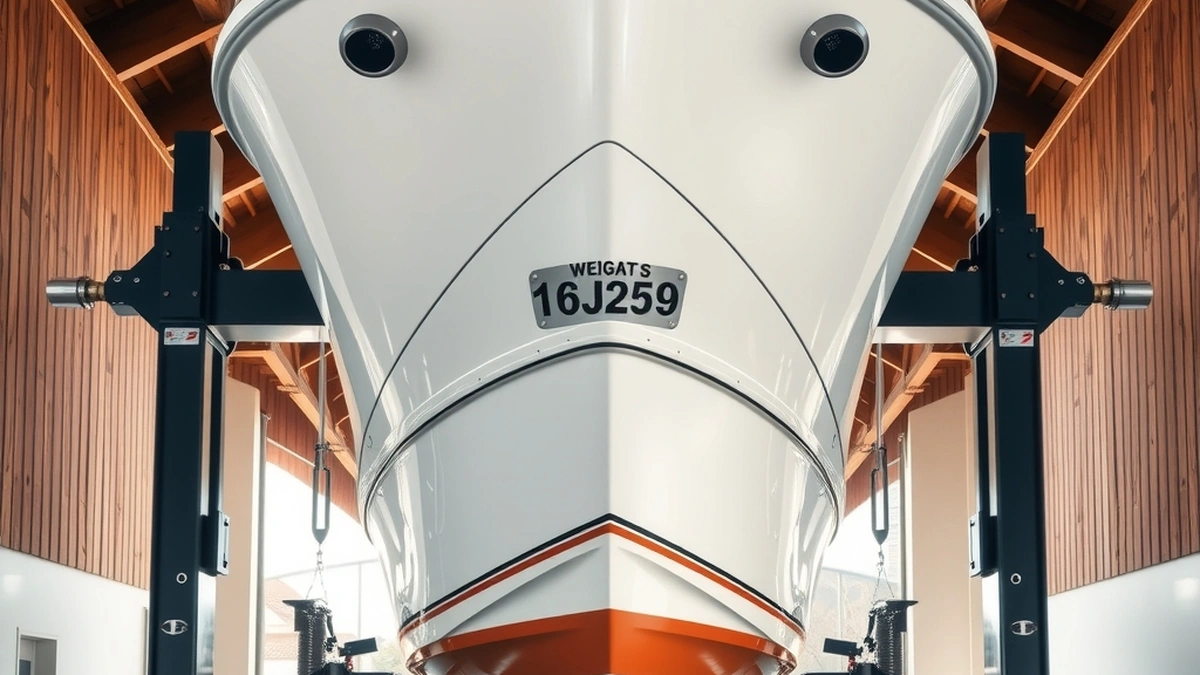
Bunks support the hull while the PWC sits on the lift. Over time, UV exposure and repeated loading can crack the wood or polymer, and the carpet or padding can wear through, leaving the hull exposed to abrasion. Bunks can also shift sideways, which causes the PWC to sit crooked and puts uneven stress on the frame.
Inspect bunk fasteners each season. Tighten loose bolts and replace cracked or rotted lumber. If the PWC leans when raised, check whether one bunk has settled lower than the other. Realigning bunks is usually a straightforward adjustment, but it should be done with the PWC off the lift and the cradle supported.
Motor and Drive Failures
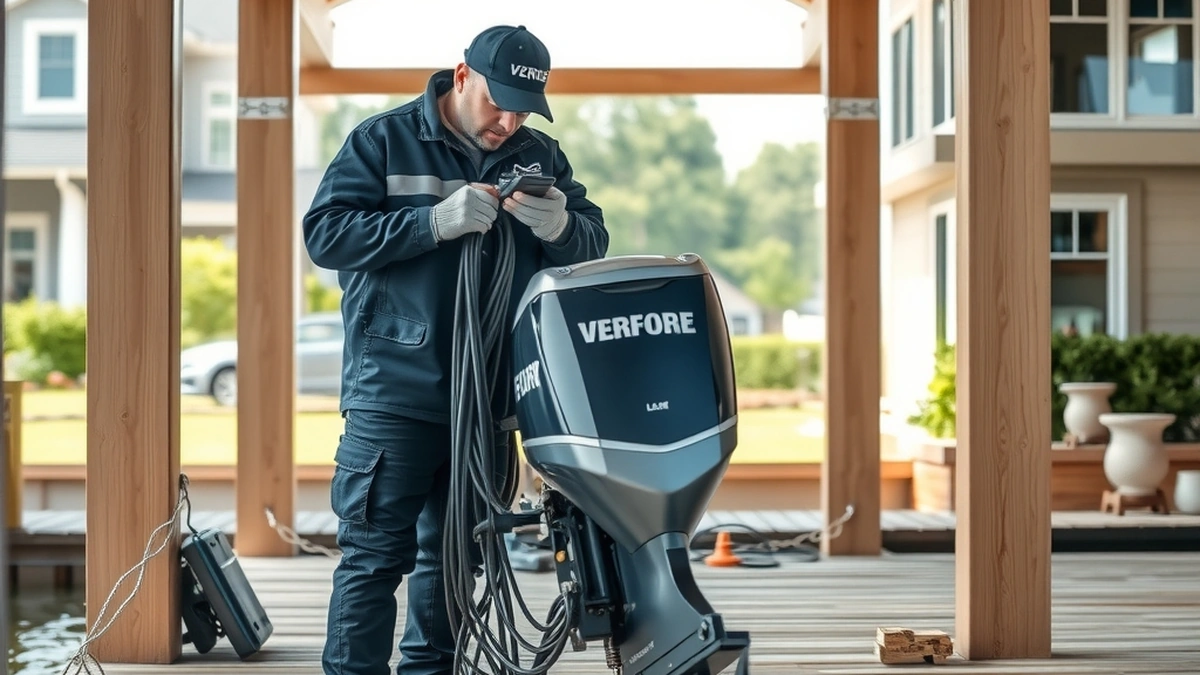
Electric PWC lifts rely on a motor, gearbox, or drive system to raise and lower the cradle. Common failure points include burnt-out motors, stripped gears, and worn solenoids. Symptoms include slow lifting, intermittent operation, or complete failure to move.
Check the power supply and breaker before assuming the motor is dead. A tripped breaker or loose wire can mimic a motor failure. If the motor runs but the lift does not move, the drive coupling or gearbox may be at fault. Motor replacement is often more practical than rewinding an old unit, and the work should match the lift’s voltage and duty cycle.
Cradle Misalignment
A crooked cradle makes loading frustrating and can scrape the PWC hull. Misalignment often traces back to uneven cable tension, a bent frame, or dock pilings that have shifted over time. In tidal areas, changing water levels can also expose alignment problems that were hidden at high tide.
Measure the distance from each cradle corner to a fixed dock point. If the measurements differ, adjust cable tension or shim the frame as the manufacturer directs. Persistent leaning after adjustment may indicate structural damage that requires professional evaluation.
Noisy or Rough Operation
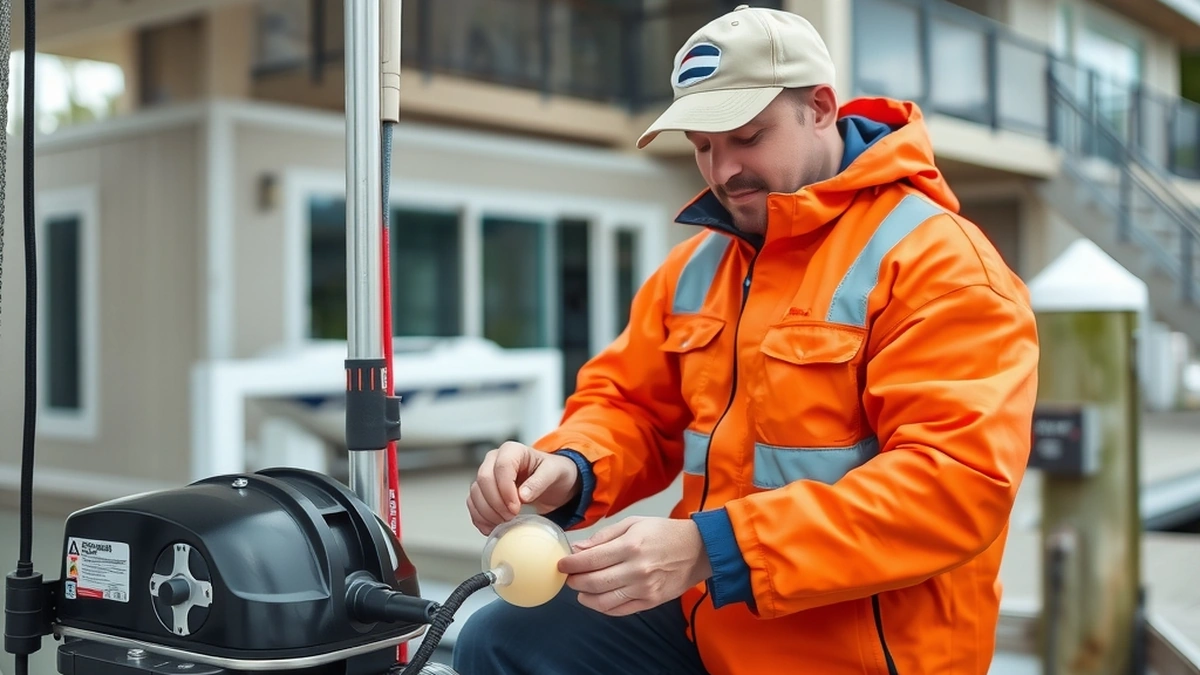
Grinding, squealing, or jerking during lift operation usually means dry bearings, misaligned pulleys, or debris in the track. Lubricate moving parts according to the manual, using marine-grade grease or spray where recommended. Clear out sand, shells, and plant matter that can jam guides or sheaves.
If noise persists after lubrication, inspect for bent track or worn rollers. Continuing to operate a noisy lift can turn a minor bearing issue into a bent frame or snapped cable.
Cost Context and Alternatives
Repair costs vary widely by part and labor. A cable replacement might be a modest parts expense, while a new motor or frame section approaches the cost of a replacement lift. Because a new PWC lift runs $1,500-$5,000 plus $1,000-$3,000 for installation, major structural repairs on an older unit are often not worth it.
If your needs have grown beyond a single PWC, consider whether a larger cradle lift or elevator lift fits your dock and budget. A dock itself can cost $15,000-$60,000 to construct, so the lift should match the dock’s capacity and the water depth at your site. For more on pricing, see how much a boat lift costs, and for installation factors, review boat lift installation guidance.
Prevention and Maintenance
Inspect the lift at the start of each season and after major storms. Check cable condition, bunk padding, bolt tightness, and motor operation. Rinse saltwater residue from metal parts, and keep the cradle clear of debris. Regular maintenance extends service life and catches small problems before they become safety hazards.
For ongoing care, refer to boat lift maintenance best practices. If a repair is beyond basic adjustments, a qualified technician can assess whether the lift should be fixed or replaced. Additional help is available through boat lift repair resources.
When shopping for a replacement or comparing lift types, consult best boat lift options and the boat lift versus boat dock overview. If you prefer to handle the project yourself, the DIY boat lift guide covers planning considerations. For dock sizing and cost per area, see boat lift cost per square foot.
Capacity and water depth come first; brand comes second. A properly sized lift with sound cables, intact bunks, and a functioning motor will keep your PWC out of the water and ready to ride.
Next, compare how much does boat lift cost, boat lift installation, boat lift repair before you commit.
Frequently asked questions
What are the most common PWC lift problems?
The most frequent PWC lift problems include worn cables, cracked or shifted bunks, motor or drive failures, and cradle misalignment that makes loading difficult.
How much does a PWC lift cost?
A PWC lift typically costs $1,500-$5,000 for the unit, with installation adding another $1,000-$3,000 depending on dock conditions and water depth.
Can I fix a PWC lift myself?
Minor adjustments such as bunk realignment and cable inspection are often DIY-friendly, but motor or structural repairs should be handled by a qualified technician.
How often should I inspect my PWC lift?
Inspect the lift at least once per season and after major storms, checking cables, bunks, bolts, and motor operation for wear or loose hardware.
What causes a PWC lift to lean to one side?
A lift usually leans because of uneven bunk wear, a loose or stretched cable on one side, or settling dock pilings that change the frame angle.
When should I replace rather than repair a PWC lift?
Replace the lift if the frame has significant corrosion, repair costs approach the price of a new unit, or the lift no longer matches your PWC weight and water depth.
Sources
Some links are affiliate links.If you buy through them we may earn a commission at no extra cost to you. We do not accept payment for rankings. Read the full disclosure.