Common Hydraulic Problems on Boat Lifts
How to identify and address hydraulic problems on boat lifts, including leaks, slow lifts, and repair cost estimates.
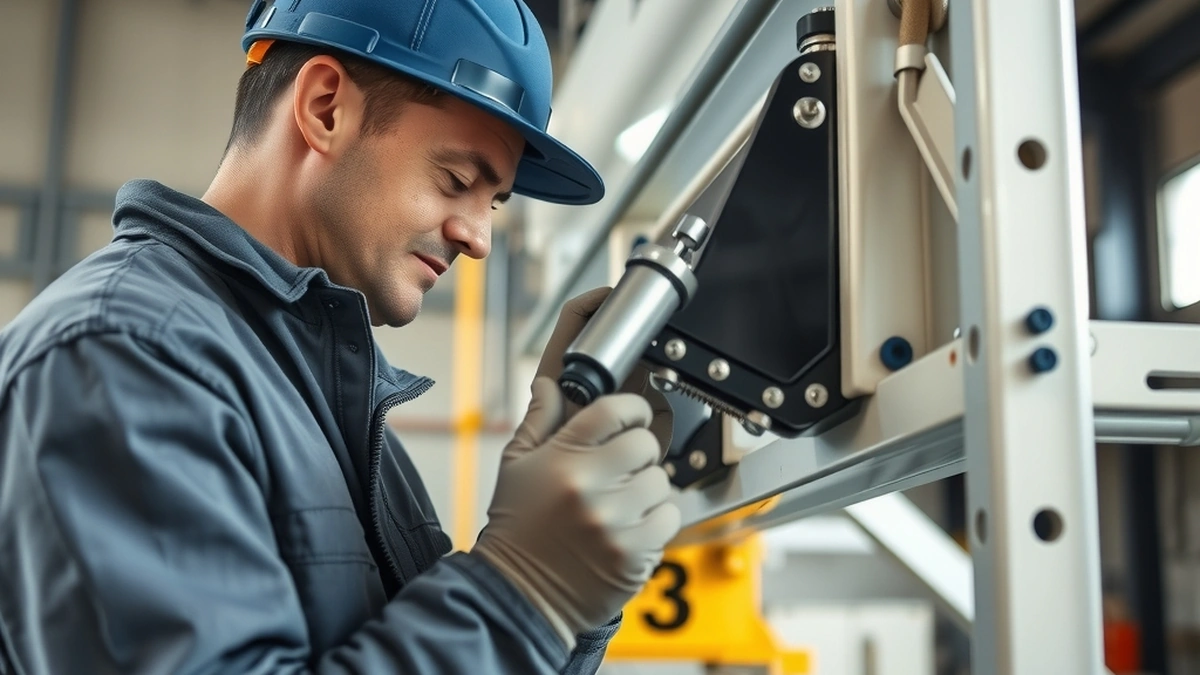
Hydraulic problems on boat lifts usually mean leaking seals, low fluid, worn cylinders, or pump failure; most require inspection and seal or cylinder replacement.
- Typical issue
- Leaking seals or cylinders
- Common symptom
- Slow or uneven lift
- Repair estimate
- $300–$1,500+
- Fluid check interval
- Every 3–6 months
Some links on this page are affiliate links.If you buy through them we may earn a commission at no extra cost to you. We do not accept payment for rankings. Read the full disclosure.
Hydraulic problems on boat lifts usually show up as slow raising, uneven cradles, oil under the unit, or a lift that will not hold height. These issues typically stem from leaking seals, low or contaminated hydraulic fluid, worn cylinders, or pump and motor wear. Addressing them early can prevent damage to your boat, dock, and lift structure.
What Hydraulic Problems Look Like
Boat lifts that use hydraulic power rely on fluid pressure to raise and lower the cradle. When something goes wrong, the symptoms are usually easy to spot if you know what to check.
Common signs include:
- The lift raises slower than it did when new
- One side of the cradle rises higher than the other
- The boat settles downward after the lift reaches height
- Oily residue or puddles beneath the cylinders, hoses, or pump
- Whining or straining noises from the pump motor
- Low fluid level in the reservoir
Any of these symptoms means the hydraulic system is not maintaining pressure. The cause could be external, such as a leaking hose, or internal, such as worn seals inside a cylinder.
Leaking Seals and Cylinders
Seals are the most frequent failure point in a hydraulic lift system. A cylinder seal keeps fluid inside the barrel so pressure can push the ram outward. When the seal wears, fluid bypasses the ram and the lift loses holding power.
A slow leak might not leave a puddle right away. You may notice the cradle drops a few inches overnight or that the pump runs more often than usual. A larger leak leaves visible oil on the dock or beneath the lift.
Cylinder damage can also come from scored rams. If dirt or salt gets past the wiper seal, it can scratch the chrome rod. That scratch then chews up the new seal shortly after replacement, so the rod surface should be inspected during any seal job.
Low or Contaminated Fluid
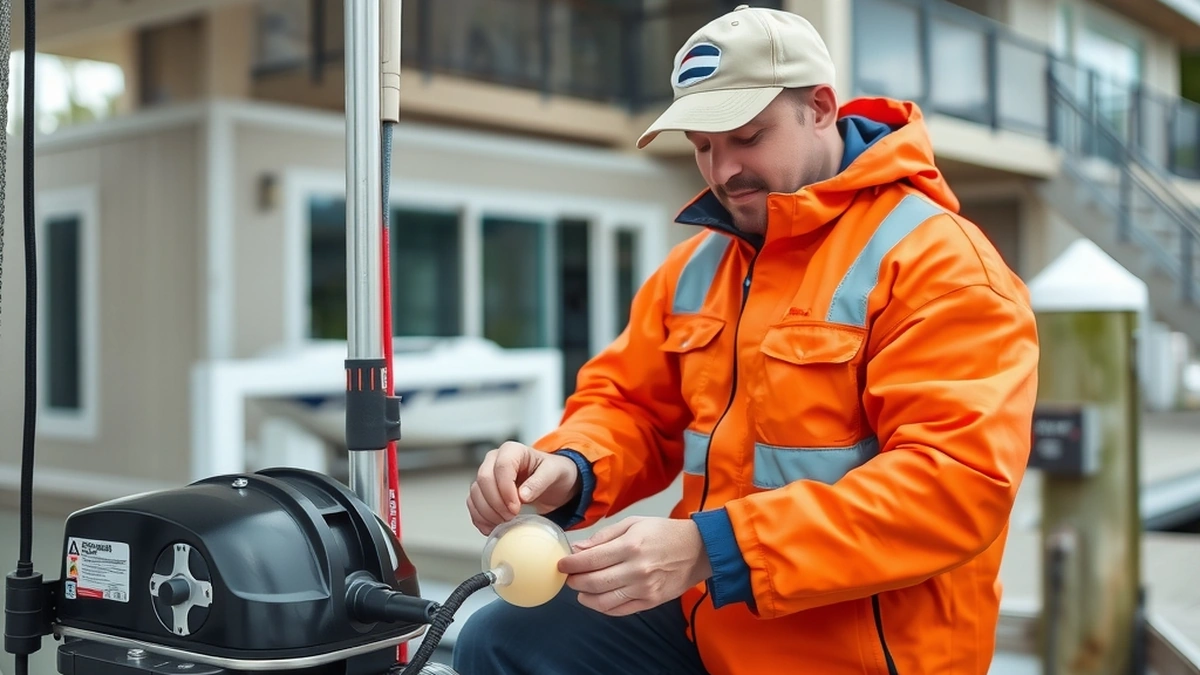
Hydraulic systems need the correct fluid level and clean fluid to operate. Low fluid lets air into the pump, which causes cavitation, noise, and reduced lift capacity. Contaminated fluid, whether from water intrusion or old degraded oil, wears internal components faster.
Check the reservoir with the lift fully lowered, unless the manufacturer specifies otherwise. Top off with the exact fluid type listed in the owner’s manual. Mixing fluid types can damage seals and reduce performance.
If the fluid looks milky, water has entered the system. That often means a failed seal or a reservoir breather that allowed moisture in. Water-contaminated fluid should be drained and replaced, and the entry point found and repaired.
Pump and Motor Issues
The hydraulic pump moves fluid from the reservoir to the cylinders. Electric motor problems can look like hydraulic problems because the lift will not move or moves weakly. Before assuming the pump is bad, check electrical connections, battery voltage on DC units, and breaker or fuse status.
If the motor runs but the lift does not move, the pump may have an internal leak or a failed relief valve. Pump replacement is more involved than seal work and typically requires disconnecting hoses, removing the old unit, and bleeding air from the system after installation.
Cost Estimates for Repairs
Repair costs vary by lift size, accessibility, and whether you need seals, cylinders, or a pump. These figures are estimates and should be confirmed with a local marine service provider.
| Repair type | Estimated parts and labor |
|---|---|
| Seal replacement, one cylinder | $300–$700 |
| Cylinder replacement | $800–$1,500 |
| Pump or motor replacement | $1,000–$2,500 |
| Full hydraulic system service | $1,500–$3,500 |
For context, a new 4,000 lb cradle lift typically costs $5,000–$12,000, while a 10,000 lb elevator lift runs $12,000–$25,000. Dedicated hydraulic lifts can range from $15,000–$35,000. If repair costs approach half the price of a replacement lift, especially on an older unit, replacement may be the better value.
Installation for a new lift generally adds $1,000–$3,000, and dock construction, if needed, can run $15,000–$60,000. Those numbers matter when you are weighing repair versus replacement for an older hydraulic lift.
Load and Safety Math
Hydraulic cylinders are rated by bore size, rod diameter, and operating pressure. You should never exceed the lift’s rated capacity. For example, a 4,000 lb cradle lift carrying a 3,200 lb boat plus 400 lb of gear and fuel is at its 3,600 lb practical working limit if you apply a 10 percent safety margin.
Calculation:
- Boat: 3,200 lb
- Gear and fuel: 400 lb
- Total: 3,600 lb
- Rated capacity: 4,000 lb
- Remaining margin: 400 lb, or 10 percent
If you add a larger engine, a full tank, or weekend gear, you can exceed capacity quickly. Overloading a hydraulic lift stresses seals and cylinders, which accelerates the very problems this article covers.
Never stand under a raised cradle while inspecting hydraulic lines. If the lift must stay raised for service, use mechanical lockouts or blocks rated for the load. Hydraulic fluid under pressure can cause injection injuries, and a sudden cylinder failure can drop a boat without warning.
Maintenance Schedule
Regular checks catch hydraulic problems before they become expensive failures. A basic schedule looks like this:
- Monthly: Visual check for oil under the lift, hoses, and cylinders.
- Every 3 months: Check fluid level and condition; inspect wiper seals for dirt or salt buildup.
- Every 6 months: Test lift speed and holding height with the rated load on the cradle.
- Annually: Have a technician inspect pump pressure, relief valve operation, and cylinder rod condition.
If you boat in salt water, rinse exposed cylinder rods with fresh water after use. Salt residue speeds up seal wear and pitting on chrome surfaces.
When to Replace Instead of Repair
Hydraulic lifts last many years, but repeated repairs add up. Consider replacement if:
- The lift has required major hydraulic repairs in two or more consecutive seasons
- Cylinder bores are pitted or scored beyond honing
- The pump or motor is obsolete and parts are unavailable
- The lift frame shows corrosion or structural cracks
A new PWC lift costs $1,500–$5,000, while larger cradle and elevator systems fall in the ranges noted above. Installation adds $1,000–$3,000. If your dock also needs work, dock construction can run $15,000–$60,000. Those figures help you decide whether sinking money into an old hydraulic system makes sense.
For help comparing lift types, see our guide on how much a boat lift costs. If you are planning a new unit, our boat lift installation overview covers site prep and permitting basics. Existing lift owners can find upkeep steps in our boat lift maintenance article.
Hydraulic problems rarely fix themselves. A leaking seal today becomes a failed cylinder tomorrow, and a failed cylinder can drop your boat onto the dock or into the water. Check fluid levels, watch for oil, and service the system on schedule to keep your lift reliable season after season.
Frequently asked questions
What causes hydraulic problems on boat lifts?
Most hydraulic problems come from leaking seals, low fluid levels, contaminated fluid, worn cylinders, or pump and motor wear.
How do I know if my lift has a hydraulic leak?
Look for puddles or oily film under the lift, dropping fluid levels, or a cradle that sinks while holding a boat.
Can I fix hydraulic problems myself?
Minor fluid top-offs and visual checks are DIY-friendly, but seal and cylinder replacement should be done by a qualified technician.
How much does hydraulic lift repair cost?
Minor repairs often run $300–$700, while cylinder or pump replacement can reach $1,000–$2,500 depending on lift size and labor.
How often should hydraulic fluid be checked?
Check fluid level and condition every 3 to 6 months, and replace it according to the lift manufacturer’s schedule.
What happens if I ignore hydraulic problems?
Ignoring leaks can lead to cylinder damage, pump failure, uncontrolled lowering, and potential damage to your boat or dock.
Sources
Some links are affiliate links.If you buy through them we may earn a commission at no extra cost to you. We do not accept payment for rankings. Read the full disclosure.