Hydraulic Maintenance for Boat Lifts
A practical guide to hydraulic maintenance for boat lifts, including fluid checks, leak inspection, and service intervals.

Check hydraulic fluid monthly, inspect cylinders and hoses quarterly, and replace fluid every 12 to 24 months to prevent leaks and lift failure.
- Fluid check interval
- Monthly
- Cylinder and hose inspection
- Quarterly
- Fluid replacement
- Every 12-24 months
- Typical hydraulic lift cost
- $15,000-$35,000
Some links on this page are affiliate links.If you buy through them we may earn a commission at no extra cost to you. We do not accept payment for rankings. Read the full disclosure.
Hydraulic maintenance keeps a boat lift operating safely under load. It centers on fluid condition, cylinder and hose integrity, pump function, and valve operation. Skipping it risks slow lifting, uneven cradle movement, or a dropped boat.
What Hydraulic Maintenance Covers
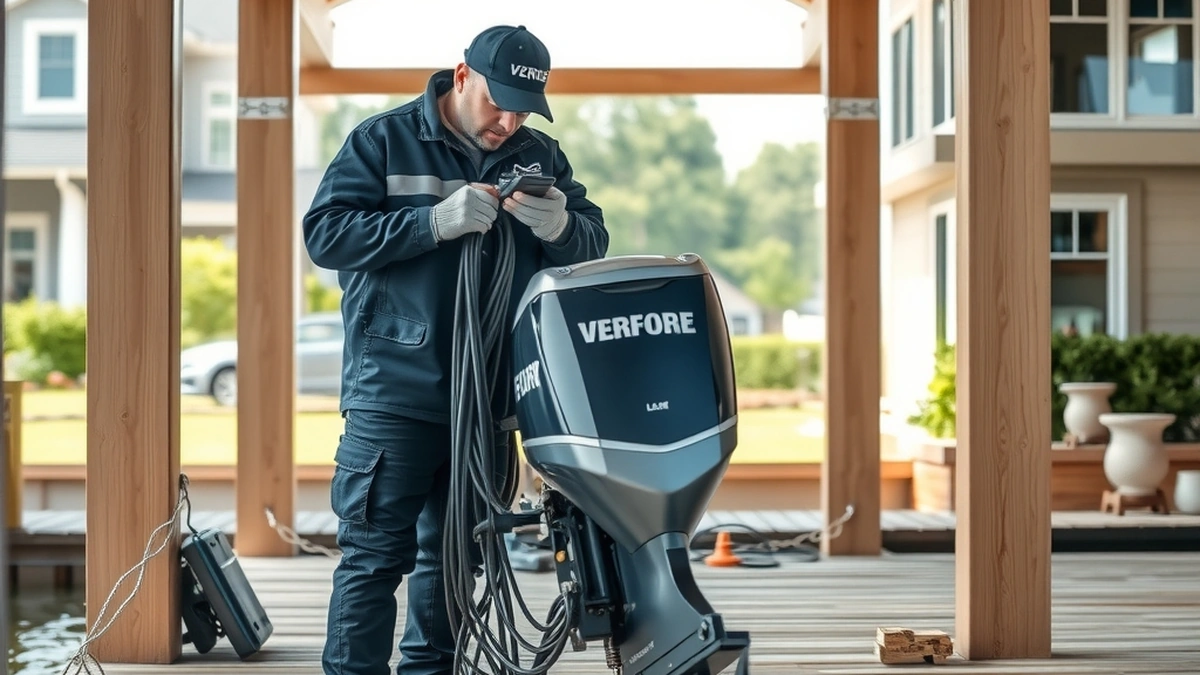
Hydraulic maintenance is the routine care of a lift’s fluid power system. The core tasks include checking fluid level and condition, inspecting cylinders and hoses for leaks, examining fittings and seals, testing pump pressure, and verifying that valves hold position under load. Most residential boat lifts use a hydraulic pump to push fluid into cylinders that raise and lower the cradle. When fluid is low, contaminated, or leaking, the system loses pressure and cannot support the rated weight.
Start with the owner’s manual. It specifies fluid type, fill level, service intervals, and torque values for fittings. If you do not have the manual, contact the manufacturer or a qualified service provider before adding fluid or adjusting components.
Monthly Fluid Checks
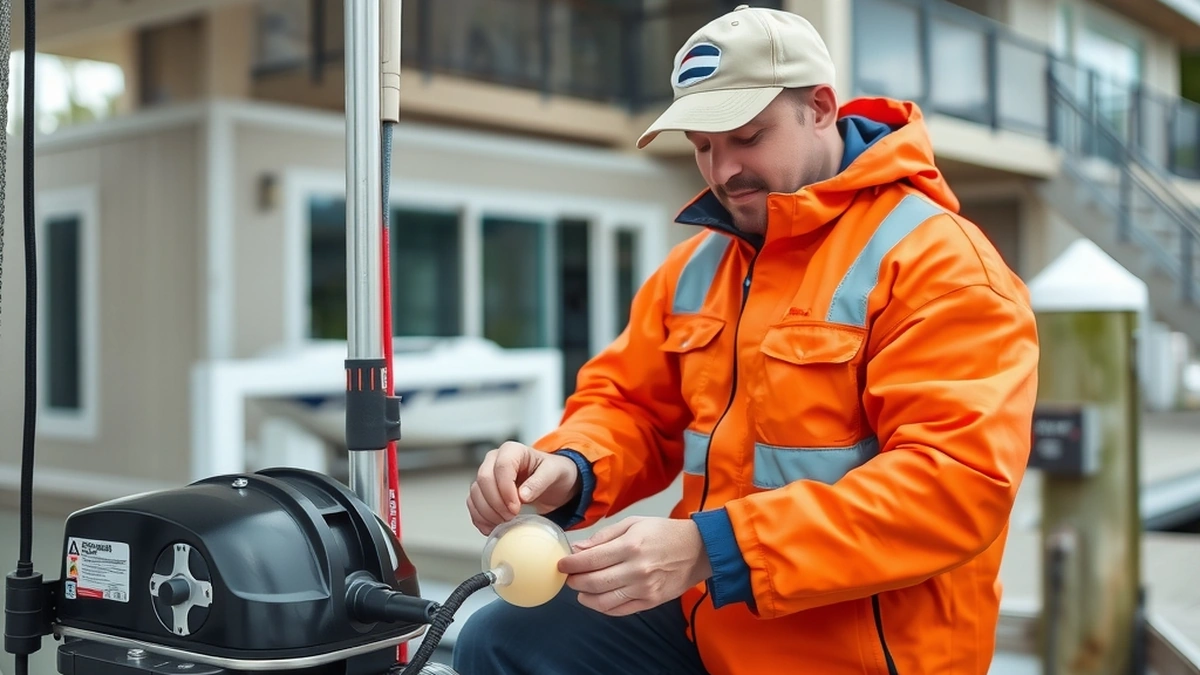
Check hydraulic fluid at least once a month during the boating season. Look at the reservoir sight glass or dipstick with the cradle fully lowered, unless the manual states otherwise. Fluid should be at the marked line and appear clean. Milky fluid suggests water contamination. Dark or gritty fluid indicates oxidation or internal wear.
Top up only with the exact fluid type listed in the manual. Mixing hydraulic fluids can change viscosity and damage seals. Do not overfill. A reservoir that is too full can push fluid past seals when the system warms up.
If you find yourself adding fluid every month, you have a leak. Find it before operating the lift under load.
Quarterly Cylinder and Hose Inspection
Inspect cylinders, hoses, and fittings every three months. Look for:
- Fluid weeping around cylinder rod seals
- Cracks, abrasions, or bulges in hydraulic hoses
- Loose or corroded fittings
- Dented or scored cylinder rods
- Puddles or stains on the lift frame or dock surface
A small drip can become a sudden failure under a 4,000-pound boat. For context, a cradle lift rated for 4,000 pounds typically costs $5,000-$12,000, while a hydraulic lift system generally ranges from $15,000-$35,000. Protecting that investment starts with catching a $20 hose problem before it becomes a cylinder replacement.
Wipe fittings dry and check them again after a lift cycle. Some leaks only appear under pressure.
Fluid Replacement Intervals
Replace hydraulic fluid every 12 to 24 months, or sooner if the manual requires it. Heat, moisture, and particle contamination break down fluid over time. Old fluid loses lubricity and can cause pump wear or valve sticking.
To change fluid, lower the cradle fully, depressurize the system according to the manual, and drain the reservoir. Replace the filter if equipped. Refill with clean fluid to the correct level, then cycle the lift several times without a boat to bleed air from the lines. Air in the system causes spongy or uneven movement.
Label estimates vary by climate and usage. A lift in saltwater with daily cycles may need more frequent service than a freshwater lift used on weekends.
Load and Pressure Arithmetic
Hydraulic systems must handle the boat’s weight plus the lift’s own dead load. Show the math before assuming a lift is adequate.
Example: A boat weighs 3,200 pounds. Fuel, water, and gear add roughly 400 pounds. Total working load is 3,600 pounds.
3,200 lb + 400 lb = 3,600 lb
A 4,000-pound cradle lift handles this with a 400-pound margin. That margin shrinks quickly if you add a tower, wakeboard racks, or extra ballast. Always size for the heaviest realistic configuration, not the dry weight listed on the boat’s brochure.
System pressure depends on cylinder bore and required force. A technician with a pressure gauge can verify that the pump produces the rated pressure. If pressure is low, the lift may raise slowly or drift downward under load.
Common Problems and What They Mean
Slow lifting often means low fluid, a clogged filter, or a worn pump. Uneven cradle movement usually points to a cylinder seal leak or air in one line. Drift—when the cradle settles after reaching height—typically indicates a valve that will not hold or a cylinder seal bypassing fluid.
Do not chase symptoms by adding fluid repeatedly. If the lift cannot hold its position, remove the boat and service the system. Operating a leaky hydraulic lift under load is a safety risk.
Environmental responsibility matters too. Hydraulic fluid is a petroleum product. Use drip pans during service, capture old fluid in a sealed container, and dispose of it through a local recycling or hazardous waste program. Do not drain fluid into the water or onto the ground.
When to Call a Professional
Owners can handle fluid checks, visual inspections, and topping off with the correct fluid. Cylinder resealing, hose replacement, pump service, and pressure testing should follow manufacturer procedures. If you are not confident in depressurizing the system safely, hire a qualified marine lift technician.
For broader context on lift pricing and installation, see our guides on how much a boat lift costs and boat lift installation. If you already have a leak or performance issue, our boat lift repair overview covers common failure points and service options.
Seasonal and Long-Term Care
Before winter storage, cycle the lift several times, top off the fluid, and inspect all hoses. In freezing climates, follow the manual for cold-weather fluid requirements. When you relaunch in spring, check fluid again before the first lift and watch for sluggish movement during the first few cycles.
Keep a simple log: date, fluid level, condition, leaks found, and service performed. A one-page record helps you spot trends and supports warranty claims if a component fails prematurely.
Hydraulic maintenance is not complicated, but it is unforgiving of neglect. A monthly fluid check and quarterly visual inspection take minutes and can prevent a costly drop or mid-season failure.
Frequently asked questions
What is hydraulic maintenance on a boat lift?
Hydraulic maintenance means checking fluid levels, inspecting cylinders and hoses for leaks, replacing fluid on schedule, and keeping the pump and valves operating within manufacturer specifications.
How often should I check hydraulic fluid?
Check hydraulic fluid at least once a month during boating season and before the first lift of the year after winter storage.
What kind of fluid does a boat lift use?
Use the hydraulic fluid type specified in your lift owner's manual; using the wrong viscosity can damage seals, valves, and the pump.
Can I fix a hydraulic leak myself?
Minor tasks like tightening fittings may be within reach, but cylinder seal replacement and hose work should follow manufacturer guidance or go to a qualified technician.
How much does a hydraulic boat lift cost?
A hydraulic boat lift typically costs $15,000-$35,000, not including installation, which usually runs $1,000-$3,000 depending on site conditions.
What happens if I skip hydraulic maintenance?
Skipping maintenance can lead to low fluid, air in the lines, slow or uneven lifting, cylinder damage, and eventual lift failure under load.
Sources
Some links are affiliate links.If you buy through them we may earn a commission at no extra cost to you. We do not accept payment for rankings. Read the full disclosure.