Common Elevator Lift Problems and Fixes
A practical guide to diagnosing and repairing elevator boat lift problems, with cost estimates and maintenance tips.
Elevator lift problems usually involve cables, motors, or alignment. Expect repair costs between $1,000 and $3,000 for most common issues.
- Typical lift capacity
- 10,000 lb
- Equipment cost range
- $12,000–$25,000
- Installation cost range
- $1,000–$3,000
- Common failure points
- Cables, motor, alignment
Some links on this page are affiliate links.If you buy through them we may earn a commission at no extra cost to you. We do not accept payment for rankings. Read the full disclosure.
Elevator lift problems usually trace back to a few predictable failure points: worn cables, motor or drive issues, misaligned cradles, and hydraulic leaks. If your lift is drifting, stalling, or sitting unevenly, the cause is likely mechanical rather than mysterious. This guide covers the most common elevator lift problems, how to diagnose them, and what repairs typically cost.
What an Elevator Lift Is
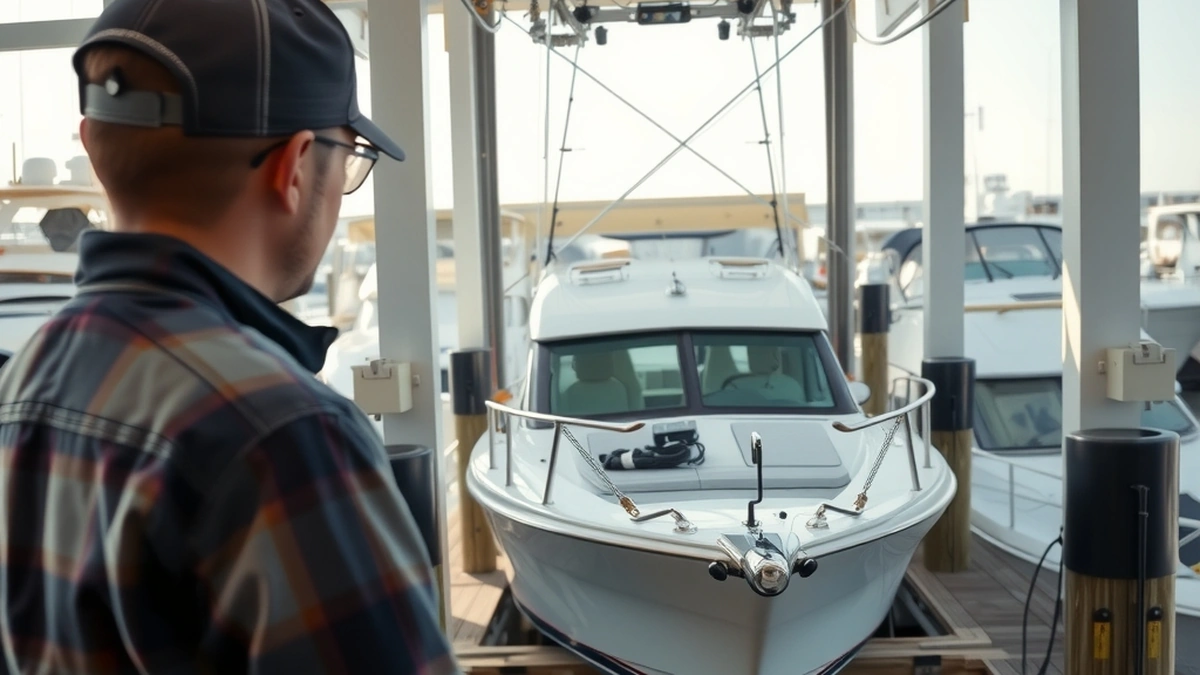
An elevator lift raises a boat vertically using a motor, cable or hydraulic system, and a cradle. Because the boat moves straight up and down, these lifts work well in fixed-depth water and tight slips. Capacity and water depth come first when selecting one; brand comes second.
A 10,000 lb elevator lift typically costs between $12,000 and $25,000 for the equipment. Installation adds another $1,000 to $3,000. For comparison, a cradle lift rated for 4,000 lb runs about $5,000 to $12,000, while a full hydraulic lift can range from $15,000 to $35,000. These figures are estimates and vary by region, dock conditions, and dealer.
Common Elevator Lift Problems
Most elevator lift problems fall into four categories. Knowing which system is failing helps you decide whether to call a technician or handle it yourself.
1. Worn or Frayed Cables
Cables carry the full weight of the boat. Over time, they develop broken strands, kinks, or corrosion. A cable that looks fuzzy or shows rust should be replaced before it snaps.
A 10,000 lb boat imposes serious tension. If a cable is rated for 10,000 lb and the boat weighs 8,500 lb with fuel and gear, the working load is already at 85 percent of capacity. Add a dynamic factor for wave movement, and the effective load can exceed the rating. Replacing a pair of lift cables typically costs several hundred dollars in parts plus labor.
2. Motor and Drive Failure
The electric motor turns the drum or pulley that winds the cable. Common symptoms include humming without lifting, intermittent operation, or a complete failure to start. Check the breaker, GFCI outlet, and wiring connections before assuming the motor is dead.
If the motor runs but the lift does not move, the issue may be a stripped gear, broken coupling, or a slipped clutch. Motor replacement or rewinding is generally not a DIY job because of electrical and lifting hazards.
3. Misaligned Cradle
When the cradle sits crooked, one side of the boat bears more weight than the other. This strains cables, bends cradle beams, and makes docking difficult. Misalignment often comes from uneven settling of pilings, loose bolts, or a cable that has stretched unevenly.
Measure the distance from the dock to each cradle corner at the same height. A difference of more than an inch or two suggests alignment work is needed. Tighten structural bolts and inspect the pilings or dock attachment points for rot or movement.
4. Hydraulic Leaks and Drift
Hydraulic elevator lifts use fluid pressure to hold position. If the lift slowly lowers after reaching height, the system is losing pressure. Common causes include worn seals, leaking cylinders, or a faulty check valve.
Place a piece of cardboard under the cylinders overnight. Fresh oil stains confirm a leak. Hydraulic repairs often require seal kits or cylinder replacement, and fluid should be disposed of according to local environmental guidelines.
Diagnostic Checklist
Use this list when troubleshooting an elevator lift:
- Listen for unusual grinding, whining, or clicking during operation.
- Inspect cables for broken strands, rust, or flattening.
- Check that the cradle is level when raised and lowered.
- Look for oil stains around hydraulic fittings and cylinders.
- Test the breaker, GFCI, and remote or switch operation.
- Observe whether the lift holds position for at least an hour at full height.
If more than one item on this list fails, schedule a professional inspection before using the lift again.
Repair Cost Estimates
Repair costs vary by problem and local labor rates. These are estimates, not quotes.
| Problem | Estimated Parts | Estimated Labor | Total Estimate |
|---|---|---|---|
| Cable replacement | $200–$600 | $300–$700 | $500–$1,300 |
| Motor repair or replacement | $800–$2,000 | $400–$800 | $1,200–$2,800 |
| Cradle realignment | $100–$300 | $300–$600 | $400–$900 |
| Hydraulic seal or cylinder repair | $300–$900 | $400–$900 | $700–$1,800 |
If repair costs approach half the price of a new lift, replacement may make more sense. A new 10,000 lb elevator lift costs $12,000 to $25,000, plus $1,000 to $3,000 for installation.
When to Replace Instead of Repair
Consider replacement when:
- The lift frame has significant rust or structural cracks.
- Cables have failed more than once in two years.
- The motor has been rewound or replaced previously.
- The lift no longer meets your boat’s current weight. A boat that weighed 7,000 lb when new may weigh 9,000 lb after adding engines, fuel, water, and gear.
Also compare against other lift types. A PWC lift costs $1,500 to $5,000, which is irrelevant for a 10,000 lb cabin cruiser but useful if you are downsizing. Dock construction runs $15,000 to $60,000, so lift decisions should be made alongside dock planning, not after.
Maintenance That Prevents Problems
Regular maintenance extends the life of an elevator lift and reduces emergency repairs.
- Lubricate cables and pulleys every few months during the boating season.
- Tighten cradle bolts and motor mounts at least twice per year.
- Rinse saltwater residue off metal components after use in coastal areas.
- Test the emergency lowering feature so you know it works if power fails.
- Schedule a professional inspection annually, especially for lifts over 10 years old.
For more on routine care, see our boat lift maintenance guide. If you already have a known issue, our boat lift repair overview covers common service scenarios. First-time buyers can review how much a boat lift costs to compare elevator models against cradle and hydraulic options.
Capacity and Safety
Never exceed the rated capacity of the lift. Weigh the boat with fuel, water, batteries, and gear. If a 10,000 lb lift is rated for 10,000 lb and your loaded boat weighs 9,800 lb, you have only 200 lb of margin. That is not enough for passengers boarding while the boat is on the lift or for water accumulation in the bilge.
If you frequently operate near the limit, step up to the next capacity tier. The jump from a 10,000 lb elevator lift to a larger model increases equipment cost, but it protects the structure and reduces wear on cables and motors.
Bottom Line
Elevator lift problems are usually mechanical and predictable. Cables wear out, motors fail, cradles shift, and hydraulic systems leak. Catching issues early through regular inspection prevents dropped boats and expensive damage. When repairs exceed roughly half the cost of a new unit, or when the frame is compromised, replacement is the safer choice.
For installation questions, see our boat lift installation guide. To compare lift types before buying, read our best boat lift overview. If you are considering doing the work yourself, our DIY boat lift article covers what is realistic for homeowners.
Boat Lift Lab is an independent US guide to boat lifts and docks. We prioritize capacity and water depth over brand names. All cost figures are estimates and should be confirmed with local dealers and installers.
Next, compare how much does boat lift cost, boat lift installation, boat lift repair before you commit.
Frequently asked questions
What are the most common elevator lift problems?
The most frequent elevator lift problems include frayed cables, motor failure, misaligned cradles, and hydraulic leaks. Regular inspection helps catch these issues early.
How much does an elevator boat lift cost?
A 10,000 lb elevator lift typically costs between $12,000 and $25,000 for the unit, with installation adding another $1,000 to $3,000.
How often should I service an elevator lift?
Inspect cables, pulleys, and motor mounts at least twice per season, and lubricate moving parts according to the manufacturer's schedule.
Can I fix elevator lift problems myself?
Minor adjustments and lubrication are DIY-friendly, but cable replacement and motor work should be handled by a qualified technician for safety.
What causes an elevator lift to drift down?
Drifting is usually caused by worn seals, leaking valves, or a failing motor brake. A pressure test can confirm where the leak originates.
How long does an elevator lift last?
With proper maintenance, an elevator lift can last 15 to 25 years, though cables and motors often need replacement sooner.
Sources
Some links are affiliate links.If you buy through them we may earn a commission at no extra cost to you. We do not accept payment for rankings. Read the full disclosure.