Corrosion: How to Prevent It on Boat Lifts and Docks
A practical guide to stopping corrosion on boat lifts, docks, and marine hardware using materials, coatings, and routine maintenance.
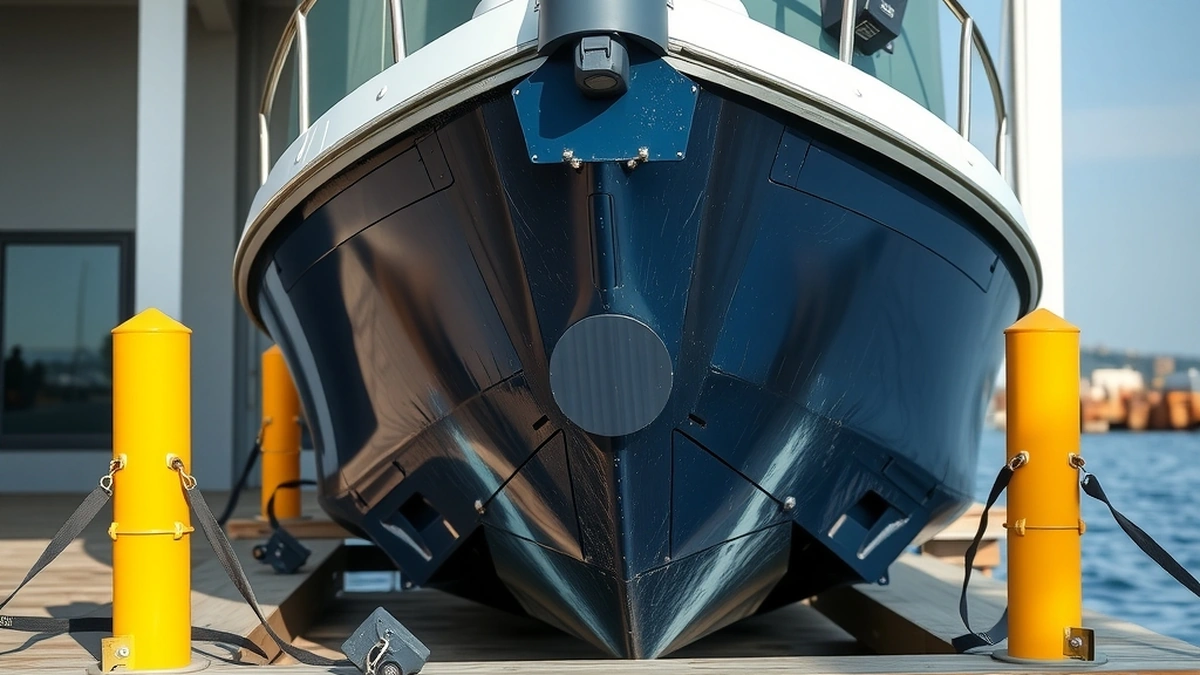
Prevent corrosion by matching metals, using sacrificial anodes, applying marine coatings, rinsing saltwater regularly, and inspecting lift components every season.
- Main cause
- Saltwater and dissimilar metal contact
- Best defense
- Sacrificial anodes and marine-grade coatings
- Inspection frequency
- At least once per season, after storms
- Typical anode replacement
- Every 1-3 years or when 50% consumed
Some links on this page are affiliate links.If you buy through them we may earn a commission at no extra cost to you. We do not accept payment for rankings. Read the full disclosure.
Corrosion is the gradual breakdown of metal caused by chemical reactions with water, oxygen, and salt. On boat lifts and docks, it appears as rust on steel, white powder on aluminum, and pitting around bolts and welds. You prevent it by isolating dissimilar metals, using sacrificial anodes, applying marine-grade coatings, and keeping hardware clean and dry.
Why Corrosion Happens on Boat Lifts
Boat lifts sit in one of the harshest environments for metal. Saltwater is an electrolyte that carries electrical current between metals, while oxygen drives oxidation. Freshwater causes corrosion too, but saltwater accelerates it significantly. The most aggressive form for lift owners is galvanic corrosion, which occurs when two different metals touch in water and one sacrifices itself to protect the other.
A steel lift frame bolted with stainless steel fasteners, for example, can corrode rapidly at the bolt holes because the steel becomes the anode in a galvanic cell. Aluminum cradles touching steel bunks suffer the same issue. Understanding which metals are in contact is the first step in stopping the damage.
Choose Compatible Metals From the Start
Not all metals behave the same in marine conditions. Carbon steel rusts easily unless coated or galvanized. Stainless steel resists corrosion but can pit in stagnant saltwater, especially lower grades. Marine-grade aluminum forms a protective oxide layer but corrodes quickly when connected directly to carbon steel or copper-based metals.
When building or replacing lift components, match metals where possible or isolate them with plastic or rubber bushings, nylon washers, or marine sealant. Avoid connecting aluminum directly to steel without a barrier. If you are unsure what metals your lift contains, check the manufacturer’s specifications or inspect welds, fasteners, and cable fittings during your next maintenance cycle.
Install and Maintain Sacrificial Anodes
Sacrificial anodes are blocks of zinc, aluminum, or magnesium bolted to steel or aluminum structures. They corrode instead of the lift frame because they are more chemically active. Anodes are common on saltwater lifts, but they also help in brackish water and some freshwater locations with high mineral content.
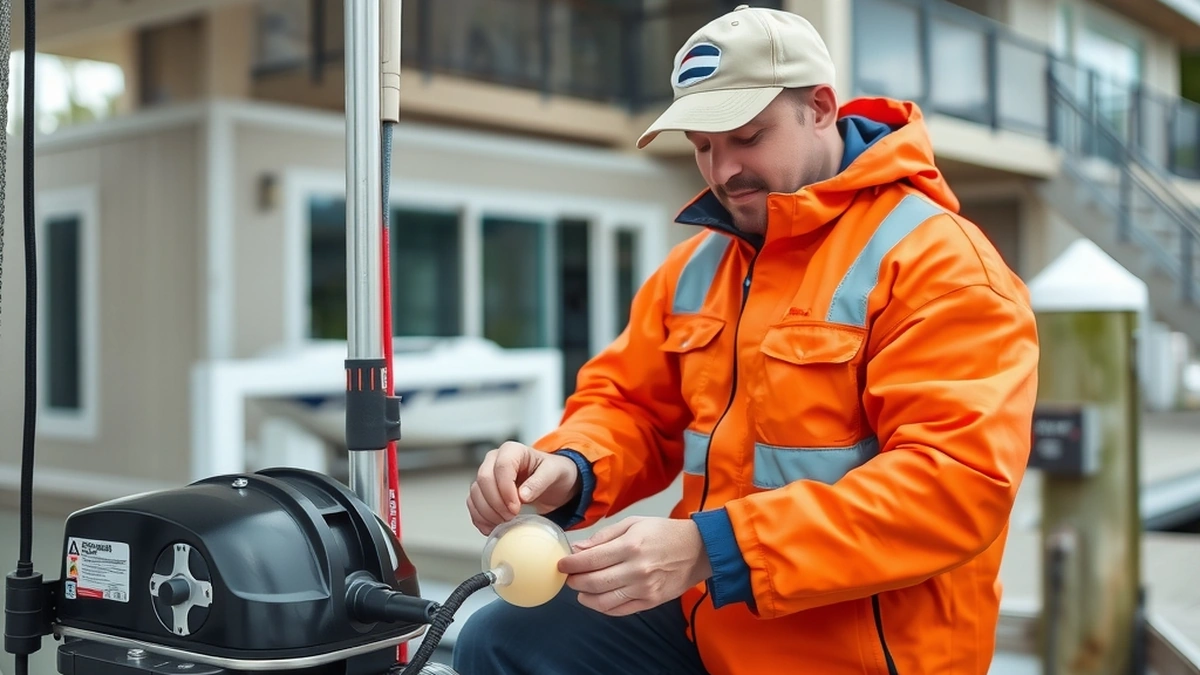
Inspect anodes at least once per season. Replace them when they are about 50 percent consumed. Waiting until an anode disappears completely leaves the lift frame unprotected. Replacement anodes typically cost between $20 and $100 each depending on size and material, which is inexpensive compared to replacing a corroded cradle or frame.
If your lift operates in freshwater, confirm with a marine professional whether anodes are recommended. In some freshwater environments, aluminum anodes work better than zinc, while zinc may be ineffective or unnecessary.
Apply and Maintain Protective Coatings
Paint and coatings create a physical barrier between metal and water. Marine-grade enamel or epoxy systems are standard for lift frames, but they only work if the surface underneath is clean and sound. Painting over rust seals moisture against the metal and causes the coating to peel within months.
Before coating, remove all rust and loose material with a wire brush, grinder, or blasting equipment. Clean the surface with a degreaser, rinse with fresh water, and let it dry completely. Apply a primer formulated for the base metal, then a topcoat rated for marine use. Touch up chips and scratches immediately, especially around welds, bolt heads, and cable wear points.
Coatings are not permanent. Sunlight, boat hull contact, and dock abrasion wear them down. Recoat exposed areas every few years as an estimate, sooner if you see flaking or rust bloom.
Rinse Saltwater Residue Regularly
Salt does not disappear when the tide goes out. It crystallizes on lift beams, cables, and cradles and continues to draw moisture from the air. That moisture keeps corrosion active even when the boat is stored on the lift.
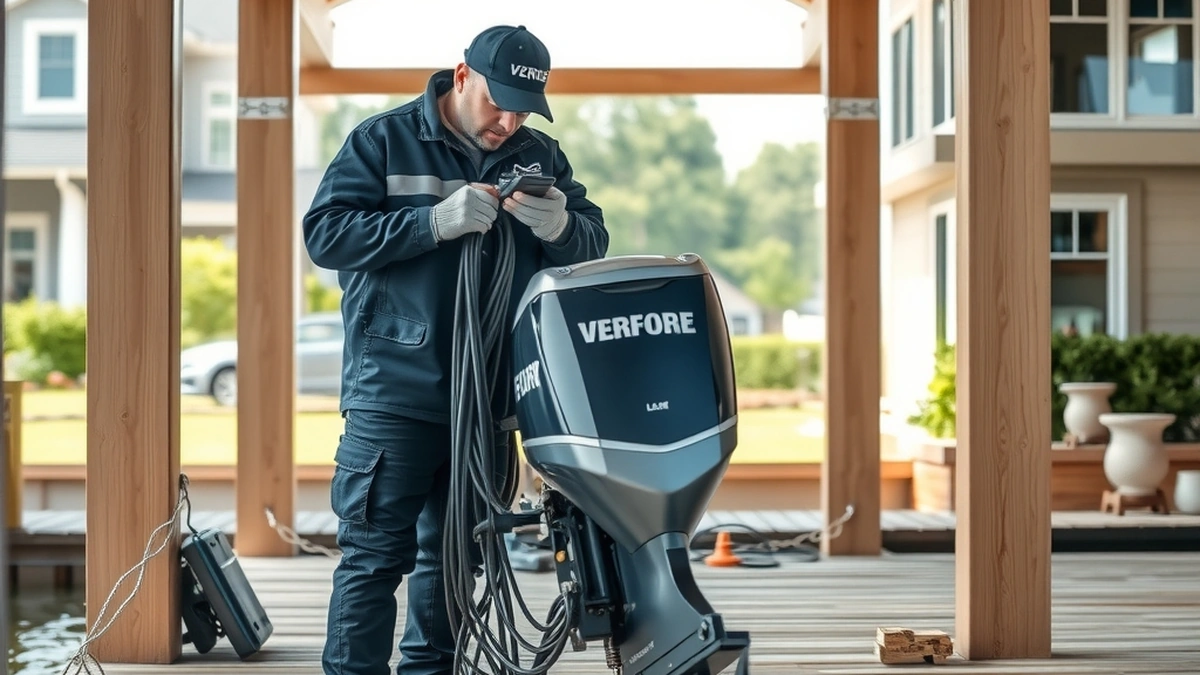
Rinse the lift with fresh water after saltwater exposure. Focus on cable sheaves, pulleys, motor mounts, and fasteners where salt collects. A simple hose-down takes minutes and can extend the life of galvanized steel and coated aluminum by years. If you have a freshwater flush system for the lift motor or drive, use it according to the manufacturer’s schedule.
Inspect Cables, Pulleys, and Welds
Corrosion does not always look like surface rust. Wire cables can corrode internally while appearing clean on the outside. Pulleys can seize, and welds can develop hairline cracks that trap saltwater and rot from within.
Check cables for broken wires, discoloration, and stiffness. A corroded cable loses strength and can fail under load. For example, a 4,000-pound cradle lift rated for a boat, fuel, and gear totaling 3,500 pounds should not rely on a cable showing rust or broken strands. Replacement cables and hardware are far cheaper than a dropped boat or a damaged hull.
Inspect welds on the frame and cradle for cracks or discoloration. If a weld looks porous or rusted through, stop using the lift and contact a repair professional. You can review typical lift pricing and repair considerations at /boat-lift-repair/ and /how-much-does-boat-lift-cost/.
Watch for Galvanic Corrosion at Connections
Galvanic corrosion often starts where metals join. A stainless steel bolt through an aluminum cradle, a steel bunk on an aluminum frame, or a copper wire connected to a steel motor mount can all create a galvanic cell. The less noble metal corrodes first, often unseen beneath the fastener head or inside a joint.
Use dielectric isolators such as plastic sleeves or rubber gaskets between dissimilar metals. Apply marine-grade anti-corrosion compound to electrical connections and bolt threads. If you notice white powder around aluminum fasteners or rust streaks beneath stainless bolts, separate the metals and clean the area before reassembling.
Budget for Prevention and Replacement
Preventing corrosion costs far less than replacing structural lift components. Sacrificial anodes, touch-up paint, and isolation materials might run a few hundred dollars per year as an estimate. Replacing a corroded cradle, frame section, or cable system can cost thousands.
For context, a new 4,000-pound cradle lift typically ranges from $5,000 to $12,000, while a 10,000-pound elevator lift ranges from $12,000 to $25,000. Hydraulic lifts range from $15,000 to $35,000, and PWC lifts range from $1,500 to $5,000. Installation typically adds $1,000 to $3,000. Dock construction, if needed, ranges from $15,000 to $60,000. These figures are estimates and vary by region, dealer, and site conditions.
If your lift already shows advanced corrosion, compare the cost of repairs against replacement. A professional inspection can determine whether the frame is still sound. For installation guidance, see /boat-lift-installation/, and for ongoing care, see /boat-lift-maintenance/.
Build a Seasonal Maintenance Routine
Corrosion prevention works best as a habit, not a one-time project. Create a simple checklist for each season:
- Rinse the entire lift with fresh water after saltwater use.
- Inspect anodes and replace if half consumed.
- Touch up paint on chips, scratches, and rust spots.
- Check cables, pulleys, and welds for wear or corrosion.
- Tighten bolts and confirm isolators are still in place.
- Inspect electrical connections for green or white corrosion.
If you keep this routine, your lift can last well beyond its warranty period. Neglect it, and even a new lift can develop structural corrosion in a few seasons.
Corrosion is manageable when you treat it as a maintenance issue rather than an inevitable outcome. Match your metals, use anodes, maintain coatings, rinse saltwater, and inspect regularly. Your lift, your boat, and your budget will all benefit.
Boat Lift Lab is an independent US guide to boat lifts and docks. We prioritize capacity and water depth over brand names. All cost figures are estimates; confirm pricing with local dealers and installers.
Next, compare how much does boat lift cost, boat lift installation, boat lift repair before you commit.
Frequently asked questions
What causes corrosion on boat lifts?
Corrosion happens when metal reacts with oxygen and moisture, especially in saltwater. Dissimilar metals touching each other create galvanic corrosion, which eats through lift frames and fasteners faster than uniform rust.
How often should I inspect my lift for corrosion?
Inspect your boat lift at least once per season and after major storms. Check welds, bolts, cables, and anodes for white or green powder, pitting, and flaking paint so you can fix small issues before they become structural failures.
Do sacrificial anodes really work?
Yes. Sacrificial anodes made of zinc, aluminum, or magnesium corrode instead of your lift’s steel or aluminum frame. They must be replaced when about half consumed, typically every one to three years depending on water conditions.
Can I paint over rust on my boat lift?
No. Paint over loose rust will peel and trap moisture underneath. Remove all rust with a wire brush or grinder, clean the surface, apply a marine primer, then finish with a marine-grade topcoat designed for your metal type.
Which metals resist corrosion best?
Marine-grade aluminum, stainless steel such as 316L, and hot-dip galvanized steel resist corrosion better than carbon steel. Avoid mixing stainless and aluminum directly without isolation, or galvanic corrosion will accelerate at the joint.
Should I rinse my lift after saltwater use?
Yes. Rinse the lift, cradle, and hardware with fresh water after saltwater exposure. Salt residue continues to draw moisture and drive corrosion even when the boat is out of the water, so regular rinsing extends component life.
Sources
Some links are affiliate links.If you buy through them we may earn a commission at no extra cost to you. We do not accept payment for rankings. Read the full disclosure.