Capacity Exceeded: Warning Signs on Your Boat Lift
Recognize the signs your boat lift is overloaded before cables, cradles, or motors fail, and learn what overload can cost to repair.
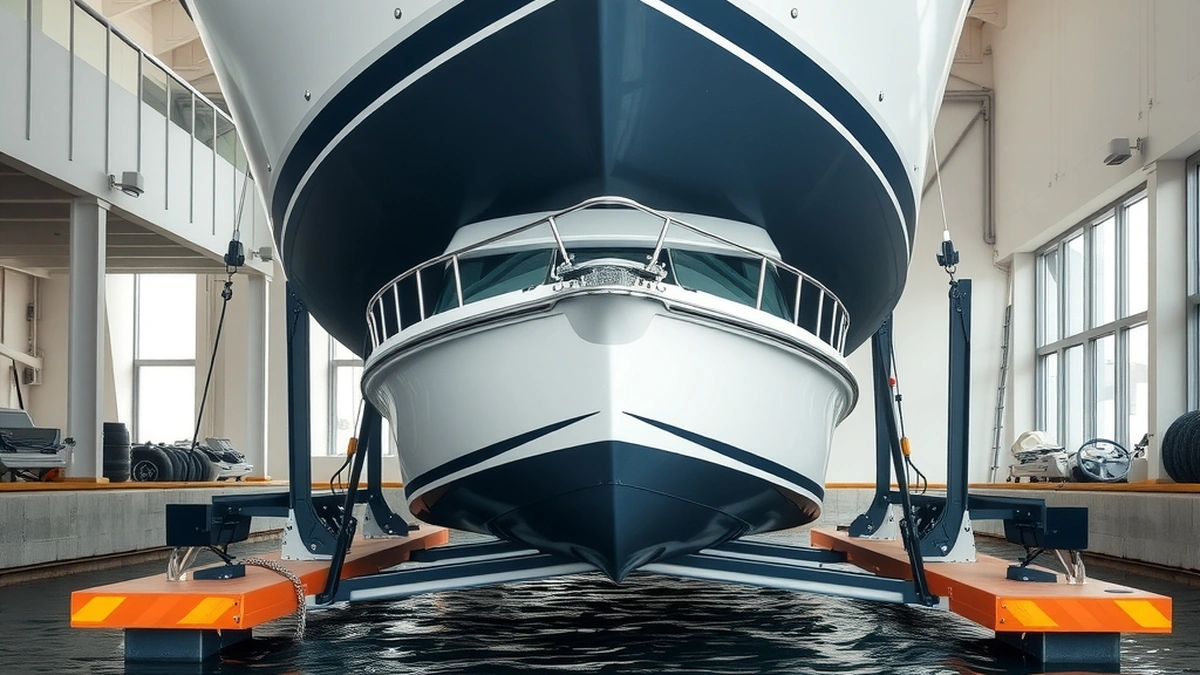
If your lift strains, chatters, or sits unevenly under your boat, you have likely exceeded its rated capacity. Stop using it immediately and reduce the load to avoid cable failure or structural collapse.
- Most common first sign
- Slow or uneven lifting speed
- Immediate action
- Lower the boat and remove weight
- Typical repair range
- $1,000–$3,000 for installation-related fixes
- 4,000 lb cradle lift cost
- $5,000–$12,000
Some links on this page are affiliate links.If you buy through them we may earn a commission at no extra cost to you. We do not accept payment for rankings. Read the full disclosure.
A boat lift that exceeds its rated capacity usually tells you before it breaks. Slow lifting, uneven cradle height, and unusual motor noise are early warnings that the load is too high. Continuing to run an overloaded lift risks snapped cables, bent cradles, and a boat dropping into the water or onto the dock.
What Capacity Exceeded Means
Every boat lift has a rated capacity, which is the maximum weight it can safely raise and hold. That rating includes the boat, fuel, water in tanks, gear, and any people standing on the platform or swim deck. A 4,000 lb cradle lift typically costs $5,000–$12,000, but exceeding its limit can turn that investment into a total loss if the structure fails.
Capacity is not a suggestion. It is an engineering limit based on cable strength, motor torque, cradle design, and piling or dock support. When you go over it, every component works harder than it was designed to, and wear accelerates across the entire system.
Early Warning Signs to Watch For
The first sign of overload is often performance. If a lift that used to raise your boat in 60 seconds now takes 90 seconds or more, the motor may be straining against excess weight. Hydraulic lifts in the $15,000–$35,000 range can mask strain longer than cable-driven models, but they still show symptoms.
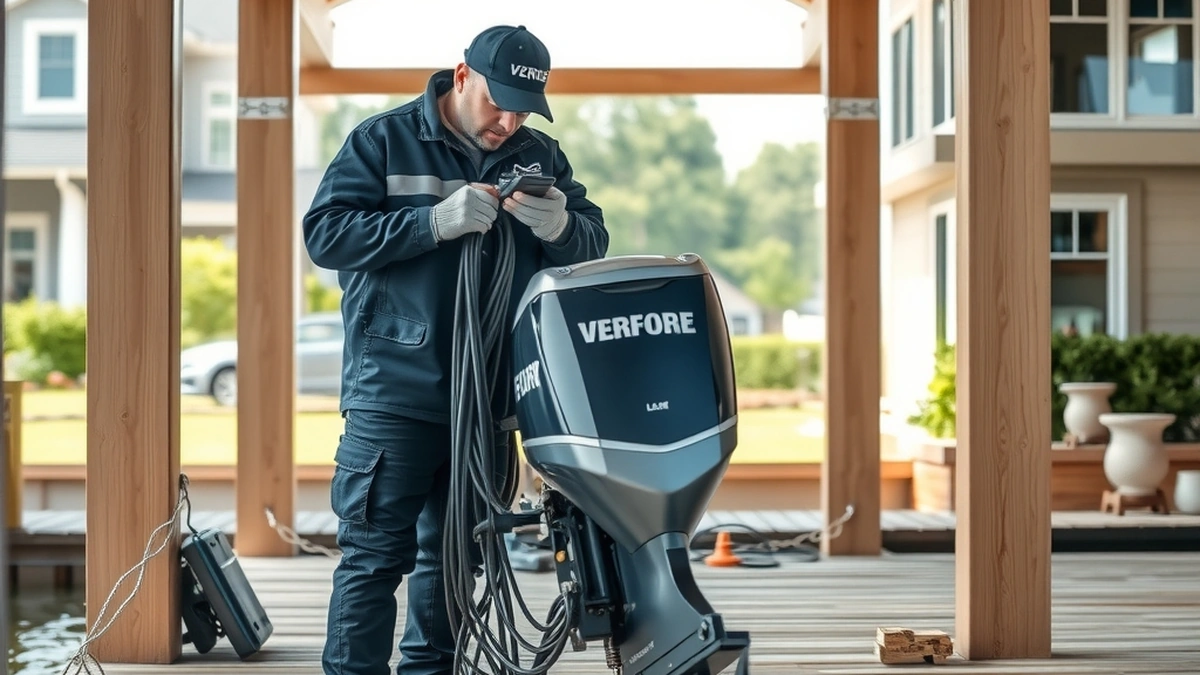
Listen for changes in sound. A motor that whines, chatters, or labors during lift cycles is working beyond its comfortable range. Electric elevator lifts rated around 10,000 lb typically cost $12,000–$25,000, and replacing a burned-out motor on one of those units is a significant expense.
Watch the cradle as it rises. If one side sits higher than the other, or if the boat tilts in the slings, the weight distribution is wrong or the total load exceeds what the frame can keep level. PWC lifts cost $1,500–$5,000, but even small lifts can bend or twist when overloaded.
Inspect cables after each use. Fraying, kinking, or visible wear near the winch drum means the cable is under more tension than it should carry. Cables do not fail without warning most of the time, but the warning is easy to miss if you are not looking for it.
Physical Signs on the Lift Structure
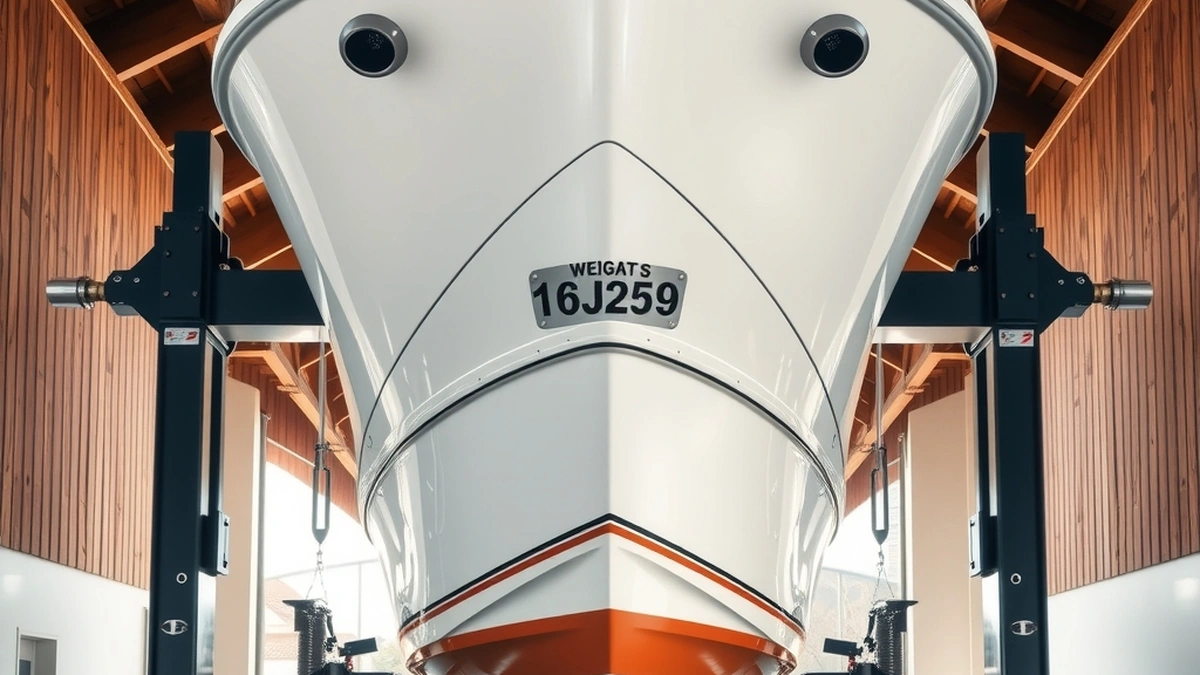
Look at the cradle beams and bunks. Paint cracks, metal deformation, or bolts that have loosened indicate the frame is flexing under load. Aluminum cradles can show stress cracks near welds, while steel frames may bend permanently if overloaded repeatedly.
Check the pilings or dock mount. If the lift shifts, sinks lower into the water, or pulls away from the dock when loaded, the support structure cannot handle the combined weight of lift and boat. Dock construction runs $15,000–$60,000, and a failed lift can damage the dock it is attached to.
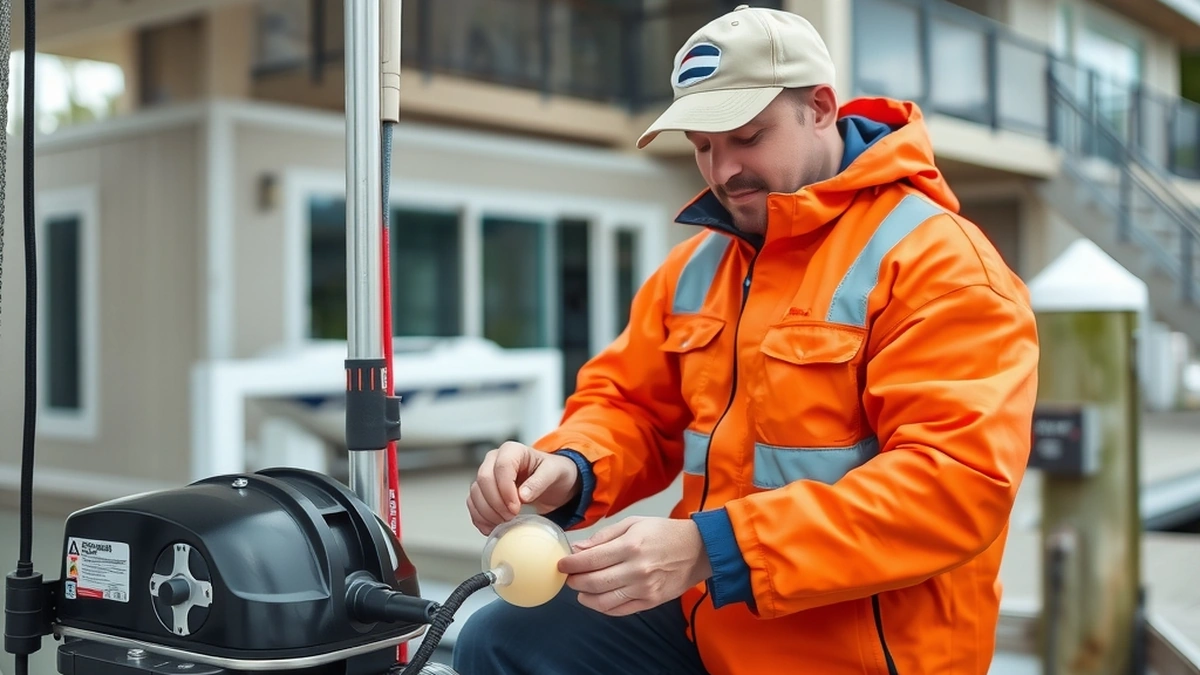
Oil or hydraulic fluid leaks around cylinders and hoses suggest seals are under excess pressure. On hydraulic lifts, a slow leak today can become a sudden drop tomorrow.
What to Do When You Spot the Signs
Stop using the lift immediately. Lower the boat onto the cradle or into the water if it is safe to do so, then remove fuel, gear, and water to reduce weight. Do not attempt to lift the boat again until you have confirmed the total weight.
Weigh the boat properly. Manufacturer dry weight does not include fuel, water, batteries, coolers, or wakeboard towers. A boat listed at 3,800 lb dry can easily exceed 4,500 lb when ready for a day on the water. If your lift is rated at 4,000 lb, that boat is already over capacity before you add a single passenger.
Calculate the real load. Add dry weight, fuel at roughly 6 pounds per gallon, water at roughly 8.3 pounds per gallon, and gear. A 60-gallon fuel tank adds about 360 pounds. A 40-gallon freshwater tank adds about 332 pounds. Together, that is nearly 700 pounds before you count people, skis, or a cooler.
If your boat regularly exceeds the lift rating, you need a larger lift, not a stronger cable. Replacing a 4,000 lb cradle lift with a properly sized unit costs $5,000–$12,000 for the equipment, plus $1,000–$3,000 for installation. That is cheaper than replacing a boat, a dock, or dealing with an injury.
Repair Costs and Risk
Continuing to operate an overloaded lift usually ends in repair. Cable replacement, cradle straightening, motor replacement, and hydraulic seal work fall under boat lift repair. Labor and parts vary by lift type and local rates, but installation alone typically runs $1,000–$3,000 when a new lift is being set up.
A snapped cable under load can drop a boat onto the dock, the bottom, or into the water at an angle that causes hull damage. There is also a safety risk to anyone standing nearby. OSHA and NACHI resources emphasize load limits and regular inspection for lifting equipment, and those principles apply to residential boat lifts as well.
Routine maintenance extends life, but it does not raise capacity. Greasing cables, checking bolt torque, and inspecting welds should happen on a schedule, but none of those tasks make a 4,000 lb lift safe for a 5,000 lb boat.
Choosing the Right Replacement
When sizing a new lift, start with capacity and water depth, then look at brand and features. Measure the heaviest your boat will ever be, not the lightest. Add a margin for gear and passengers. If your fully loaded boat weighs 4,200 lb, a 4,000 lb lift is too small. A 5,000 lb or 6,000 lb cradle lift gives you room to operate without running at the limit every time.
Consider your water conditions. Tidal changes, fluctuating lake levels, and wave action affect how deep the cradle sits and how much strain the cables endure during launch and retrieval. A lift that works in calm water may struggle in choppy conditions even if the weight is technically under the limit.
Review your dock setup before buying. The lift must attach securely to pilings or a dock that can handle the combined static and dynamic load. Dock construction costs $15,000–$60,000 depending on size and materials, so the support structure matters as much as the lift itself.
Prevention Is Cheaper Than Replacement
The best way to avoid capacity problems is to know your numbers before you launch. Weigh the boat on a trailer scale if you are unsure, or use a certified scale at a marina. Keep a log of lift performance so you notice slowing speeds or unusual sounds early.
Schedule seasonal inspections. Check cables for broken strands, inspect cradle pads for wear, and test limit switches if your lift has them. Boat lift maintenance is a small recurring cost compared to the price of a new lift or a damaged hull.
If you already see warning signs, treat them as urgent. An overloaded lift rarely fails at a convenient time, and the cost of a new cable or motor is always less than the cost of a sunken boat.
Learn more about lift pricing Read about installation requirements Find repair options near you
Frequently asked questions
What is the most important measurement?
Start with the ceiling or clearance number; it decides which systems can fit.
What does a typical project cost?
Costs vary by system and site access; the guide shows the line items and a planning range.
Can I install this myself?
Some tasks are DIY-friendly, but structural, electrical, and load-bearing work should be done by a licensed professional.
How long does installation take?
A simple setup is a weekend; a full build with electrical or structural work can take several weeks.
What should I check before buying?
Confirm dimensions, load ratings, and the manufacturer's installation requirements for your exact model.
Where can I find local help?
Ask a licensed contractor or installer who has worked with the same system and can inspect your site.
Sources
Some links are affiliate links.If you buy through them we may earn a commission at no extra cost to you. We do not accept payment for rankings. Read the full disclosure.