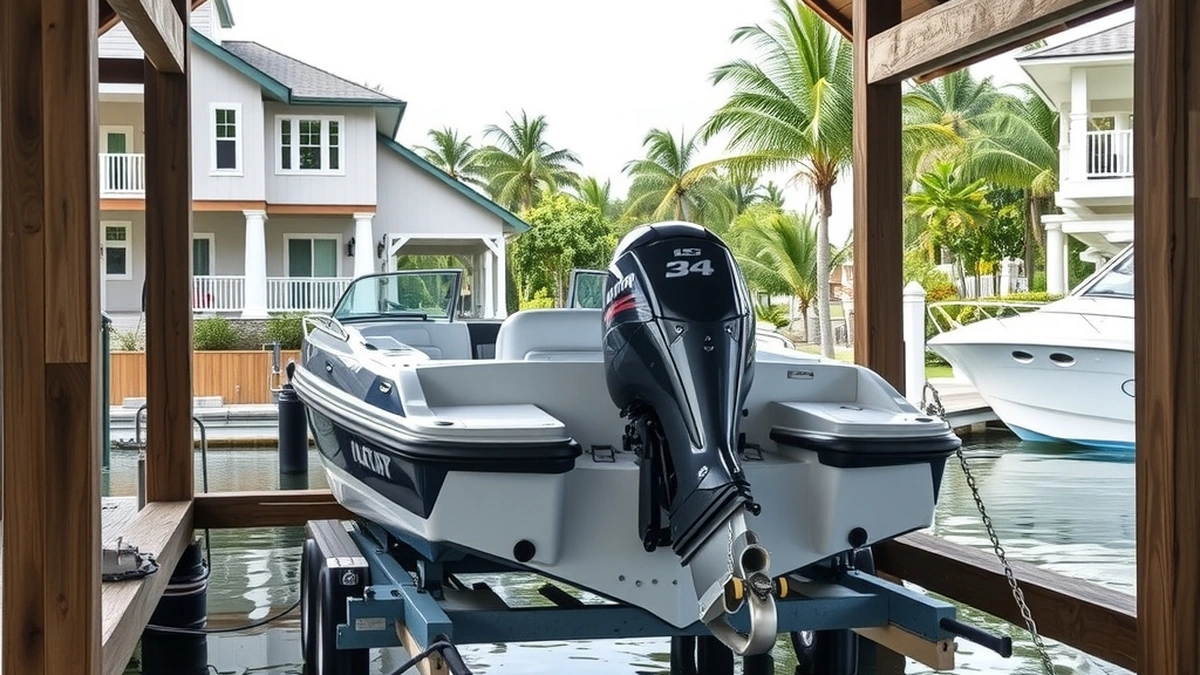
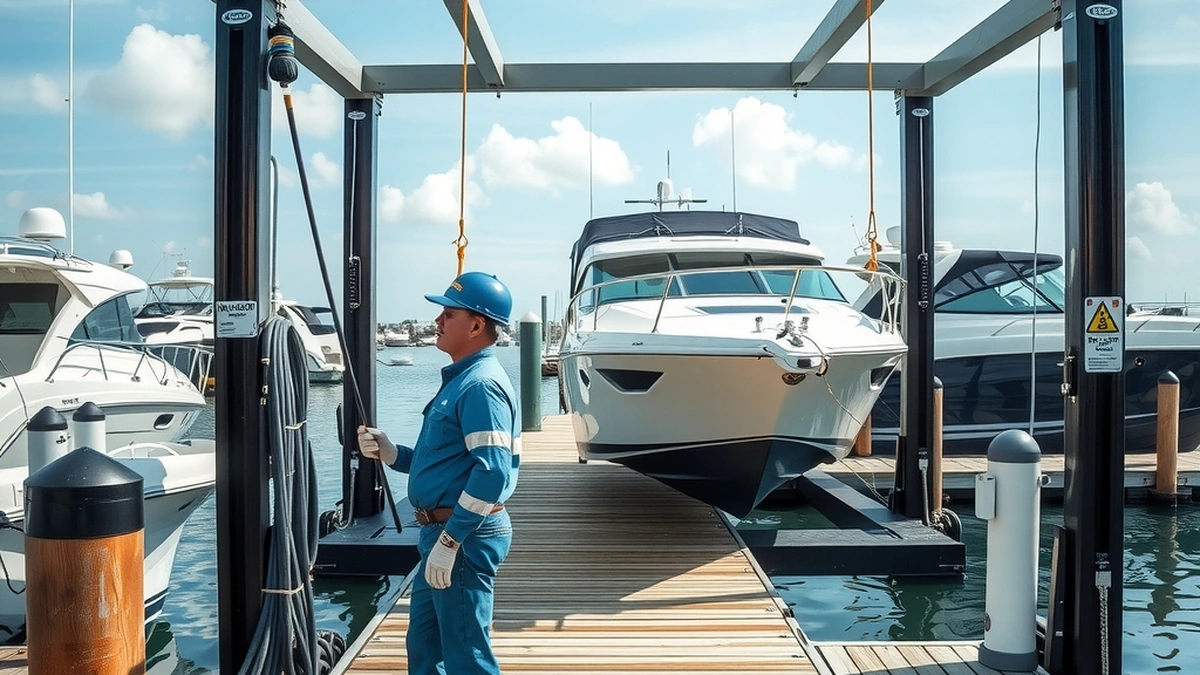
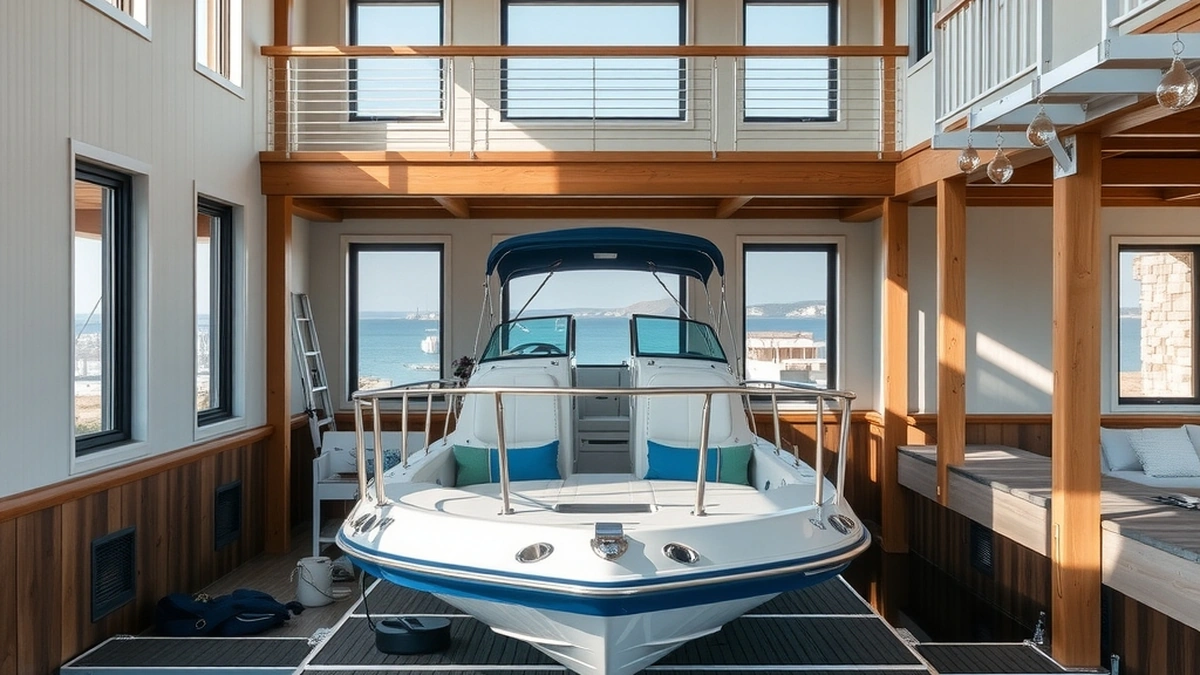
Elevator Lift Installation: Costs, Steps, and Requirements
What to expect from elevator lift installation, including capacity, water depth, costs, and permitting for residential docks.
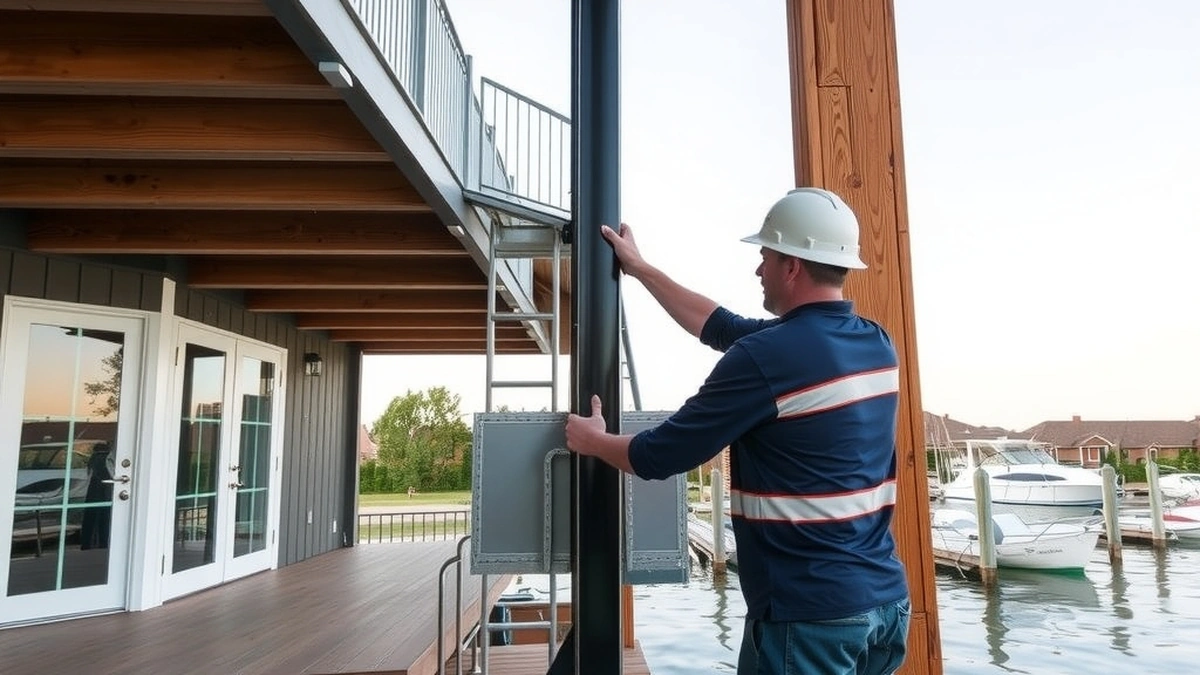
Elevator lift installation typically costs $1,000–$3,000 for labor, with a 10,000 lb elevator lift unit priced at $12,000–$25,000, and requires adequate water depth, dock structure, and often local permits.
- Typical unit cost (10,000 lb elevator lift)
- $12,000–$25,000
- Typical installation labor
- $1,000–$3,000
- Key sizing factors
- Boat weight, hull length, water depth
- Common permit need
- Dock or waterfront construction approval
Some links on this page are affiliate links.If you buy through them we may earn a commission at no extra cost to you. We do not accept payment for rankings. Read the full disclosure.
Elevator lift installation moves a boat vertically between the water and a dock or storage level using a guided platform rather than a sling or cradle. The process starts with matching lift capacity to boat weight and confirming that water depth allows the boat to float onto the platform at low water. Capacity and water depth come first; brand selection comes second.
A 10,000 lb elevator lift unit typically costs $12,000–$25,000, and professional installation labor adds roughly $1,000–$3,000. For comparison, a 4,000 lb cradle lift runs about $5,000–$12,000, while a full hydraulic lift system can reach $15,000–$35,000. These figures are estimates and vary by region, dock conditions, and electrical requirements.
1. Size the Lift to the Boat
Start with the boat’s fully loaded weight, including fuel, water, gear, and any hardtop or tower. A lift rated for exactly the boat’s dry weight leaves no margin, so most installers recommend sizing at least 20 percent above the maximum loaded weight.
For example, if a boat weighs 8,000 pounds loaded, a 10,000 lb elevator lift provides a 2,000 pound safety margin. If the loaded weight is 9,500 pounds, the same 10,000 lb lift leaves only 500 pounds, which is too tight for safe operation.
Also measure hull length, beam, and draft. The lift platform must be wide enough for the beam and long enough to support the hull without overhang. Draft determines how much water depth is needed to float the boat onto the lift.
2. Check Water Depth and Dock Structure
Water depth is the second hard constraint. The elevator lift’s bottom frame and platform must sit deep enough that the boat can float over it at the lowest expected water level. If the water drops below the lift’s entry depth, the boat cannot board or exit without scraping.
Dock structure matters just as much. Elevator lifts are heavy, especially when loaded with a boat. The dock pilings, frame, and decking must support both the lift’s dead load and the boat’s weight. A 10,000 lb boat plus lift hardware can impose 12,000 pounds or more on the dock, so a structural review is wise before ordering equipment.
3. Review Permits and Regulations
Many waterfront jurisdictions require a permit for dock modifications, electrical work, or shoreline structures. Installing an elevator lift often triggers one or more of these. Electrical connections for the lift motor usually need a licensed electrician and may require inspection.
Contact the local building department or marine commission before purchasing. Skipping permits can lead to fines, forced removal, or problems when selling the property. Environmental rules may also apply if the work disturbs lakebed or shoreline areas.
4. Prepare the Site and Electrical
Installation begins with site preparation. The dock area needs clear access for the lift components and room for the vertical travel path. If the lift mounts to pilings, the pilings must be plumb and capable of handling the load.
Electrical service must reach the lift location. Most elevator lifts use a 120V or 240V motor, depending on capacity and manufacturer specifications. A dedicated circuit and GFCI protection are typical requirements. Conduit should be rated for wet or damp locations, and all connections should follow local electrical codes.
5. Assemble and Mount the Lift
The lift frame, platform, guide posts, and drive unit are assembled on the dock or in the water, depending on the design and water depth. Guide posts keep the platform level as it rises and falls. The drive unit—hydraulic or electric—is mounted according to the manufacturer’s layout.
Mounting hardware is secured to the dock or pilings, and the platform is test-cycled without a boat to confirm smooth travel and proper alignment. Any binding, uneven lifting, or unusual noise should be corrected before the first boat is loaded.
6. Test With the Boat
Once mechanical and electrical checks pass, float the boat onto the platform at normal water depth. Center the boat fore and aft and port to starboard so the weight distributes evenly across the cradle or platform. Raise the lift slowly and watch for sway, tilt, or strain on the dock structure.
Lower the boat back into the water and repeat the cycle. Confirm that the boat clears the dock edge at full height and that it floats off easily at the lowest water level. If anything feels off, stop and consult the installer or manufacturer.
7. Budget for the Full Project
Total project cost includes more than the lift itself. A realistic budget for a 10,000 lb elevator lift looks like this:
- Lift unit: $12,000–$25,000
- Professional installation: $1,000–$3,000
- Electrical work: variable, often several hundred to over a thousand dollars
- Permits: variable by municipality
- Dock reinforcement, if needed: variable
Dock construction, if the existing dock is not suitable, can run $15,000–$60,000. These are estimates, and actual quotes depend on site conditions, local labor rates, and equipment choices.
For context on other lift types, a PWC lift costs roughly $1,500–$5,000, while a full hydraulic lift system can reach $15,000–$35,000. If you are weighing a lift against fixed dock storage, see our overview of boat lift vs boat dock. If you are exploring broader pricing, our boat lift cost guide breaks down common models, and our installation page covers what to expect from professional service.
8. Plan for Ongoing Care
After installation, schedule regular inspections of cables, sheaves, hydraulic lines, and electrical connections. Rinse saltwater residue after use in marine environments, and check for corrosion on mounting hardware. Lubricate moving parts as recommended, and test the lift periodically without a boat to catch issues early.
If problems develop, such as uneven lifting or motor faults, address them promptly. Delayed repairs can damage the boat or the dock. For more on upkeep, see our boat lift maintenance guide, and if a lift needs service, our boat lift repair page covers common issues.
Elevator lift installation succeeds when capacity and water depth are confirmed first, the dock can handle the load, and permits are secured before work begins. Treat the project as a structural and electrical installation, not just a product purchase, and the lift should provide years of reliable service.
Next, compare how much does boat lift cost, boat lift installation, boat lift repair before you commit.
Frequently asked questions
What is an elevator boat lift?
An elevator boat lift raises a boat vertically between the water and a dock or storage level using a hydraulic or electric drive system rather than a cradle.
How much does elevator lift installation cost?
Professional installation labor generally runs $1,000–$3,000, while the lift unit itself for a 10,000 lb capacity model costs about $12,000–$25,000.
Do I need a permit for installation?
Many municipalities require dock, shoreline, or electrical permits before installing a boat lift, so check local regulations before starting work.
What water depth do I need?
Required depth depends on the lift model and boat draft, but the unit must sit low enough to float the boat onto it at low tide or low water.
Can I install it myself?
DIY installation is possible for experienced owners, but electrical wiring, piling mounts, and heavy lifting often justify hiring a professional.
How does it compare to a cradle lift?
A 4,000 lb cradle lift costs roughly $5,000–$12,000, while a 10,000 lb elevator lift costs about $12,000–$25,000, reflecting higher capacity and complexity.
Sources
Some links are affiliate links.If you buy through them we may earn a commission at no extra cost to you. We do not accept payment for rankings. Read the full disclosure.